Eco-Friendly Label Materials: How Brands Can Reduce Packaging Waste Without Losing Security
As sustainability becomes a priority across industries, brands are under increasing pressure to reduce packaging waste—without compromising product safety or authenticity. One critical yet often overlooked element of packaging is labels. From food and FMCG to pharma and cosmetics, labels play a vital role in compliance, branding, and anti-counterfeiting. The good news? Eco-friendly label materials can now deliver sustainability while supporting advanced security, authentication, and brand aesthetics.
Why Eco-Friendly Security Labels Matter for Modern Brands
Sustainability has evolved from a branding choice into a business and compliance imperative across global packaging ecosystems. For regulated and premium industries like pharmaceuticals, FMCG, and luxury goods, labels must meet strict standards for authentication, traceability, and tamper evidence, while also enhancing aesthetics and supporting environmental goals.
Traditional plastic-based labels and non-recyclable adhesives contribute significantly to packaging waste. Today, eco-friendly label materials combined with advanced security printing allow brands to reduce environmental impact without compromising product protection.
Sustainable Label Materials Suitable for Secure Packaging
Brands can now choose from multiple eco-friendly label substrates designed for high-security applications:
● Recycled paper security labels made from post-consumer waste
● FSC-certified paper labels for sustainable sourcing
● Biodegradable and compostable label films
● Wash-off labels that improve bottle and container recyclability
● Linerless labels to reduce material and transport waste
These materials are compatible with both overt and covert security features, including holographic and optically variable elements, making them ideal for B2B packaging applications.
Advanced Authentication Features That Work with Eco-Friendly Labels
Contrary to common assumptions, sustainable labels do not weaken anti-counterfeiting measures. Advanced security printing technologies can be embedded directly into eco-friendly materials, including:
● Tamper-evident constructions (VOID, destructible, peel-off layers)
● Microtext and guilloche patterns
● Hidden images and covert authentication features
● QR codes, serialization, and smart track-and-trace systems enabling phygital authentication
● Anti-photocopy and fine-line printing techniques
These features ensure product authentication, supply chain security, and consumer trust.
Balancing Sustainability and Brand Protection
The key is custom engineering. By choosing the right substrate, adhesive, and security features, brands can achieve a perfect balance between environmental responsibility and product protection. Digital and low-waste printing methods further reduce ink usage, emissions, and setup waste.
Benefits for Brands and Consumers
Switching to eco-friendly secure labels offers multiple advantages:
● Reduced packaging waste and carbon footprint
● Compliance with global sustainability regulations
● Stronger brand perception among eco-conscious consumers
● Continued protection against fraud and counterfeiting
Consumers today actively support brands that demonstrate genuine sustainability efforts—without sacrificing safety or quality.
The Future of Secure & Sustainable Labels
As regulations tighten and awareness grows, eco-friendly security labels will no longer be optional—they’ll be standard. Brands that invest early in sustainable labeling solutions position themselves as responsible, future-ready, and trustworthy.
Sustainability and security don’t have to compete. With the right eco-friendly label materials and intelligent design, brands can protect their products, enhance shelf appeal, and safeguard the planet.
Frequently Asked Questions (FAQs)
What are eco-friendly label materials?
Eco-friendly label materials are made using recycled, biodegradable, compostable, or sustainably sourced substrates. These materials help reduce environmental impact while maintaining durability, print quality, and regulatory compliance.
Can eco-friendly labels provide security against counterfeiting?
Yes. Sustainable labels can integrate advanced security features such as microtext, tamper-evident designs, hidden images, serialized QR codes, and covert markers—ensuring strong protection against counterfeiting and fraud.
Are biodegradable labels suitable for pharma and FMCG products?
Yes. Many biodegradable and FSC-certified label materials are engineered to meet pharma and FMCG standards, including resistance to moisture, temperature changes, and handling, while supporting sustainability goals.
Do sustainable labels affect the recycling of packaging?
Eco-friendly labels often improve recyclability. Options like wash-off adhesives and linerless labels allow easier separation during recycling, reducing contamination and overall packaging waste.
Are eco-friendly security labels more expensive?
While initial costs may be slightly higher, eco-friendly security labels often reduce long-term expenses through waste reduction, regulatory compliance, and improved brand trust, offering strong ROI over time.
Latest Blogs
How QR Code Authentication and Hologram Labels Work Together to Combat Counterfeiting?
Oct 17, 2026
Anti-Counterfeit Labels for Packaging: How Indian FMCG Brands Prevent Product Duplication in 2026
Sep 28, 2026
Security Labels vs Hologram Labels: Which Anti-Counterfeit Solution Is Best for Indian Manufacturers?
Sep 18, 2026
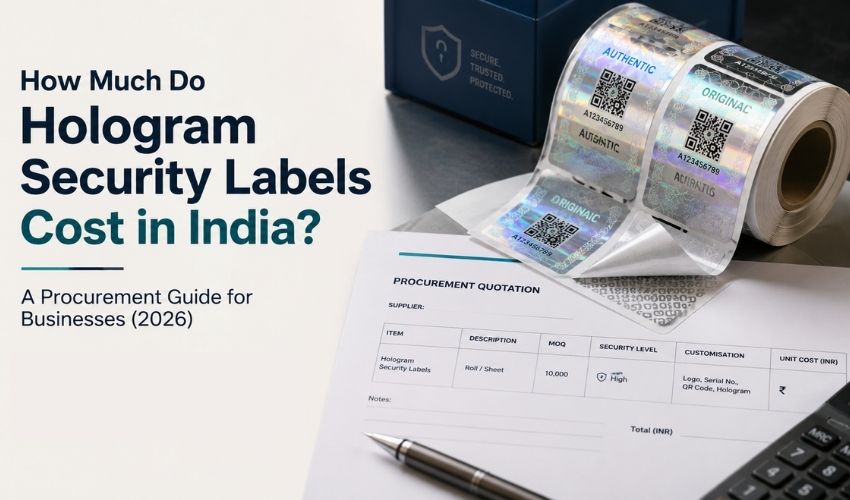
How Much Do Hologram Security Labels Cost in India? A Procurement Guide for Businesses (2026)
Aug 21, 2026
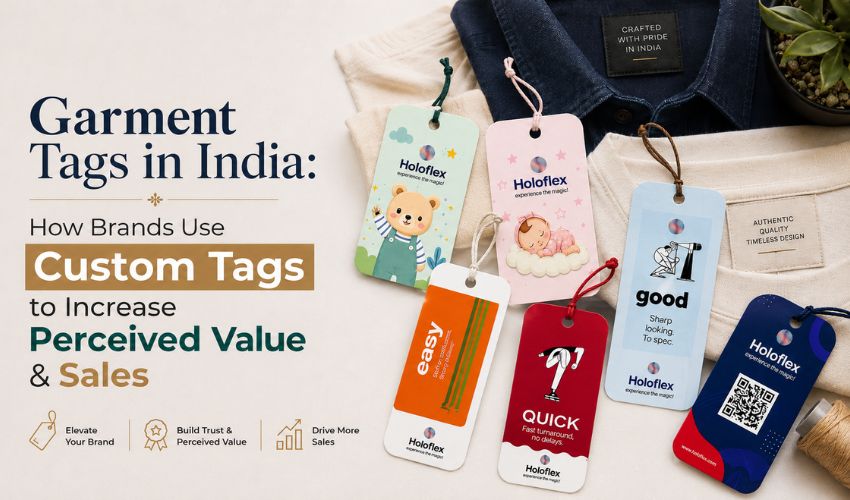
Garment Tags in India: How Brands Use Custom Tags to Increase Perceived Value & Sales
Jul 27, 2026
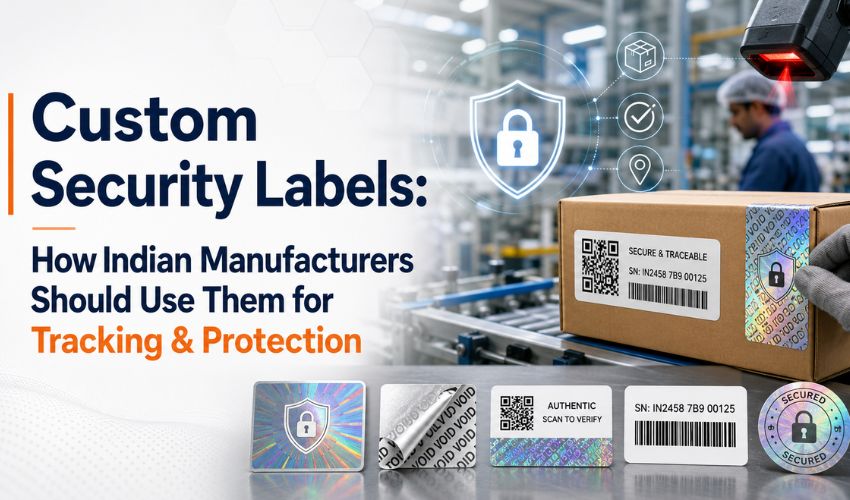
Custom Security Labels: How Indian Manufacturers Should Use Them for Tracking & Protection
Jul 16, 2026
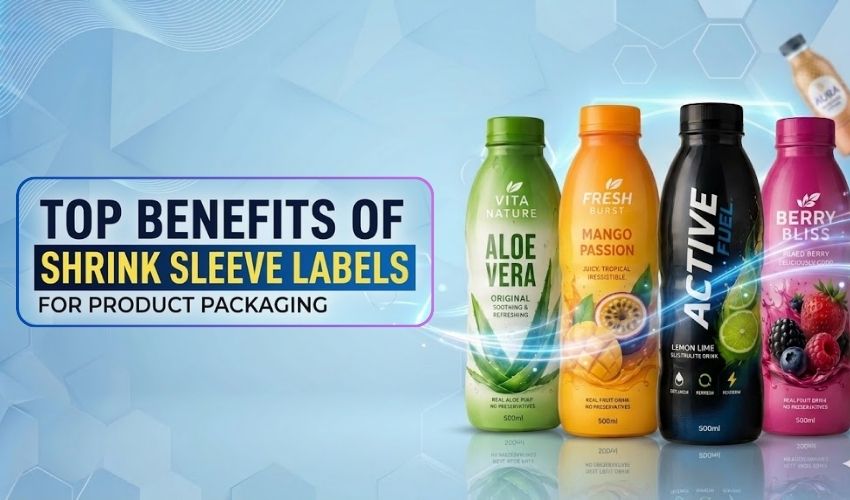
Top Benefits of Shrink Sleeve Labels for Product Packaging
Jun 29, 2026

Security Labels for Automotive Parts Manufacturers
Jun 23, 2026

The Evolution of Holographic Technology: From Visual Authentication to Advanced Optical Security
Jun 10, 2026
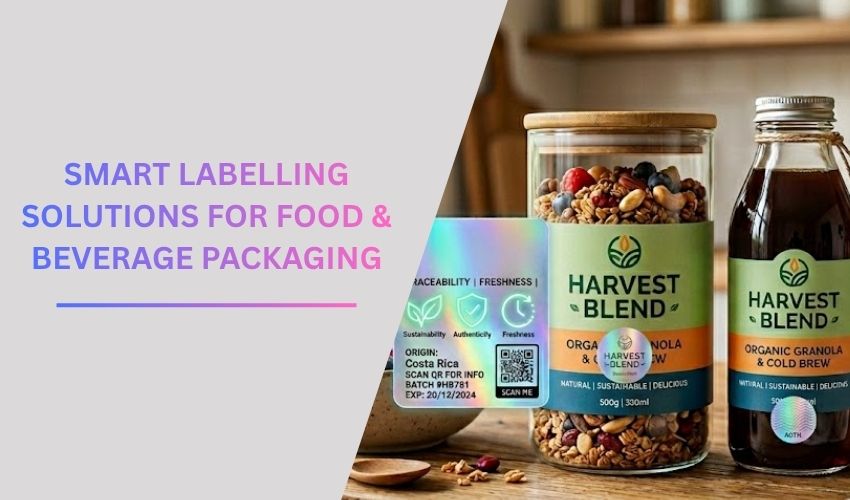
Smart Labelling Solutions For Food & Beverage Packaging
May 25, 2026
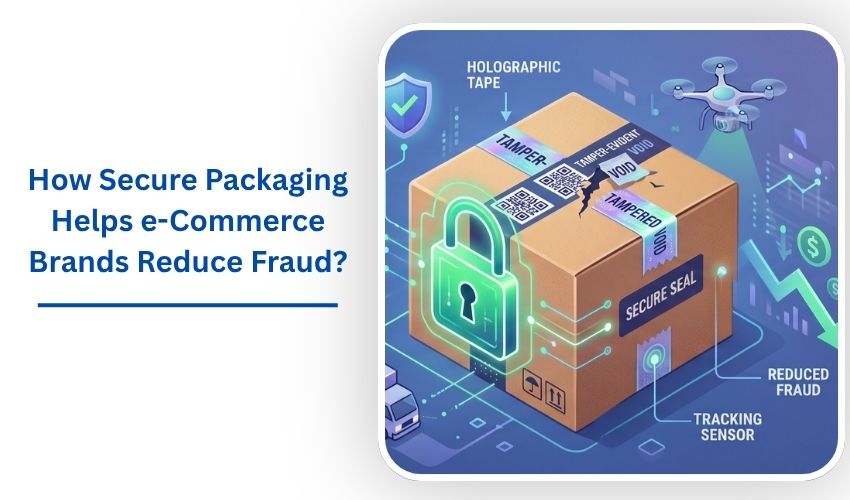
How Secure Packaging Helps E-Commerce Brands Reduce Fraud?
May 21, 2026

How Security Holograms Prevent Counterfeit Pharmaceuticals in India
Jul 16, 2025
Top 5 Custom Hologram Applications for FMCG Packaging
Jul 24, 2025
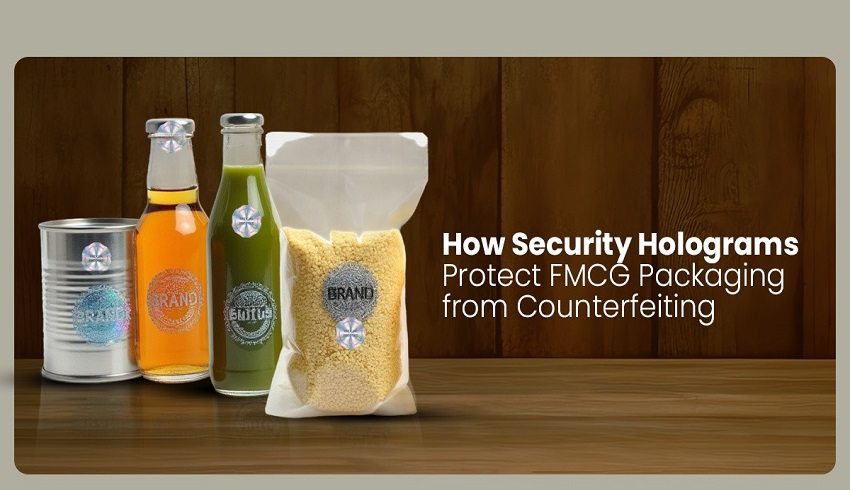
How Security Holograms Shield FMCG Packaging from the Rising Counterfeit Menace
Aug 16, 2025
Why Self-Adhesive Labels Are the Smarter Choice for Modern Packaging
Aug 21, 2025

Revolutionizing Brand Protection: Holographic Security Packaging with Integrated Phygital Solutions
Oct 23, 2025
Protecting Your Brand with Tamper-Evident Labels in India
Oct 30, 2025
OVDs vs Traditional Holograms: What Modern Brands Should Choose in 2026
Dec 19, 2025
Eco-Friendly Label Materials: How Brands Can Reduce Packaging Waste Without Losing Security
Jan 06, 2026

The Rise of OVD-Led Authentication - Where Design and Advanced Authentication Converge
Feb 12, 2026
When Security Becomes Design in the Evolution of Garment Tags?
Feb 24, 2026
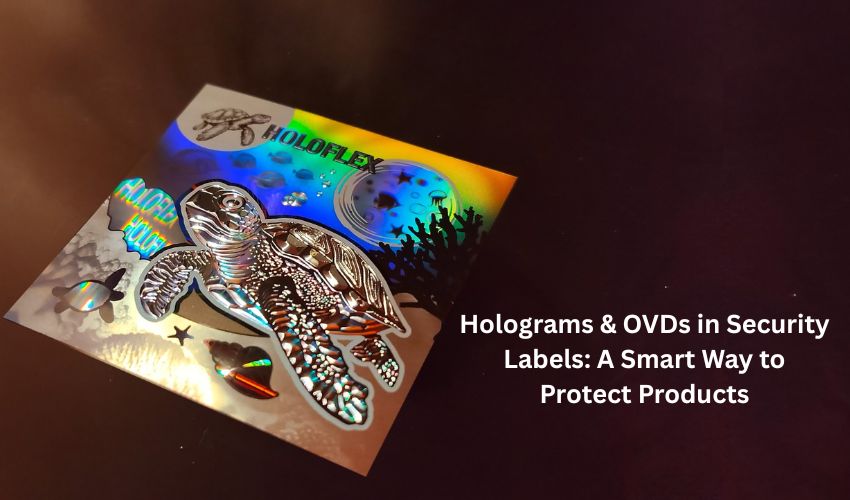
Holograms & OVDs in Security Labels and Stickers: A Smart Way to Protect Products
Mar 17, 2026
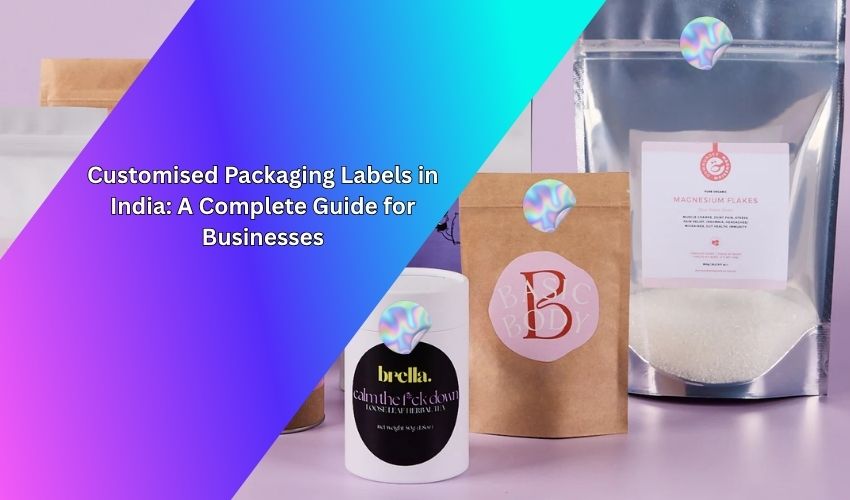
Customised Packaging Labels in India: A Complete Guide for Businesses
Mar 24, 2026

How Advanced OVD Technology is Transforming Hologram Security in 2026?
Apr 28, 2026