OVDs vs Traditional Holograms: What Modern Brands Should Choose in 2026
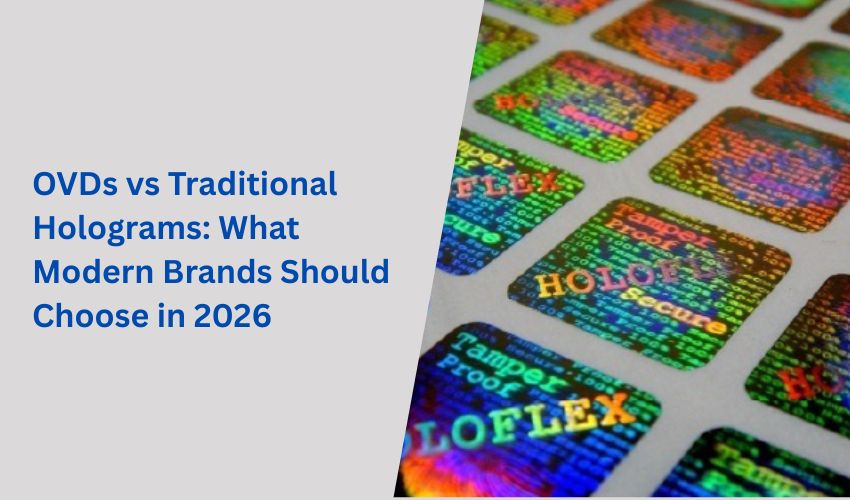
Why Packaging Security Matters in 2026?
Just Think: you enter a medical store, buy a cough syrup bottle, and naturally believe it to be authentic. But what if the packaging looks perfectly real—yet the product is fake?
In 2026, this concern is not just hypothetical. Counterfeiting is rising across multiple sectors—from pharma and FMCG to automotive, electronics, and even fashion. Fake products are becoming harder to detect as counterfeiters replicate packaging with alarming accuracy.
Counterfeiting is not just a threat; it is a major contributor to risks affecting product safety, brand trust, and consumer confidence worldwide.This problem has expanded rapidly, affecting multiple sectors including pharmaceuticals, FMCG, automotive components, electronics, and fashion.
The market for anti-counterfeiting packaging accounted for USD 177.92 billion in 2024 and is increasing at a rate of 11.7% annually, as per Grand View Research. Industry reports in India estimate the counterfeit market at nearly INR 1 lakh crore, with a majority of consumers unable to reliably distinguish genuine products from fakes. Source 1
The matter is about lives: counterfeit drugs are a public health hazard, faked auto parts put your life in danger, and fraudulent products cause loss of trust in consumers. Here is where the technology of security holograms—and now, by extension, brand new Optical Variable Devices (OVDs)—turns out to be indispensable for the continuance of a brand.
What Are Traditional Holograms?
Traditional holograms are the rainbow-shiny stickers that create a certain optical effect, which you must have noticed on pharmaceutical packaging, debit cards, or packaging. When put under light and tilted, they give the observer the typical iridescent reflection.
Key Features:
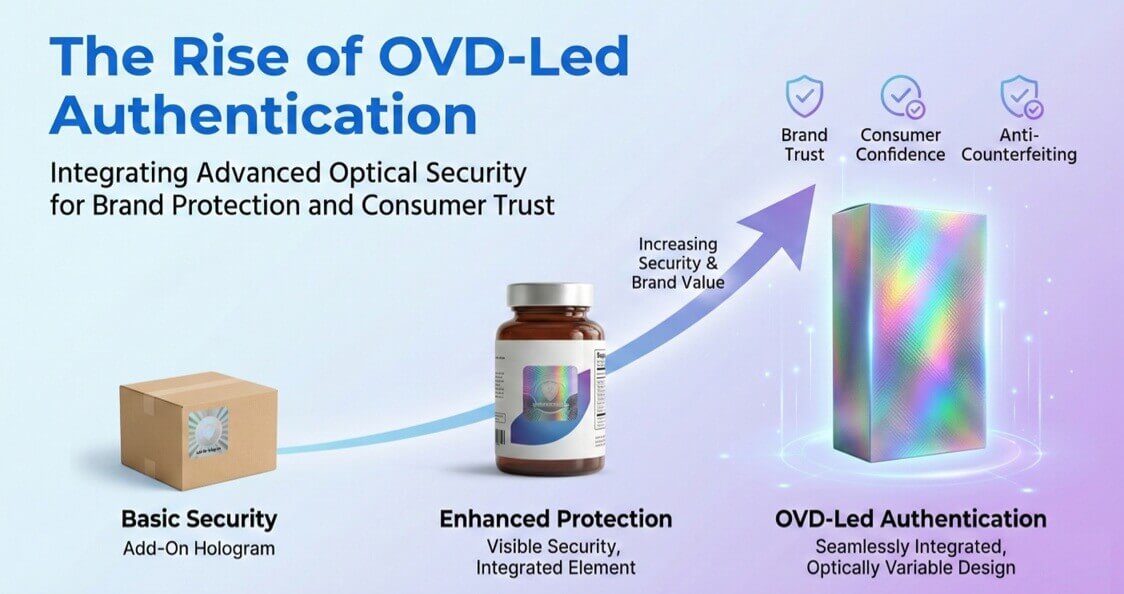
Where they’re used:
Typical product packaging for FMCG, pharmaceutical packaging, government documents, warranty labels
Traditional holograms supply minimal authentication capabilities at a cheap price. However, as the technological means of counterfeit become more and more sophisticated, such holograms are often insufficient for products exposed to high counterfeiting risk.
What Are Optical Variable Devices (OVDs)?
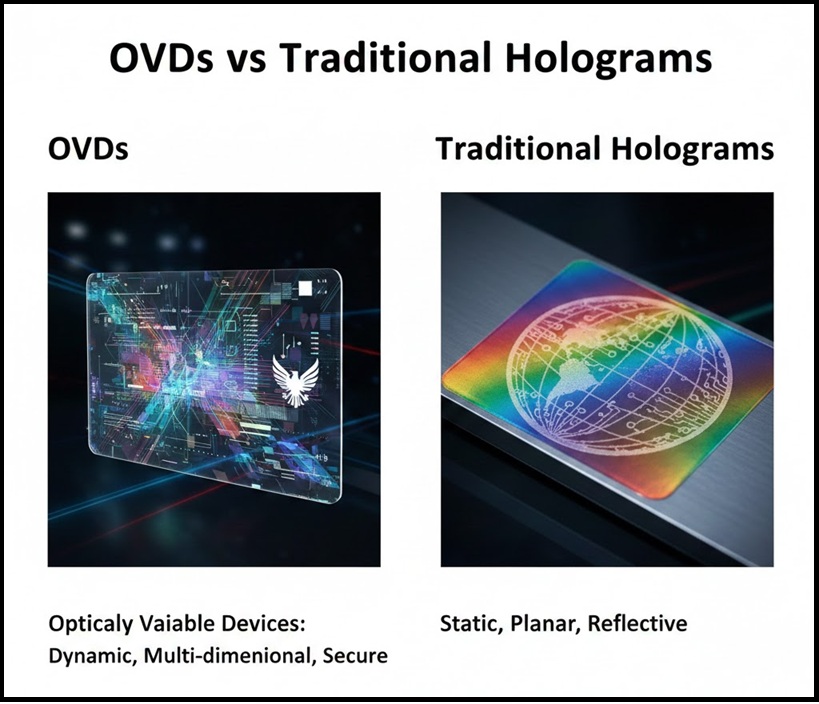
Optical Variable Devices represent an advanced evolution of holographic security technologies. They not only reflect but also alter color, depth, movement, and patterns in ways regular holograms cannot replicate.
Advanced OVD Technologies:
DOVID (Diffractive Optically Variable Image Device)
KINEGRAM® (Micro-optic color-shifting structures)
Thin-Film OVDs (Multi-layer nano-coatings)
Micro-nano Structures (Features visible only under microscopes)
A familiar example of OVD technology is the security strip used in high-value currency notes.
The OVD market was valued at approximately USD 3.2 Billion in 2024 and it is forecasted to grow to approximately USD 5.1 Billion by 2033, according to Verified Market Research. Source 2
Key Differences Between Traditional Holograms & OVDs
Security Level
Traditional: Medium security, susceptible to mid-level counterfeiting equipment
OVDs: High to very high security requiring highly specialized, capital-intensive manufacturing equipment.
Visual Effects
Traditional: Rainbow shine and simple tilt effects
OVDs: Complex depth perception, animation, true color shifts, secret layers, and changing movement patterns.
Difficulty to Copy
Traditional: Can be replicated with an increasingly accessible range of machinery
OVDs: Need proprietary technology, specially-equipped labs, and tightly guarded manufacturing processes
Digital Integration
Traditional: Visual-only authentication
OVDs: Easily connect with QR codes, NFC chips, serialization, and blockchain tracking
Which One Should Brands Choose in 2026?
1. FMCG Brands
Problem: Counterfeit shampoos, soaps, and beverages flooding the market.
Recommendation: OVD-based labels for SKUs that are at medium-to-high risk of counterfeit; traditional holograms for low-risk, high-volume products
Application: OVD seals on premium face cream jars with color-shifting patterns
2. Pharmaceutical Companies
Problem: The circulation of counterfeit medicines that pose serious risks to consumer health (as per pharmaceutical security reports, approximately 6,897 crime incidents were recorded in 2023).
Recommendation: OVDs featuring covert attributes + QR authentication
Application: OVD seals demonstrating color changes and having unique QR codes for smartphone verification on cough syrup bottles
3. Apparel & Garment Brands
Problem: Duplicate garments being sold through unauthorized channels.
Recommendation: The use of OVD holo-strips and tamper-evident protection on garment tags
Application: Premium jeans tags featuring the moving optical effects that display visible tamper-evident damage when removal is attempted.
4. Automotive & Electronics
Problem: Counterfeit spare parts and batteries that lead to safety risks.
Recommendation: High-security OVD seals with tamper-evident destruction patterns
Application: Seals on batteries that create "VOID" patterns in the event of tampering
5. Government Documents
Recommendation: Advanced OVDs are the global standard—120+ countries have implemented DOVID technology for passports and IDs
Cost Comparison: Are OVDs More Expensive?
Yes, OVDs are a bit pricier—but put it this way: The cost of one counterfeit product that wreaks havoc on your brand is way beyond the cost of an OVD label.
The Real Equation:
Traditional holograms are priced in the range of ₹0.50 to ₹2.00 per label approximately while OVD with advanced features is priced in the range of ₹2.00 to ₹5.00 per label approximately.The cost of brand damage can run into millions due to lost sales, erosion of trust, and potential legal liabilities.
This can be compared to investing in a stronger lock to prevent far greater losses. A lock of superior quality that costs ₹2,000 and prevents a theft that costs ₹50,000 is, without a doubt, the prudent investment.
How OVDs Raise Consumer Confidence?

Immediate Visual Confirmation: Consumers can do a quick check themselves and confirm the authenticity of the product by looking for the complex optical effects —color shifts, depth, and movement patterns, which offers one of the fastest and most reliable methods of authentication.
Electronic Confirmation: The implanted QR codes or NFC allow the product to be authenticated through a smartphone, thus revealing the product status, manufacturing details, and supply chain transparency.
The Trust Factor: According to market research on consumer behavior, approximately 80% of customers are unable to differentiate real from fake without security features. Clear authentication gives consumers confidence to choose your products.
Common Misconceptions Explained
"All holograms look the same."
Reality: Traditional holograms show basic effects, while OVDs feature multi-layer movements, hidden elements, and micro-nanostructures impossible to replicate.
"Counterfeiters can copy anything."
Reality: Advanced OVDs require million-dollar equipment and proprietary technology that's strictly protected.According to leading global providers of banknote security technologies, their solution has safeguarded banknotes for 30+ years precisely because it cannot be counterfeited.
"Only expensive products need OVDs."
Reality: Counterfeiting of even ₹50 sachets has been reported. Hence, protecting all price points not only keeps the brand clean but also stops counterfeiters from using the money to expand their illegal operations.
"Security features cost too much."
Reality: The money spent on security features pays off in the long run. Think about revenue that is not coming in, legal fines, and damage to the company's image—these costs are much higher than the money spent on security.
Holoflex's Contribution to Secure Packaging in 2026
Established in 1991, Holoflex Limited is one of India’s established manufacturers of holographic and OVD-based security solutions, with over thirty years of experience in brand protection.
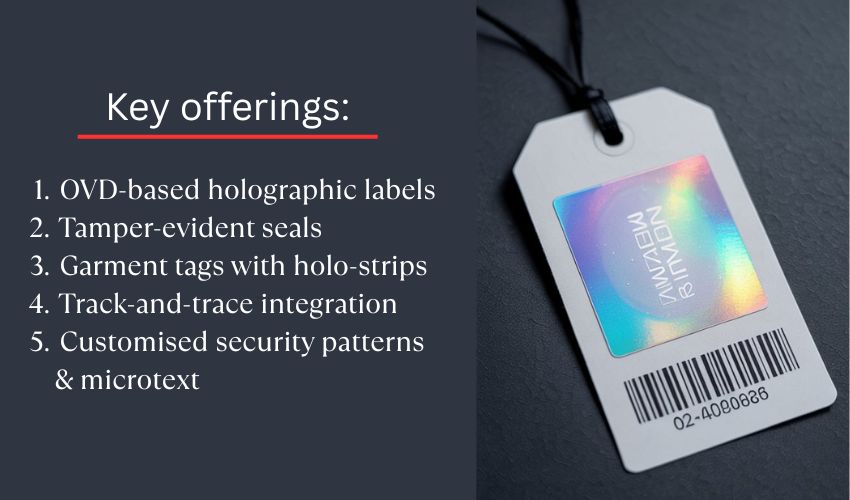
Key offerings:
Why Brands Trust Holoflex:
In-house design & production: Holoflex manages the complete process internally, ensuring tighter quality control, faster turnaround, and secure handling of brand assets.
Currency-grade optical technology: Uses high-security optical features similar to those in banknotes, making replication extremely difficult for counterfeiters.
100% customisation: Every hologram or OVD is tailor-made to the brand’s size, shape, design, and security needs for maximum authenticity.
Scalable across industries: Suitable for FMCG, pharma, apparel, and more—offering reliable protection whether a brand needs thousands or millions of security labels.
Holoflex continues to support brands with advanced holographic and OVD solutions designed to strengthen product security and consumer trust in 2026 and beyond. For advanced holographic and OVD solutions, contact Holoflex Limited.
Know about the Hologram Labels and Security Features.
Latest Blogs
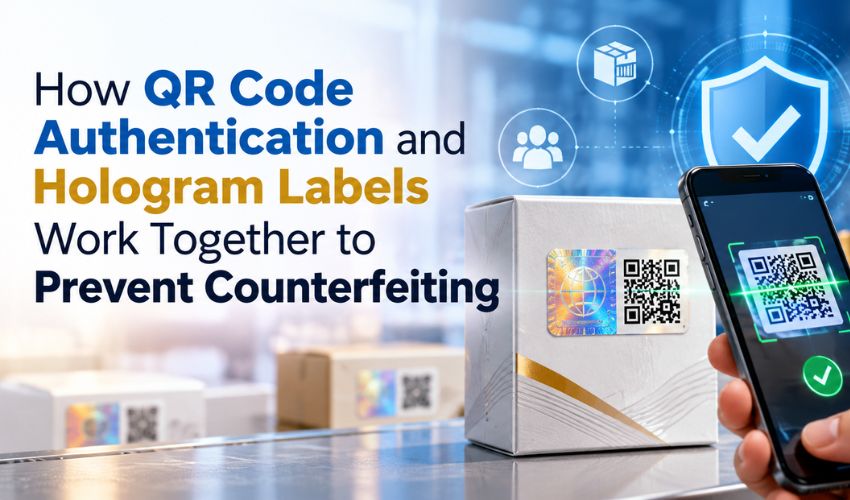
How QR Code Authentication and Hologram Labels Work Together to Combat Counterfeiting?
Oct 17, 2026

Anti-Counterfeit Labels for Packaging: How Indian FMCG Brands Prevent Product Duplication in 2026
Sep 28, 2026
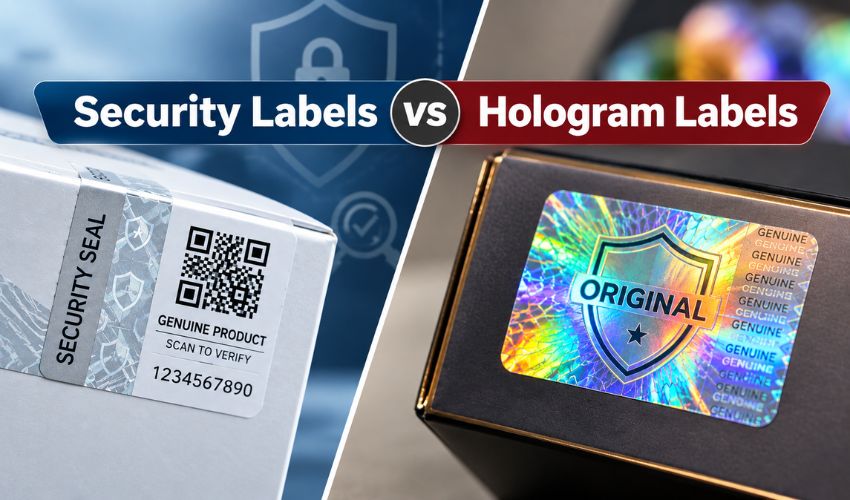
Security Labels vs Hologram Labels: Which Anti-Counterfeit Solution Is Best for Indian Manufacturers?
Sep 18, 2026
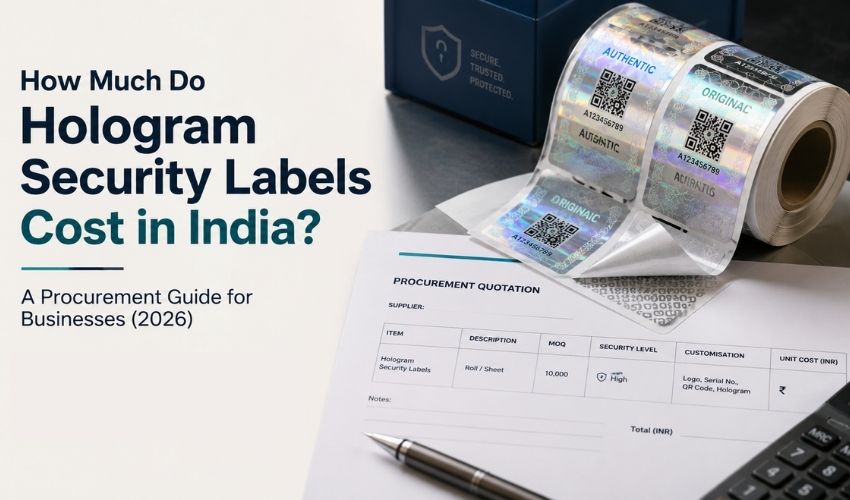
How Much Do Hologram Security Labels Cost in India? A Procurement Guide for Businesses (2026)
Aug 21, 2026
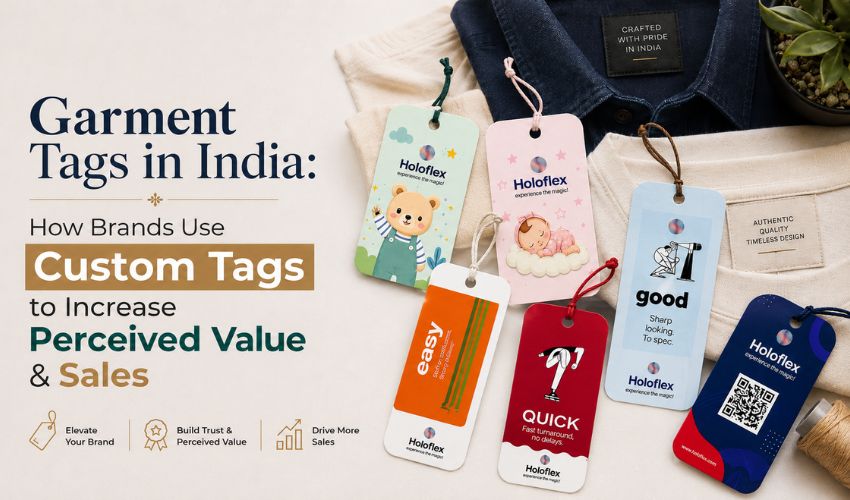
Garment Tags in India: How Brands Use Custom Tags to Increase Perceived Value & Sales
Jul 27, 2026
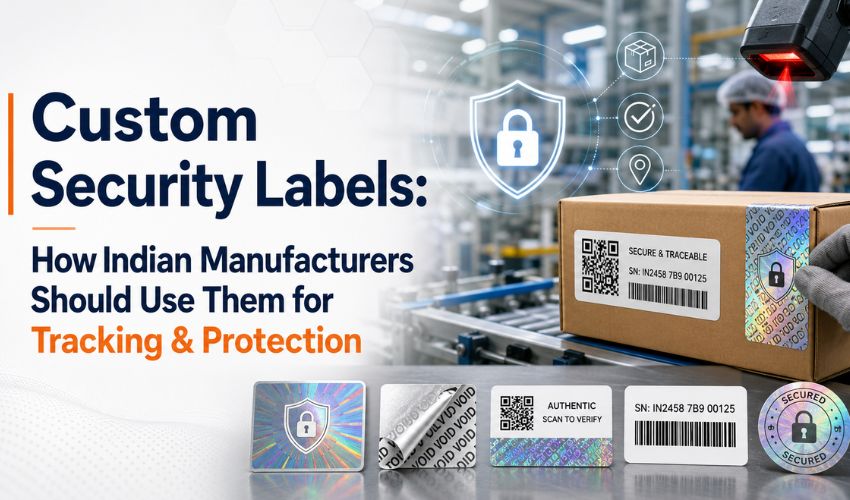
Custom Security Labels: How Indian Manufacturers Should Use Them for Tracking & Protection
Jul 16, 2026

Top Benefits of Shrink Sleeve Labels for Product Packaging
Jun 29, 2026
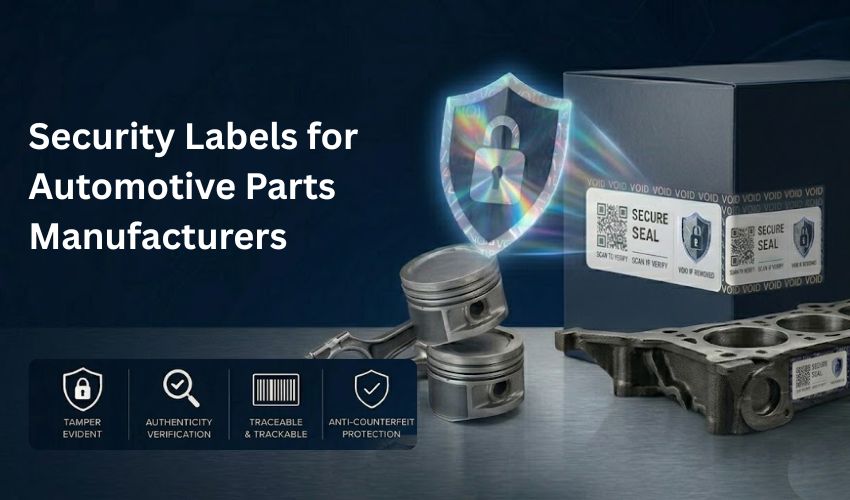
Security Labels for Automotive Parts Manufacturers
Jun 23, 2026

The Evolution of Holographic Technology: From Visual Authentication to Advanced Optical Security
Jun 10, 2026
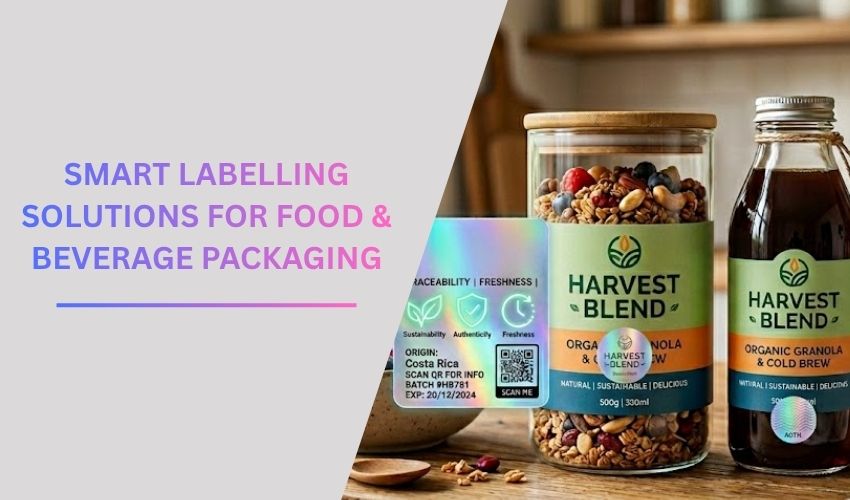
Smart Labelling Solutions For Food & Beverage Packaging
May 25, 2026
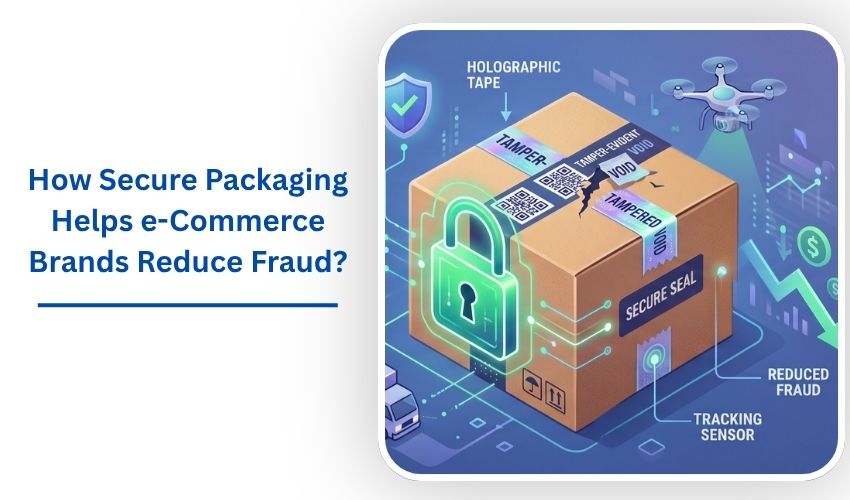
How Secure Packaging Helps E-Commerce Brands Reduce Fraud?
May 21, 2026
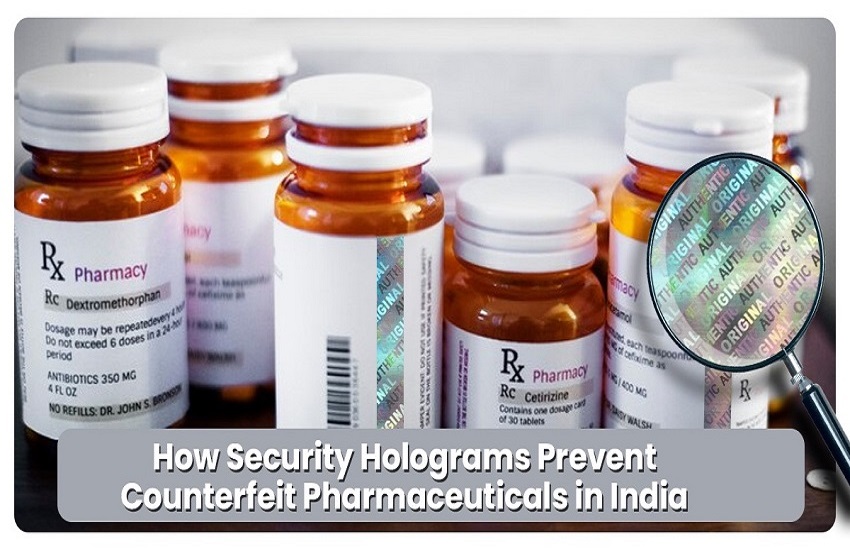
How Security Holograms Prevent Counterfeit Pharmaceuticals in India
Jul 16, 2025
Top 5 Custom Hologram Applications for FMCG Packaging
Jul 24, 2025

How Security Holograms Shield FMCG Packaging from the Rising Counterfeit Menace
Aug 16, 2025

Why Self-Adhesive Labels Are the Smarter Choice for Modern Packaging
Aug 21, 2025
Revolutionizing Brand Protection: Holographic Security Packaging with Integrated Phygital Solutions
Oct 23, 2025
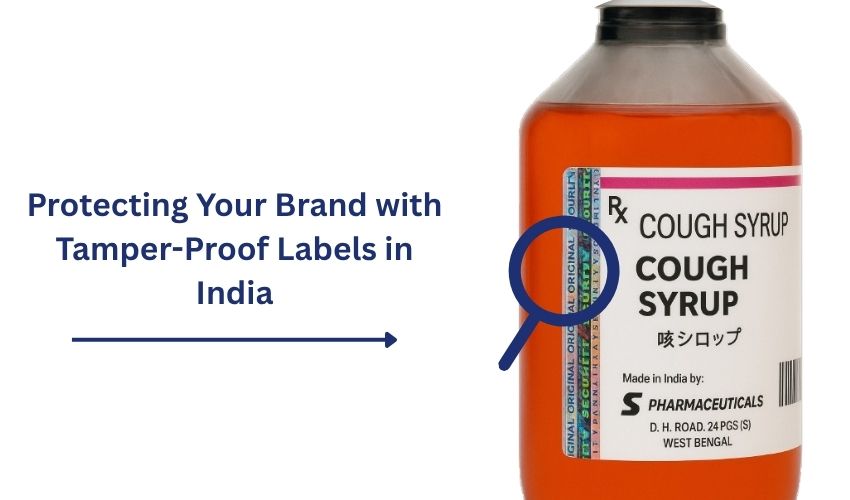
Protecting Your Brand with Tamper-Evident Labels in India
Oct 30, 2025
OVDs vs Traditional Holograms: What Modern Brands Should Choose in 2026
Dec 19, 2025
Eco-Friendly Label Materials: How Brands Can Reduce Packaging Waste Without Losing Security
Jan 06, 2026
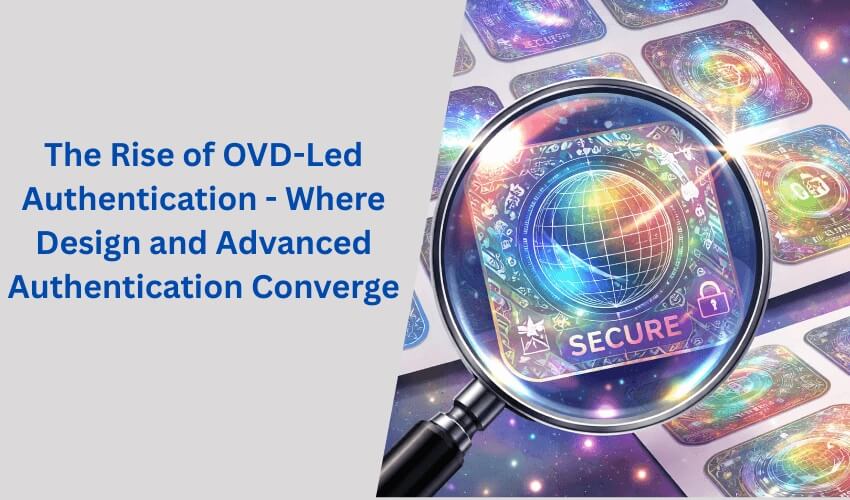
The Rise of OVD-Led Authentication - Where Design and Advanced Authentication Converge
Feb 12, 2026
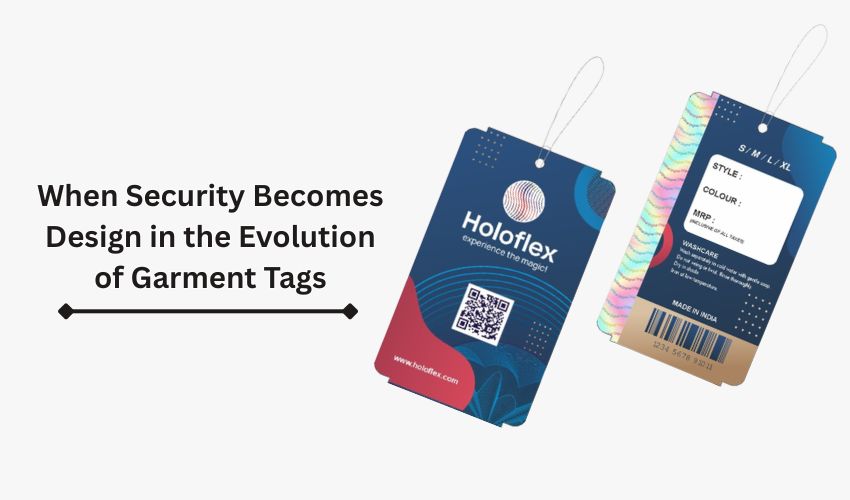
When Security Becomes Design in the Evolution of Garment Tags?
Feb 24, 2026
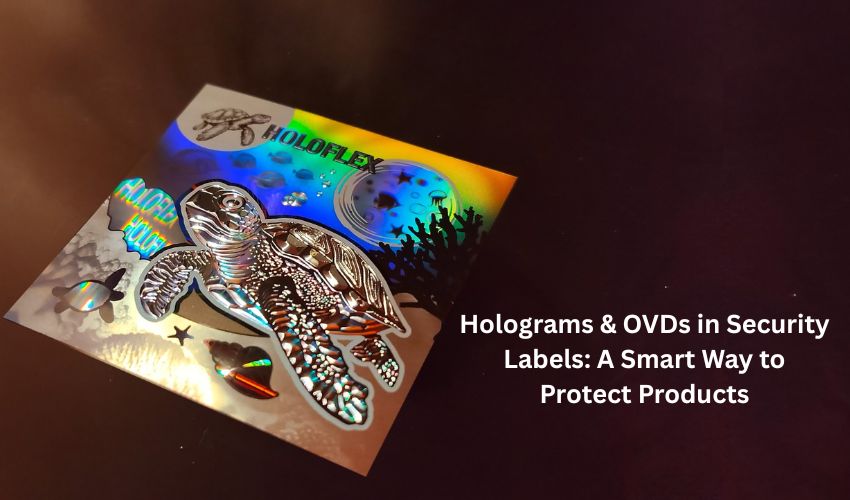
Holograms & OVDs in Security Labels and Stickers: A Smart Way to Protect Products
Mar 17, 2026
Customised Packaging Labels in India: A Complete Guide for Businesses
Mar 24, 2026
How Advanced OVD Technology is Transforming Hologram Security in 2026?
Apr 28, 2026