Custom Security Labels: How Indian Manufacturers Should Use Them for Tracking & Protection
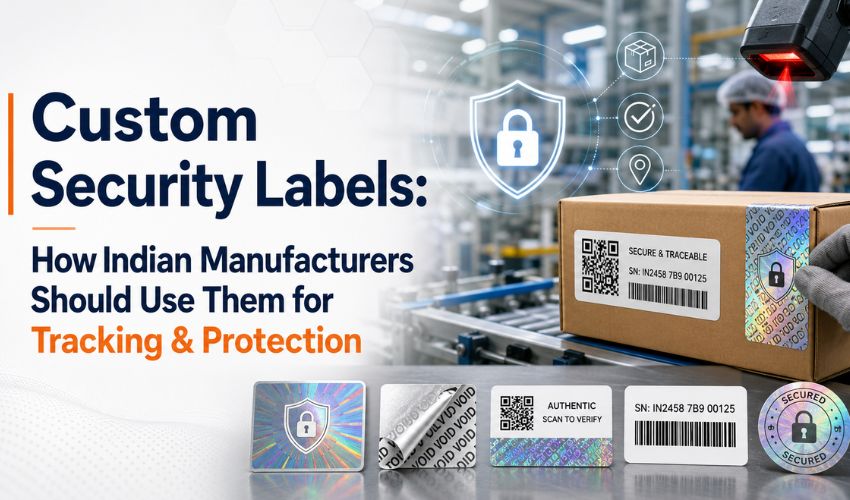
Custom security labels help manufacturers authenticate products, improve traceability, and strengthen brand protection across complex supply chains, unlike conventional labels that mainly display product information. Security labels combine technologies such as holographic security features, tamper-evident materials, QR authentication, barcodes, serialisation, and other verification methods. For Indian manufacturers dealing with counterfeit risks and growing distribution networks, security labels have become an important tool for protecting products and maintaining customer trust.
What Are Custom Security Labels?
Custom security labels are specially designed labels that help businesses authenticate products and improve visibility and control across the supply chain.
A regular product label usually communicates basic information such as brand name, batch details, or manufacturing information. A security label goes further by incorporating features that make unauthorised replication more difficult and provide additional methods of verification.
Modern security labels are developed using multiple layers of authentication and protection, depending on the industry, product value, and level of security required.
These layers may include:
● Overt security features that customers can identify visually, such as holographic effects and specialised graphics
● Covert security features designed for authorised verification, such as microtext and hidden elements
● Digital authentication features such as QR codes, serial numbers, and online verification systems
The objective of a security label is not simply to create the appearance of protection. It is to create a reliable connection between the physical product and the authentication process behind it.
For manufacturers, this makes security labels useful for more than counterfeit prevention. They also support product tracking, supply chain management, and customer confidence.
Why Indian Manufacturers Need Custom Security Labels Today
Indian manufacturers operate in increasingly complex markets. Products often move through multiple stages before reaching the final customer, including distributors, wholesalers, retailers, and online marketplaces.
This creates challenges around:
● Unauthorised distribution
● Product duplication
● Brand misuse
● Supply chain visibility
Counterfeit products can affect businesses in several ways. They can reduce revenue, weaken customer trust, and damage the reputation that companies have built over the years.
This is particularly important for industries where product authenticity directly influences customer decisions, including:
● Pharmaceuticals
● FMCG
● Automotive components
● Electronics
● Industrial products
However, modern security labels are not only about preventing counterfeit products. They are also about improving control.
Manufacturers today need solutions that allow them to identify products, monitor movement, and provide customers with easier ways to verify authenticity.
A well-designed security label combines physical protection, digital capabilities, and brand-enhancing visual elements to create a more complete authentication approach.
How Custom Security Labels Help in Product Tracking?
Security labels have evolved beyond being only a protective measure. Many manufacturers now use them as part of their tracking and identification systems.
QR Code Authentication
QR-enabled security labels allow physical products to connect with digital platforms.
When scanned, a QR code can direct users to product information, authentication pages, or verification systems.
Depending on the application, QR codes can support:
● Product verification
● Customer engagement
● Batch information access
● Digital records
For brands selling through multiple channels, QR authentication provides a practical way to connect the physical product with digital verification.
Serialisation and Unique Identification
Serialisation involves assigning a unique identification number or code to individual products or batches.
This allows manufacturers to track products more effectively throughout the supply chain.
Serialised labels can support:
● Product identification
● Batch monitoring
● Distribution tracking
● Internal verification processes
For companies dealing with high-value products or regulated industries, serialisation provides better visibility and accountability.
Barcode Integration
Barcode labels remain a widely used solution for product identification.
They help manufacturers and retailers manage:
● Inventory systems
● Warehouse operations
● Product movement
● Retail processes
By combining barcode functionality with security features, businesses can improve both operational efficiency and product verification.
How Security Labels Protect Products From Counterfeiting?
Counterfeiting techniques continue to evolve, becoming increasingly sophisticated across industries. As unauthorised reproduction techniques become more sophisticated, manufacturers need authentication solutions that go beyond basic branding elements.
Modern security labels use multiple layers of verification instead of depending on a single feature.
Overt Security Features
Overt features are visible security elements that allow quick identification.
These may include:
● Holographic effects
● Special visual patterns
● Colour-shifting elements
● Security graphics
These features allow customers, retailers, and distributors to perform basic checks without specialised equipment.
Covert Security Features
Covert features are hidden elements that require authorised methods of verification.
Examples include:
● Microtext
● Hidden design elements
● Specialised authentication marks
Because these features are not obvious during normal viewing, they add another level of protection.
Digital Authentication Features
The combination of physical and digital security has become increasingly important.
Digital features may include:
● QR code verification
● Serialised tracking
● Database-based authentication
This approach allows manufacturers to create a stronger verification process.
Companies such as Holoflex specialise in customised security labelling solutions that combine holographic technologies, authentication features, advanced printing, and digital identification capabilities. These solutions help brands develop customised protection strategies based on their specific requirements.
It is important to understand that no security solution can guarantee the complete elimination of counterfeit activity. The purpose of security labels is to strengthen authentication, improve traceability, and make unauthorised duplication more challenging.
Types of Custom Security Labels Used in India
Different industries require different security approaches depending on product value, risk, and operational needs.
| Security Label Type | Purpose |
| Holographic Security Labels | Provide visible authentication through advanced optical features |
| Tamper Evident Labels | Show signs of unauthorised removal or opening |
| QR Authentication Labels | Connect products with digital verification systems |
| Barcode Labels | Support product tracking and inventory management |
| Serialised Labels | Provide unique product identification |
Holographic Security Labels
Holographic security labels use optical technologies to create distinctive visual effects, premium aesthetics, and authentication features.
Modern security holograms are developed through specialised processes and can include customised designs, multiple security layers, and optical elements that are difficult to reproduce accurately.
They are commonly used by brands that require stronger product authentication along with enhanced product presentation.
Tamper Evident Labels
Tamper-evident labels are designed to show visible signs when an attempt is made to remove or interfere with them.
They are useful for applications where packaging integrity and product access control matter.
Industry-Wise Use Cases in India
Pharmaceuticals
Pharmaceutical manufacturers use security labels to support product authentication and help distinguish genuine products from unauthorised copies.
Security features such as QR verification and serialisation can support authentication initiatives.
FMCG
Fast-moving consumer goods brands often operate through large distribution networks, making product verification challenging.
Security labels help brands strengthen identification and improve customer confidence.
Automotive Components
Automotive parts manufacturers use security labels to support component identification and protect against unauthorised replacement products.
Electronics
Electronics products and components can be attractive targets for counterfeit activity due to their market value.
Authentication labels help businesses improve product verification.
Industrial Manufacturing
Industrial companies use security labels for equipment identification, tracking, and asset management.
How Manufacturers Can Implement Custom Security Labels?
Selecting the right security label solution requires understanding the specific risks associated with a product.
1. Identify Security Requirements
Manufacturers should evaluate:
● Counterfeit risks
● Product value
● Distribution challenges
● Verification requirements
A pharmaceutical product may require a different approach compared to an industrial component.
2. Select the Right Combination of Features
A strong security solution often combines different technologies.
Depending on requirements, manufacturers may choose:
● Holographic security features
● QR authentication
● Serialisation
● Tamper-evident properties
3. Integrate With Existing Systems
Security labels should fit into existing manufacturing and supply chain processes.
Integration with inventory systems, tracking platforms, and verification tools improves effectiveness.
4. Define Verification Methods
Manufacturers should decide who needs to verify the product and how.
Verification may involve:
● Customers
● Distributors
● Internal teams
● Quality control departments
Common Mistakes Indian Businesses Make
Choosing Labels Based on Appearance Alone
A security label should not be selected solely for its visual appeal; it should also deliver the required level of authentication and traceability.
The right solution depends on the level of authentication and tracking required.
Using Only One Security Feature
Relying on a single security element may not provide sufficient protection.
Combining visible, hidden, and digital features creates a more complete authentication system.
Ignoring Supply Chain Requirements
Manufacturers should consider how products move after production.
A label that supports identification and tracking can provide value beyond initial authentication.
Making Unrealistic Security Claims
Security labels strengthen protection, but they are not a guarantee that counterfeit activity will disappear completely.
The goal is to create stronger verification, improve traceability, and increase the difficulty of unauthorised reproduction.
Conclusion:
As Indian manufacturing becomes more connected, product protection requires solutions that go beyond traditional packaging and identification methods.
Custom security labels allow manufacturers to combine authentication, tracking, and brand protection in a single solution. By using technologies such as holographic security features, QR verification, serialisation, and tamper-evident properties, businesses can create stronger systems for identifying genuine products.
Holoflex helps manufacturers develop customised security labelling solutions designed around specific industry requirements. With expertise in holographic security, authentication technologies, and identification systems, Holoflex supports businesses looking to improve product verification and strengthen trust throughout their supply chain.
The future of security labelling lies in combining physical authentication, digital verification, and enhanced visual appeal. A well-designed security label is not merely a mark placed on a product. It is a practical tool that helps manufacturers protect their reputation, improve visibility, and build confidence among customers and partners.
Modern security labels are no longer designed solely for protection; they increasingly combine authentication technologies with advanced printing and optical elements that enhance brand identity and shelf appeal.
FAQs
What are custom security labels used for in manufacturing?
Custom security labels are used to authenticate products, support traceability, strengthen brand protection, and help businesses verify genuine products across supply chains.
What types of security features can be added to custom labels?
Security labels can include holographic security features, tamper-evident properties, QR codes, serial numbers, microtext, and other authentication technologies, depending on the required security level.
Are custom security labels effective against counterfeiting?
Custom security labels help reduce counterfeit risks by adding multiple layers of authentication. They make unauthorised replication more difficult and provide better ways to verify genuine products.
Can security labels be integrated with QR codes?
Yes. QR codes can be integrated into security labels to provide digital authentication, product information, verification systems, and tracking capabilities.
You may read: Customised Packaging Labels in India: A Complete Guide for Businesses
Latest Blogs
How QR Code Authentication and Hologram Labels Work Together to Combat Counterfeiting?
Oct 17, 2026
Anti-Counterfeit Labels for Packaging: How Indian FMCG Brands Prevent Product Duplication in 2026
Sep 28, 2026
Security Labels vs Hologram Labels: Which Anti-Counterfeit Solution Is Best for Indian Manufacturers?
Sep 18, 2026
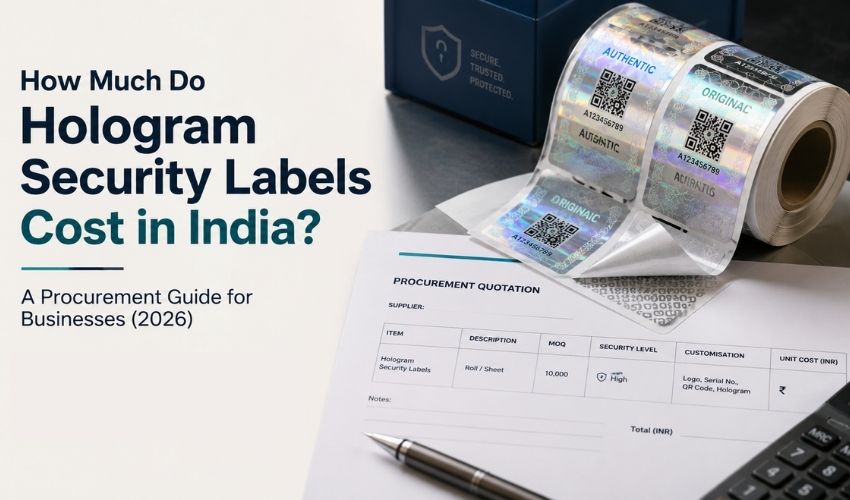
How Much Do Hologram Security Labels Cost in India? A Procurement Guide for Businesses (2026)
Aug 21, 2026
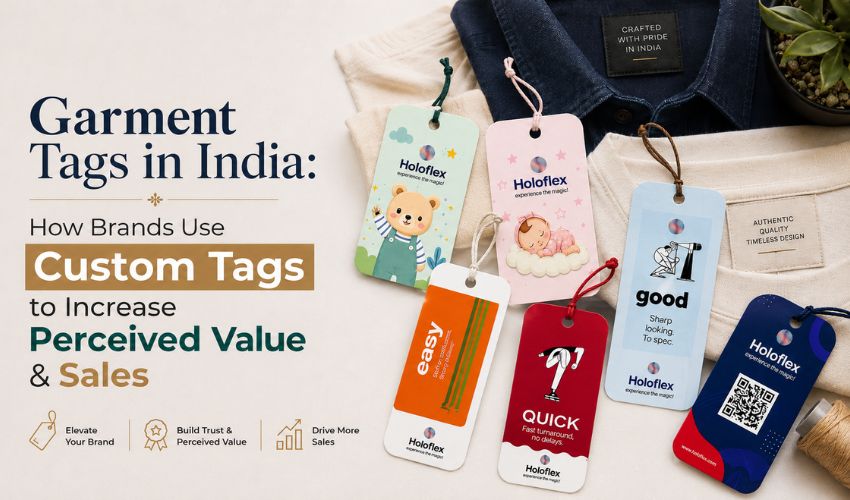
Garment Tags in India: How Brands Use Custom Tags to Increase Perceived Value & Sales
Jul 27, 2026
Custom Security Labels: How Indian Manufacturers Should Use Them for Tracking & Protection
Jul 16, 2026
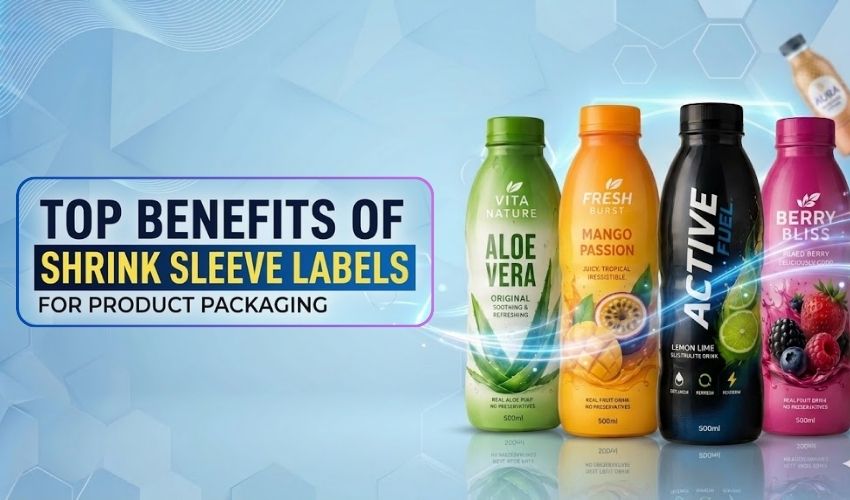
Top Benefits of Shrink Sleeve Labels for Product Packaging
Jun 29, 2026
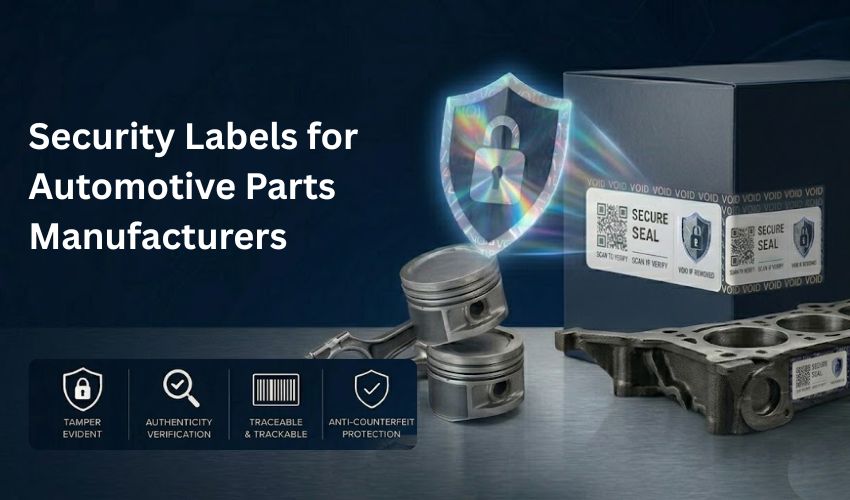
Security Labels for Automotive Parts Manufacturers
Jun 23, 2026

The Evolution of Holographic Technology: From Visual Authentication to Advanced Optical Security
Jun 10, 2026
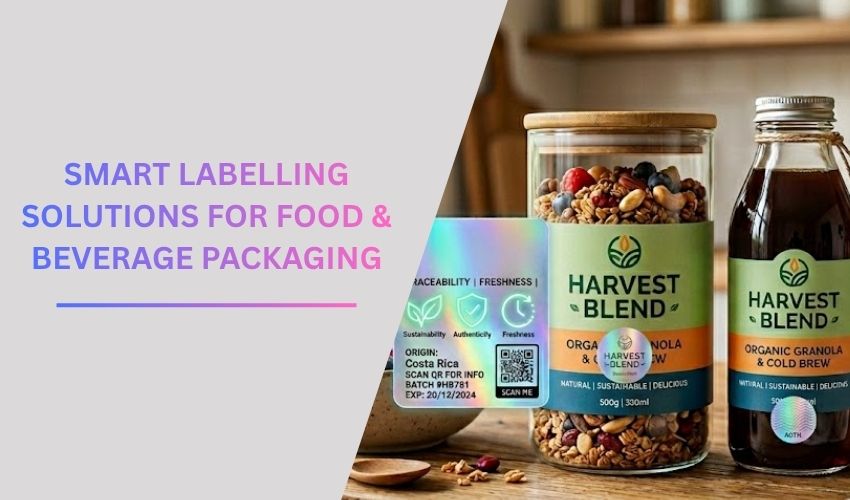
Smart Labelling Solutions For Food & Beverage Packaging
May 25, 2026
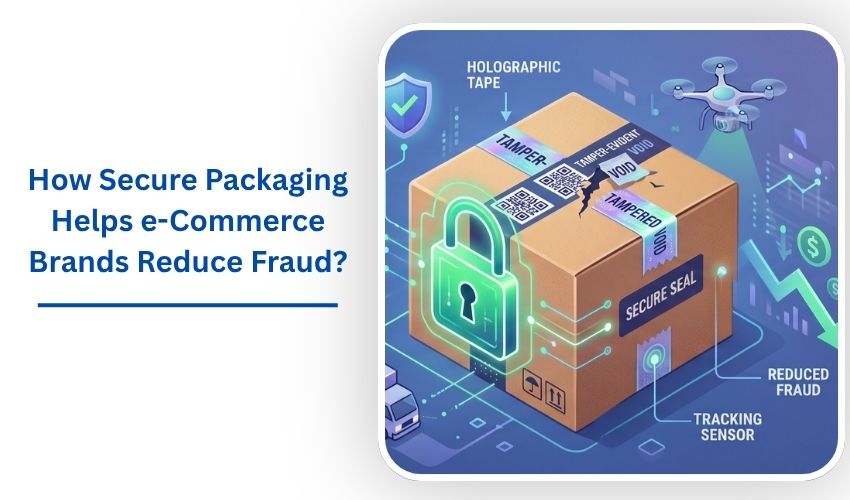
How Secure Packaging Helps E-Commerce Brands Reduce Fraud?
May 21, 2026

How Security Holograms Prevent Counterfeit Pharmaceuticals in India
Jul 16, 2025
Top 5 Custom Hologram Applications for FMCG Packaging
Jul 24, 2025
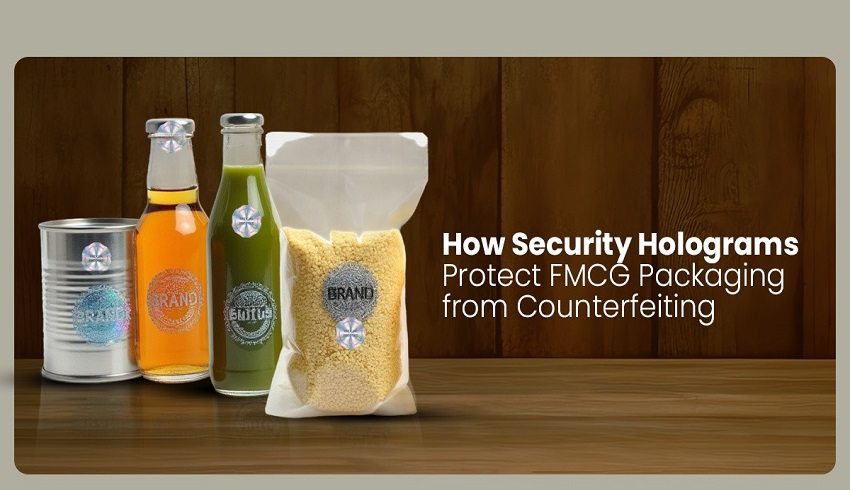
How Security Holograms Shield FMCG Packaging from the Rising Counterfeit Menace
Aug 16, 2025
Why Self-Adhesive Labels Are the Smarter Choice for Modern Packaging
Aug 21, 2025
Revolutionizing Brand Protection: Holographic Security Packaging with Integrated Phygital Solutions
Oct 23, 2025
Protecting Your Brand with Tamper-Evident Labels in India
Oct 30, 2025
OVDs vs Traditional Holograms: What Modern Brands Should Choose in 2026
Dec 19, 2025
Eco-Friendly Label Materials: How Brands Can Reduce Packaging Waste Without Losing Security
Jan 06, 2026
The Rise of OVD-Led Authentication - Where Design and Advanced Authentication Converge
Feb 12, 2026
When Security Becomes Design in the Evolution of Garment Tags?
Feb 24, 2026
Holograms & OVDs in Security Labels and Stickers: A Smart Way to Protect Products
Mar 17, 2026
Customised Packaging Labels in India: A Complete Guide for Businesses
Mar 24, 2026
How Advanced OVD Technology is Transforming Hologram Security in 2026?
Apr 28, 2026