Garment Tags in India: How Brands Use Custom Tags to Increase Perceived Value & Sales
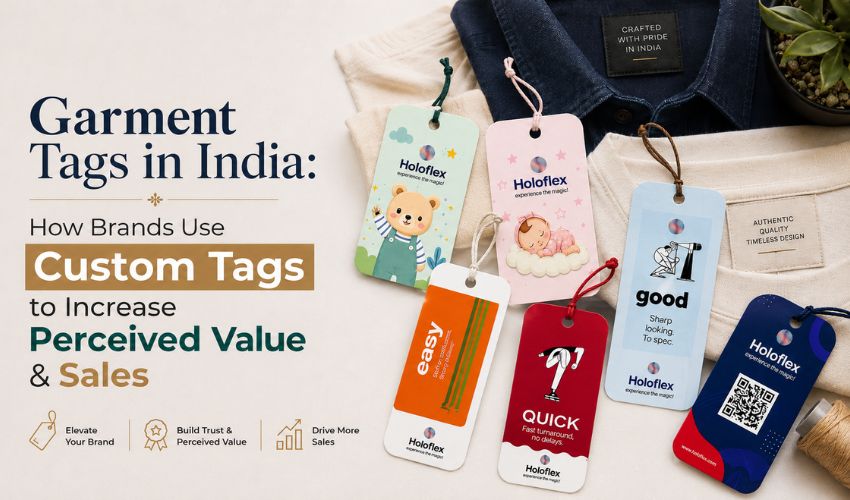
A garment tag may occupy only a small space on a piece of clothing, but it plays a much bigger role than simply displaying a brand name or care instructions. Custom garment tags help fashion brands create a stronger identity, communicate product quality, enable product authentication, and improve customer confidence. In India’s growing apparel market, brands are increasingly using woven labels, printed tags, RFID tags, barcode labels, and security-enabled solutions to create better product experiences and protect their brand value.
What Are Garment Tags?
Garment tags are labels attached to clothing products to provide essential information such as brand identity, size, fabric composition, care instructions, and manufacturing details.
For many years, garment tags were treated as a basic requirement of apparel production. They carried necessary information and helped customers understand how to use and maintain a product. However, fashion brands today view tags differently.
A garment tag is one of the few physical touchpoints through which customers interact with a brand before and after purchase. The quality of the label, the material used, the finishing, and even the way the brand name is presented can influence how customers perceive the product.
For premium fashion brands, this attention to detail matters. A carefully designed tag reinforces the idea that the brand has invested in every part of the customer experience.
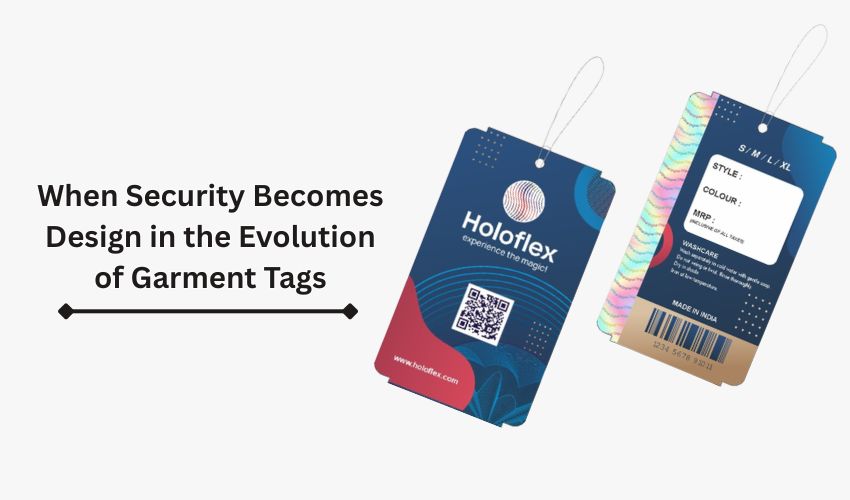
Modern garment tags also serve practical business functions. Brands can integrate technologies such as barcodes, RFID, QR codes, and authentication features to improve inventory control, product identification, and verification.
For apparel companies, the right garment tag is not merely an information carrier—it is a combination of branding, product identity, and, where required, authentication.
Why Garment Tags Matter for Fashion Brands
The apparel industry has become highly competitive. A customer today has access to thousands of choices across retail stores, marketplaces, and direct-to-consumer websites.
In this environment, brands need to create recognition beyond the garment itself. Small details often influence how customers perceive a product, and garment tags play an important role in shaping that perception.
They Strengthen Brand Identity
A garment tag is a direct representation of a brand.
The logo, colours, typography, and overall design of a label help customers recognise and remember a brand. This becomes especially important for companies selling across multiple channels where customers may encounter their products in different environments.
A thoughtfully designed tag creates consistency. It connects the physical product with the brand image customers see online, in stores, and through packaging.
For premium and lifestyle brands, the label becomes part of the product story. It communicates attention to detail before the customer even wears the garment.
They Influence Perceived Product Quality
Customers often use visible details to judge quality.
A well-made garment with a poorly designed label can create a mismatch in perception. On the other hand, a high-quality woven label or professionally finished tag can reinforce the feeling of a premium product.
The tag itself does not determine whether a garment is high quality. However, it contributes to the signals customers use when deciding whether a product feels reliable, refined, and worth its price.
This is why established fashion brands invest in customised labels, packaging, and finishing elements rather than treating them as production formalities.
They Support Product Authenticity
As fashion brands expand through online marketplaces, distributors, and multiple retail channels, maintaining product authenticity becomes more challenging.
Counterfeit apparel can reduce revenue, erode customer trust, and dilute the brand equity companies build over time. For brands with strong recognition, protecting identity becomes an important business consideration.
Security-enabled garment tags can support authentication through features such as:
● QR code verification
● Unique serial numbers
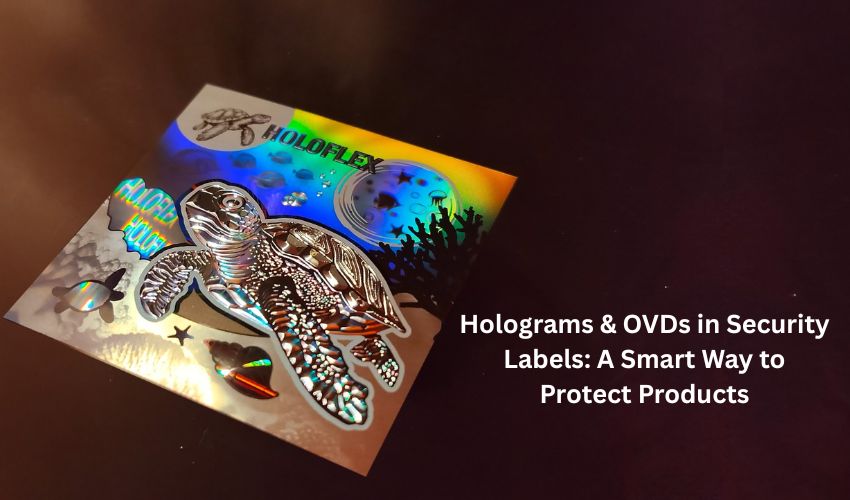
● Holographic security elements
● Digital identification systems
While no security feature can completely eliminate counterfeiting, these technologies provide additional layers of verification for brands, distributors, and customers.
They Improve Product Tracking
Garment tags are also valuable from an operational perspective.
Barcode and RFID-enabled labels allow apparel businesses to manage products more efficiently across manufacturing, warehouses, and retail networks.
They can support:
● Inventory tracking
● Stock management
● Product identification
● Supply chain visibility
For growing apparel companies, these technologies help connect physical products with better business control.
Types of Garment Tags (Woven, Printed, RFID, Barcode)
Different apparel brands choose garment tags based on their product category, manufacturing process, and customer expectations.
Woven Garment Tags
Woven labels are widely used by brands looking for a premium appearance and durable finish.
These Security labels are created by weaving threads together to form the brand name, logo, or design. Because the details are integrated into the fabric structure, woven labels maintain their appearance even after repeated washing and usage.
They are commonly used for:
● Premium apparel
● Denim brands
● Designer clothing
● Lifestyle products
For many fashion brands, a woven label is more than a product identifier—it becomes part of the brand's visual language.
Printed Garment Tags
Printed labels are commonly used where brands need to display detailed information clearly.
They are suitable for:
● Care instructions
● Fabric details
● Size information
● Manufacturing information
Printed tags offer flexibility for large-volume apparel production and allow brands to communicate important product details efficiently.
RFID Garment Tags
RFID technology uses radio frequency identification to track products electronically.
In apparel manufacturing and retail, RFID tags are used to improve:
● Inventory accuracy
● Warehouse management
● Product movement tracking
● Retail operations
For companies handling large product volumes, RFID provides better visibility compared to manual tracking methods.
Barcode Garment Tags
Barcode labels remain one of the most widely used solutions for inventory management and product identification in the apparel industry.
They help businesses manage:
● Stock systems
● Product scanning
● Billing processes
● Distribution operations
Because barcode systems are widely accepted and easy to integrate, they continue to be a practical choice for many apparel businesses.
Security Enabled Garment Tags
For fashion brands dealing with premium products, designer collections, or counterfeit concerns, security-enabled tags provide an additional layer of verification.
These labels can include features such as:
● Holographic security elements
● QR-based authentication
● Serialisation
● Tamper-evident features
Companies with expertise in security printing and authentication technologies, such as Holoflex, help brands combine customised identification with authentication technologies. This allows apparel businesses to create labels that support both brand presentation and product verification.
How Premium Tags Increase Perceived Brand Value?
A premium product experience is shaped by multiple elements, including fabric, stitching, packaging, and garment tags.
Small Details Create Stronger Brand Impressions
Customers notice consistency.
A thoughtfully designed garment tag shows that a brand has considered every aspect of the product journey. It creates a sense of professionalism and reinforces the brand promise.
For luxury and premium fashion companies, the label is often part of the overall storytelling experience.
Premium Tags Support Better Positioning
Brands selling higher-value products need customers to understand what makes them different.
A customised garment tag supports this positioning by adding another layer of quality and authenticity. It does not create premium value on its own, but it strengthens the overall presentation of the product.
Authentication Strengthens Consumer Trust
As branded apparel becomes more vulnerable to imitation, authentication features are becoming increasingly relevant.
By combining physical security features with digital verification options, brands can give customers more confidence when purchasing premium products.
Customisation Options in India
Indian apparel brands have several options when developing customised garment tags.
Material and Design Choices
Brands can customise:
● Label materials
● Sizes and shapes
● Colours
● Logos
● Finishing styles
● Printing methods
The right selection depends on the garment type and the brand image a company wants to create.
Digital and Security Integration
Modern labels can go beyond visual branding.
Brands can integrate:
● QR codes
● Serial numbers
● Digital verification systems
● Authentication features
This allows physical products to connect with digital platforms and provides additional opportunities for verification and customer engagement.
Holoflex provides customised labelling, security printing, and authentication solutions that help brands combine aesthetics, identification, and product protection within a single tag.
Common Mistakes Brands Make
Choosing Labels Only Based on Cost
While cost matters, selecting labels solely on price without considering quality and brand positioning can negatively influence customer perception.
The right label should match the product’s positioning and expected usage.
Ignoring Product Requirements
Different garments require different solutions. A luxury fashion product, sportswear item, and everyday apparel product may need different materials and finishes.
Treating Tags as an Afterthought
Many brands invest heavily in product design but overlook labels. This creates a missed opportunity because the tag is one of the customer’s direct interactions with the product.
Not Planning for Authentication
Brands that are growing should consider future challenges such as counterfeit products and complex distribution networks.
Adding authentication options at the right stage can help companies build stronger product protection strategies.
Modern garment tags are expected to achieve a careful balance between visual appeal and product security, enabling brands to strengthen shelf presence while protecting authenticity.
Discover the ideal labelling solution in India.
FAQs
What are garment tags used for in the apparel industry?
Garment tags are used for brand identification, product information, care instructions, size details, and manufacturing details. Modern garment tags can also support product tracking and authentication through technologies such as barcodes, RFID, and QR verification.
What types of garment tags are available in India?
Common types include woven labels, printed labels, barcode tags, RFID tags, and security-enabled garment tags with features such as holographic elements, QR codes, and serialised identification.
How do garment tags increase brand value?
Garment tags increase brand value by improving product presentation, reinforcing quality perception, supporting authenticity, and helping customers recognise genuine products.
Can garment tags include security features?
Yes. Garment tags can include security features such as QR authentication, serial numbers, holographic security elements, and other verification technologies. These features help brands strengthen product identification and make unauthorised duplication more difficult.
Latest Blogs

How QR Code Authentication and Hologram Labels Work Together to Combat Counterfeiting?
Oct 17, 2026

Anti-Counterfeit Labels for Packaging: How Indian FMCG Brands Prevent Product Duplication in 2026
Sep 28, 2026
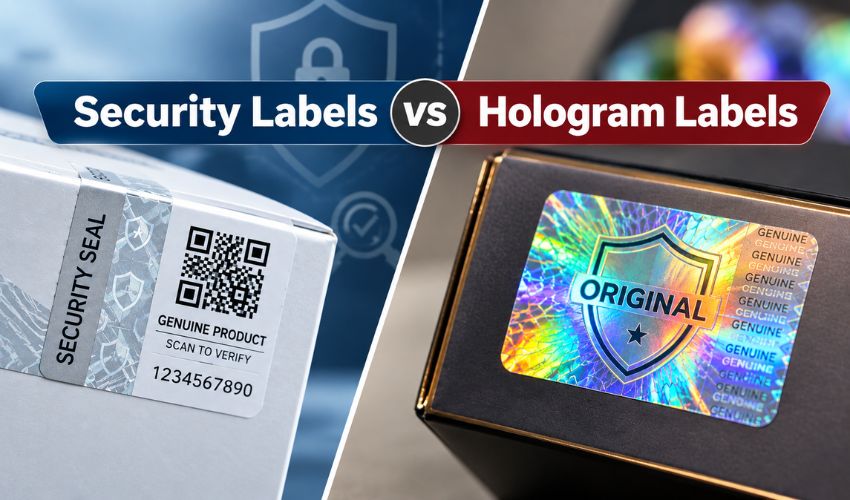
Security Labels vs Hologram Labels: Which Anti-Counterfeit Solution Is Best for Indian Manufacturers?
Sep 18, 2026
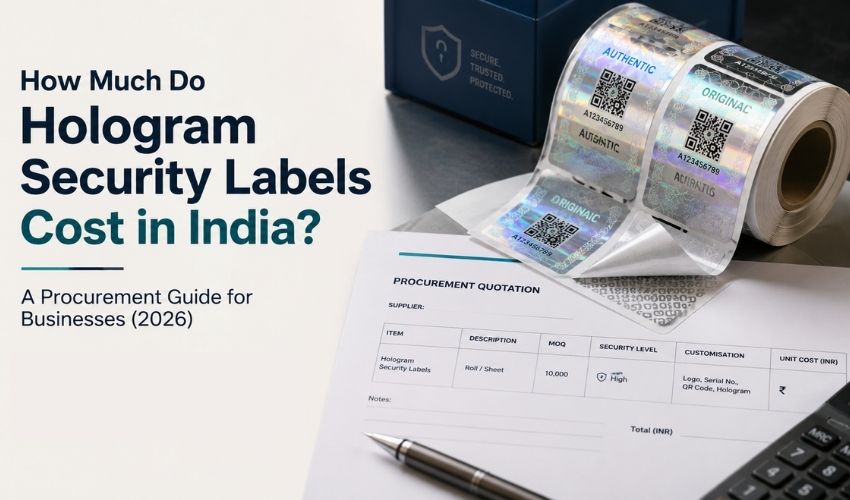
How Much Do Hologram Security Labels Cost in India? A Procurement Guide for Businesses (2026)
Aug 21, 2026
Garment Tags in India: How Brands Use Custom Tags to Increase Perceived Value & Sales
Jul 27, 2026
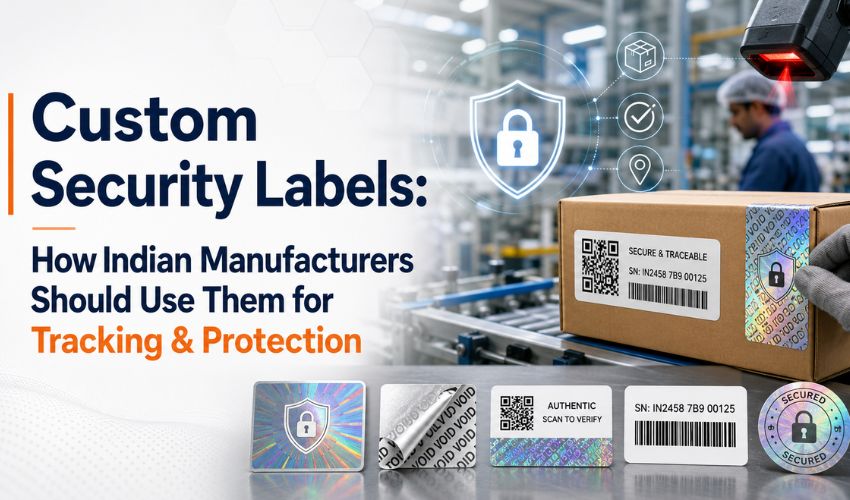
Custom Security Labels: How Indian Manufacturers Should Use Them for Tracking & Protection
Jul 16, 2026

Top Benefits of Shrink Sleeve Labels for Product Packaging
Jun 29, 2026

Security Labels for Automotive Parts Manufacturers
Jun 23, 2026

The Evolution of Holographic Technology: From Visual Authentication to Advanced Optical Security
Jun 10, 2026

Smart Labelling Solutions For Food & Beverage Packaging
May 25, 2026
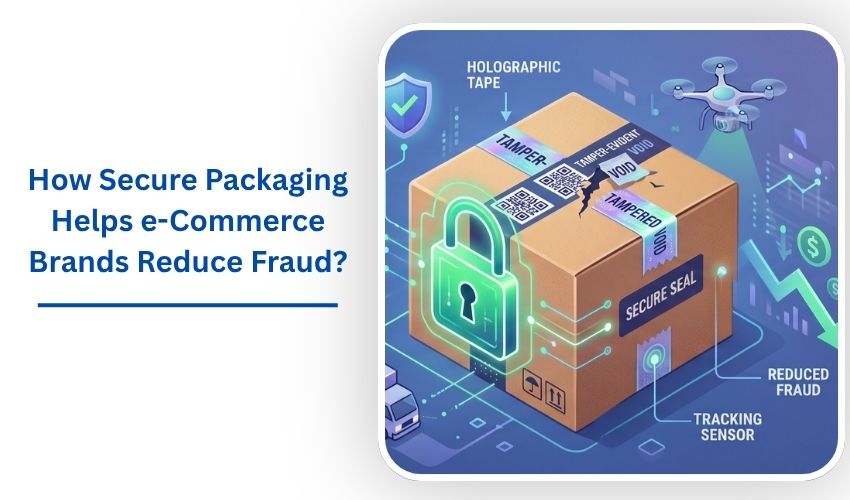
How Secure Packaging Helps E-Commerce Brands Reduce Fraud?
May 21, 2026

How Security Holograms Prevent Counterfeit Pharmaceuticals in India
Jul 16, 2025

Top 5 Custom Hologram Applications for FMCG Packaging
Jul 24, 2025

How Security Holograms Shield FMCG Packaging from the Rising Counterfeit Menace
Aug 16, 2025

Why Self-Adhesive Labels Are the Smarter Choice for Modern Packaging
Aug 21, 2025

Revolutionizing Brand Protection: Holographic Security Packaging with Integrated Phygital Solutions
Oct 23, 2025
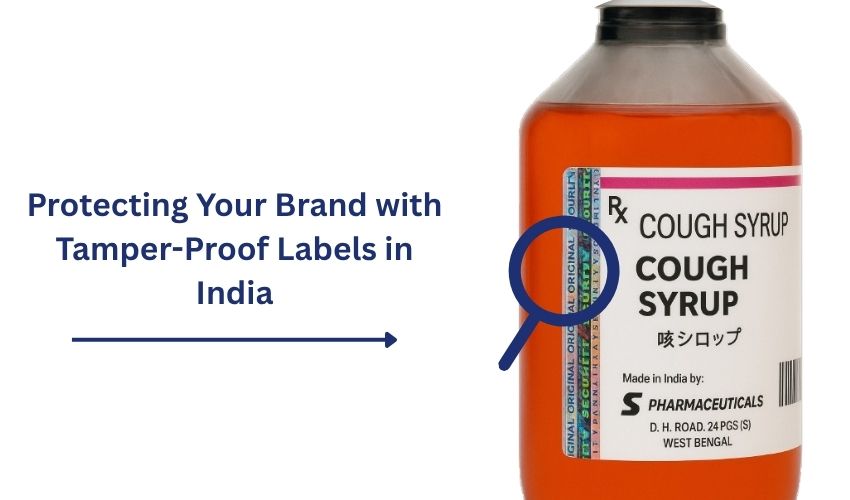
Protecting Your Brand with Tamper-Evident Labels in India
Oct 30, 2025
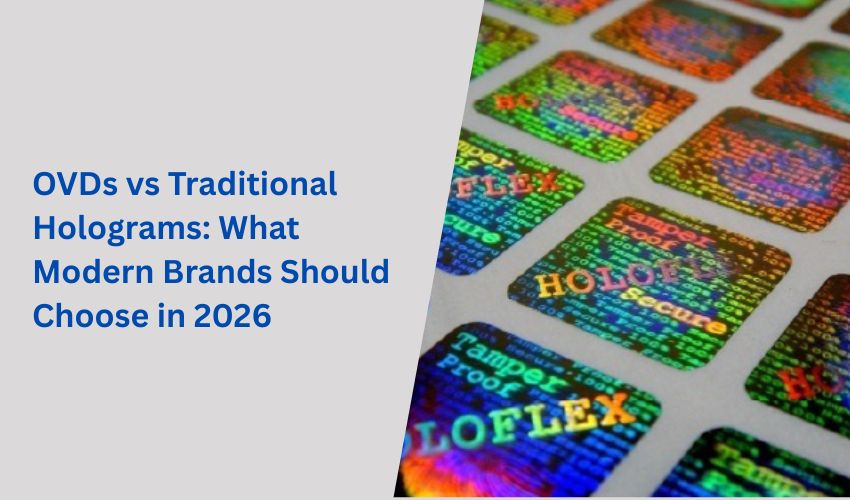
OVDs vs Traditional Holograms: What Modern Brands Should Choose in 2026
Dec 19, 2025
Eco-Friendly Label Materials: How Brands Can Reduce Packaging Waste Without Losing Security
Jan 06, 2026

The Rise of OVD-Led Authentication - Where Design and Advanced Authentication Converge
Feb 12, 2026
When Security Becomes Design in the Evolution of Garment Tags?
Feb 24, 2026
Holograms & OVDs in Security Labels and Stickers: A Smart Way to Protect Products
Mar 17, 2026

Customised Packaging Labels in India: A Complete Guide for Businesses
Mar 24, 2026

How Advanced OVD Technology is Transforming Hologram Security in 2026?
Apr 28, 2026