How Secure Packaging Helps E-Commerce Brands Reduce Fraud?
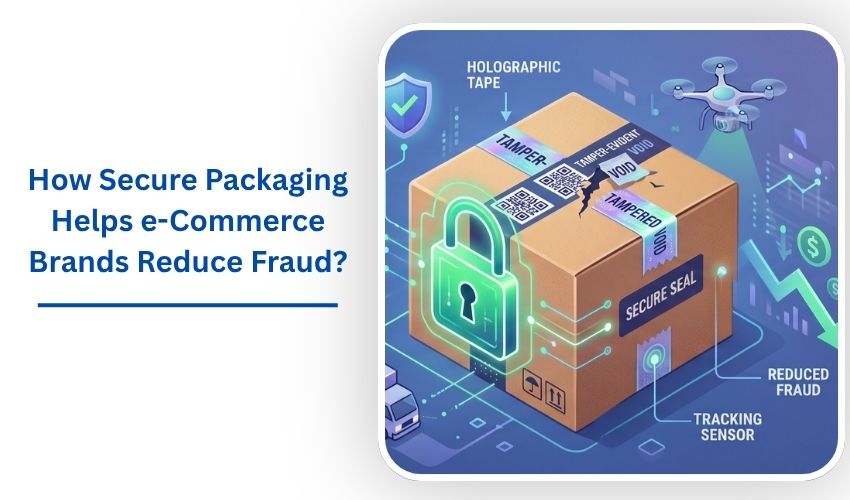
E-commerce has fundamentally changed how people shop. It also opened a few doors that didn't exist before: empty-box returns, product switching at the door, counterfeits slipping into marketplace listings. Secure packaging helps brands close those gaps — or at least make them significantly harder to exploit.
Returns fraud and product switching
A common scam: someone orders a real product, swaps it for a counterfeit or a damaged unit, and ships the fake back for a refund. Without any verifiable packaging security or traceability feature, the seller often has limited grounds to challenge the return.
Tamper-evident seals and destructible holographic labels change that equation. Once removed or tampered with, the label cannot be reapplied without visible evidence of interference. If a return shows up with the seal already broken, that's documented evidence the original packaging was compromised, and it can provide documented evidence that supports return investigation or dispute resolution.
The first physical touchpoint
In online retail, the delivery box is the first thing a customer actually touches. For high-value categories like electronics, cosmetics, jewellery, and apparel, an intact security seal is the proof that nothing was swapped between the warehouse and the doorstep.
This has become increasingly important in modern marketplace ecosystems. The rise of marketplace counterfeits has made consumers more cautious about packaging inconsistencies, and a properly sealed, branded delivery is one of the few visual signals that still reliably reads as "real."
Warehouse and middle-mile tracking with AIDC
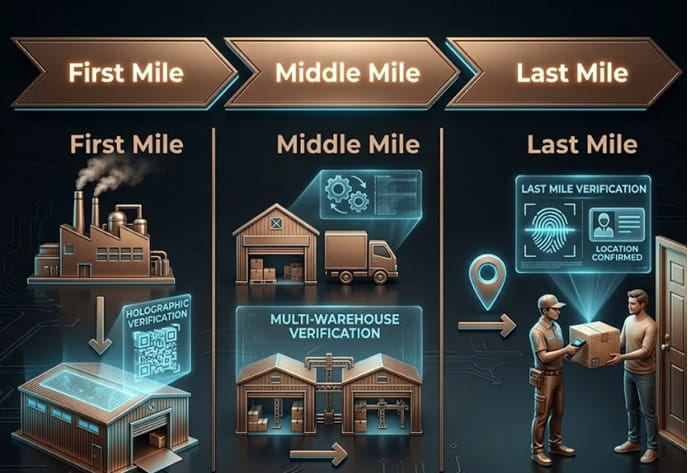
A lot of e-commerce fraud doesn't happen at the customer's end. It happens in the middle: between the fulfilment centre, sorting hub, and last-mile carrier, where unit-level visibility tends to drop.
AIDC (Automatic Identification and Data Capture) solutions, variable data barcodes, RFID tags, and scan-logged checkpoints give brands a continuous record of where each unit is. This audit trail serves two important purposes. It reduces honest human error in the warehouse, and it makes internal theft significantly harder to hide.
FAQs
What's the most effective way to secure a shipping box?
Tamper-evident security tape across the seams, ideally with a destructible holographic feature. The tape should leave a visible mark if anyone tries to lift or replace it.
How does a brand track a package internally?
Variable data barcodes on the unit, scanned at each handoff: packaging, dispatch, sorting, retailer or last-mile carrier. RFID is used where higher volumes or higher-value goods justify it.
Can secure packaging reduce insurance costs?
Sometimes. Logistics and shipment insurance providers do offer better rates to brands that can demonstrate tamper-evident and trackable packaging, particularly in high-loss categories. Brands should consult their insurance providers for category-specific assessment criteria.
What's an induction sealing wad?
A liner that sits under a bottle cap and bonds to the rim using induction heat, creating an airtight seal. Common in e-commerce for liquids, oils, and powders, both to prevent leakage in transit and to show clearly if the bottle has been opened.
How can a customer verify an e-commerce purchase?
Two checks: confirm the security seals are intact, and scan any QR code printed on the packaging that links back to the brand's authentication portal. A code that fails authentication or redirects to an unverified destination can indicate potential counterfeit risk.
Conclusion
The more e-commerce volume a brand handles, the more fraud surface it has. Returns abuse, internal theft, and counterfeit infiltration all scale with order count, and most of them are addressable at the packaging layer. Holoflex builds security solutions for that layer: induction sealing wads, shrink and tamper-evident labels, holographic tape, and AIDC systems that hold up through the full e-commerce supply chain.
Latest Blogs
How QR Code Authentication and Hologram Labels Work Together to Combat Counterfeiting?
Oct 17, 2026
Anti-Counterfeit Labels for Packaging: How Indian FMCG Brands Prevent Product Duplication in 2026
Sep 28, 2026
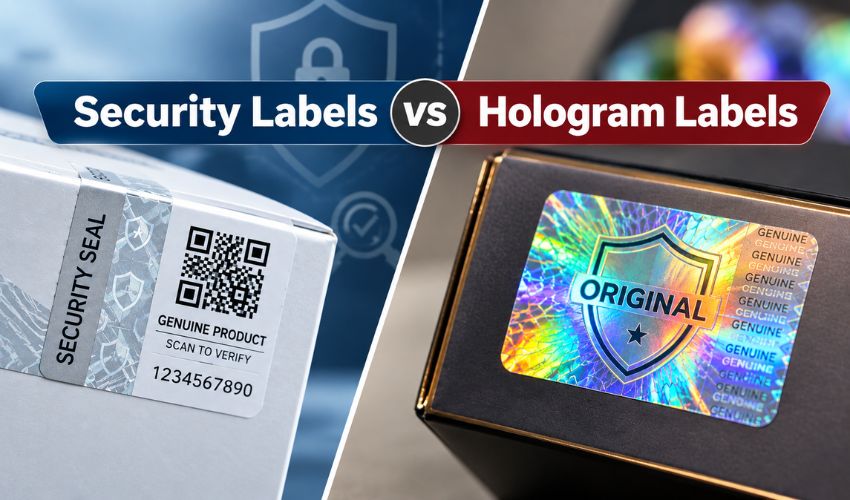
Security Labels vs Hologram Labels: Which Anti-Counterfeit Solution Is Best for Indian Manufacturers?
Sep 18, 2026
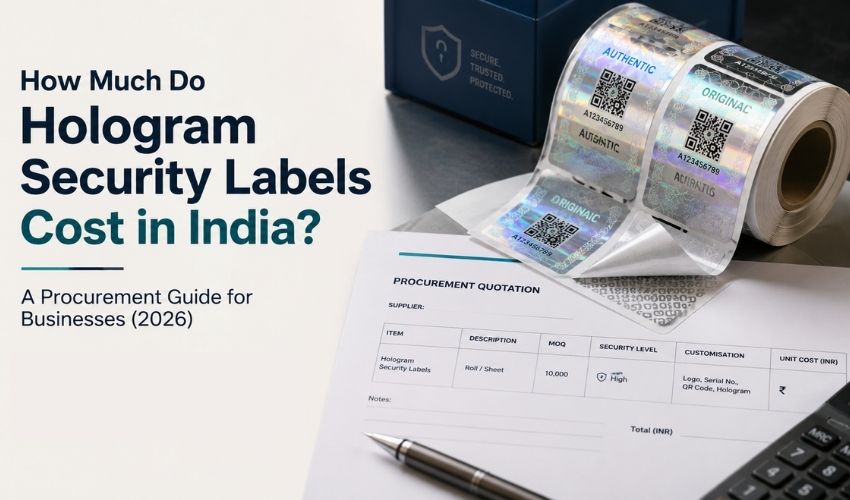
How Much Do Hologram Security Labels Cost in India? A Procurement Guide for Businesses (2026)
Aug 21, 2026
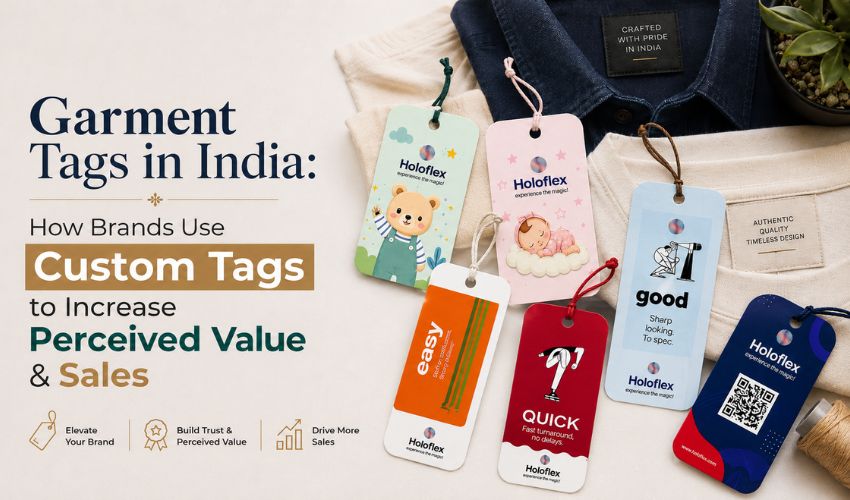
Garment Tags in India: How Brands Use Custom Tags to Increase Perceived Value & Sales
Jul 27, 2026
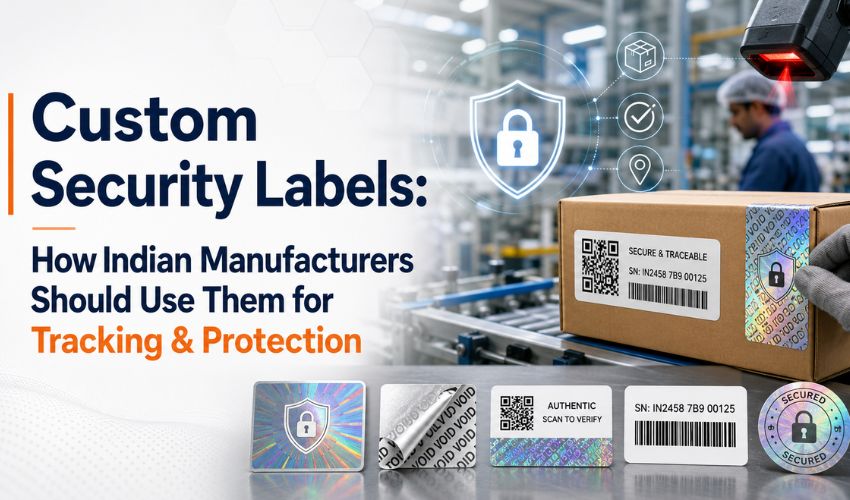
Custom Security Labels: How Indian Manufacturers Should Use Them for Tracking & Protection
Jul 16, 2026
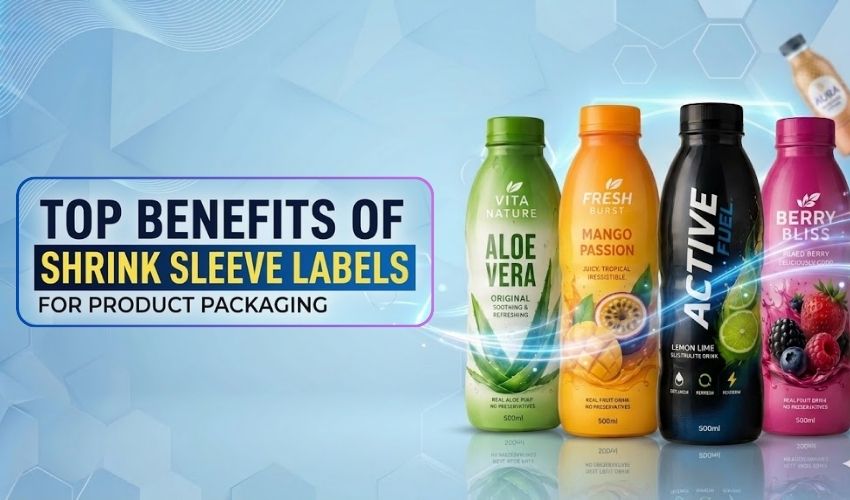
Top Benefits of Shrink Sleeve Labels for Product Packaging
Jun 29, 2026
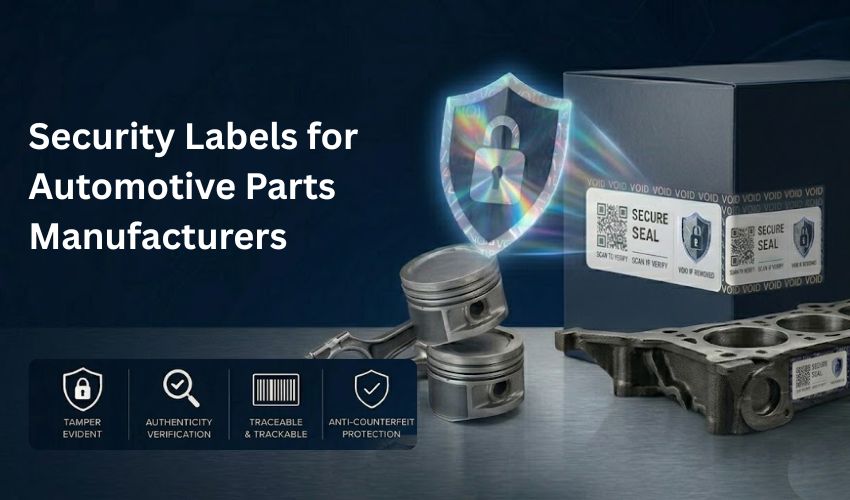
Security Labels for Automotive Parts Manufacturers
Jun 23, 2026

The Evolution of Holographic Technology: From Visual Authentication to Advanced Optical Security
Jun 10, 2026
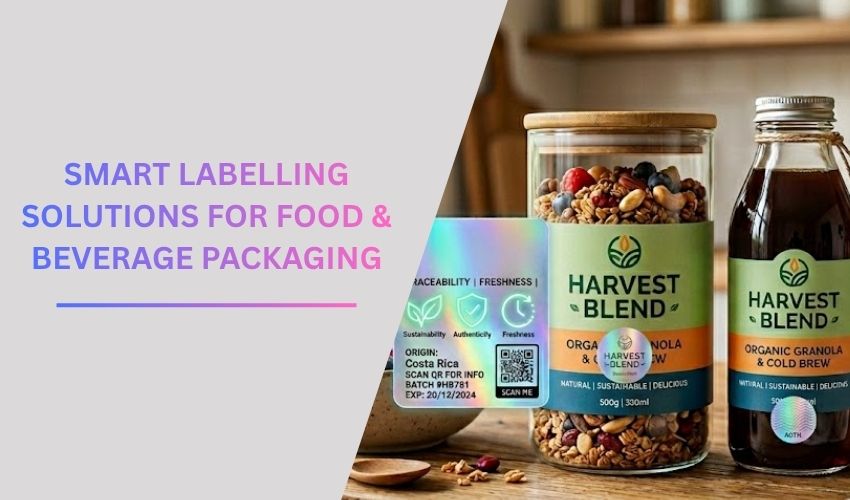
Smart Labelling Solutions For Food & Beverage Packaging
May 25, 2026
How Secure Packaging Helps E-Commerce Brands Reduce Fraud?
May 21, 2026
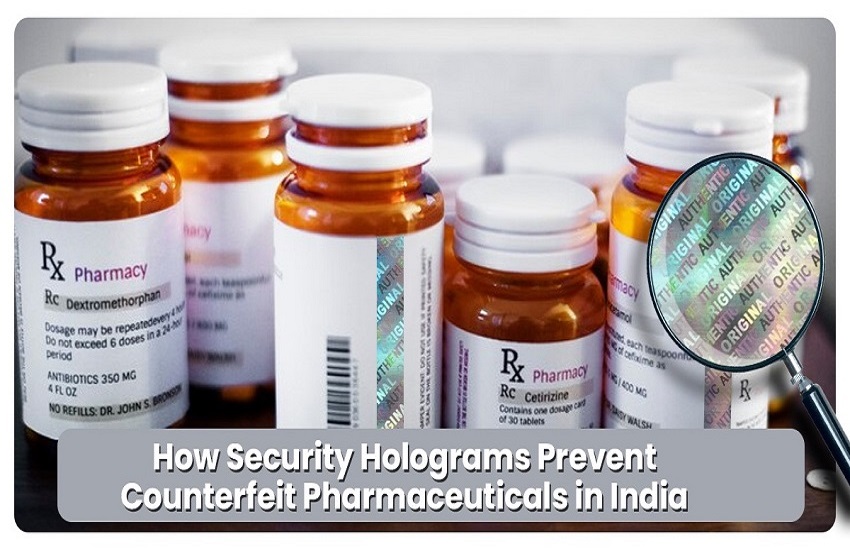
How Security Holograms Prevent Counterfeit Pharmaceuticals in India
Jul 16, 2025
Top 5 Custom Hologram Applications for FMCG Packaging
Jul 24, 2025

How Security Holograms Shield FMCG Packaging from the Rising Counterfeit Menace
Aug 16, 2025

Why Self-Adhesive Labels Are the Smarter Choice for Modern Packaging
Aug 21, 2025
Revolutionizing Brand Protection: Holographic Security Packaging with Integrated Phygital Solutions
Oct 23, 2025
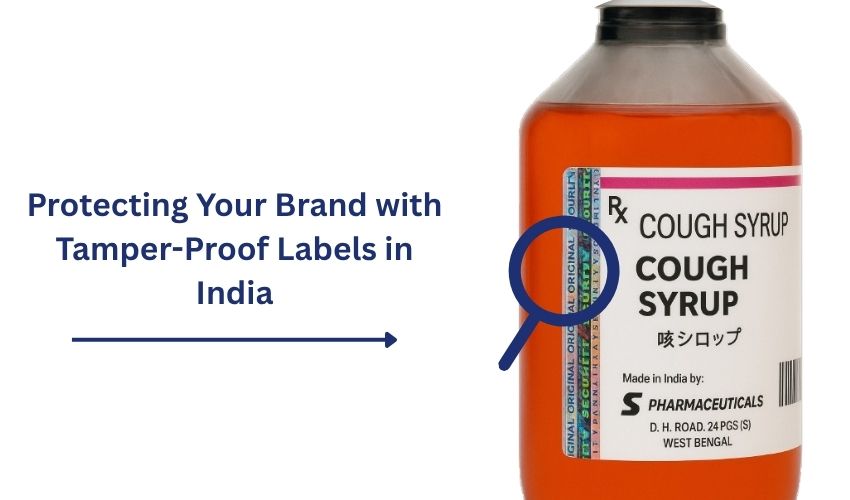
Protecting Your Brand with Tamper-Evident Labels in India
Oct 30, 2025
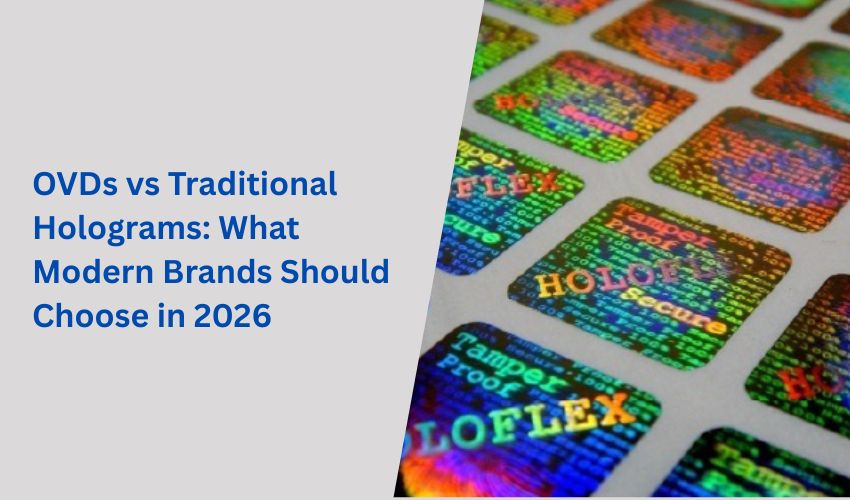
OVDs vs Traditional Holograms: What Modern Brands Should Choose in 2026
Dec 19, 2025
Eco-Friendly Label Materials: How Brands Can Reduce Packaging Waste Without Losing Security
Jan 06, 2026
The Rise of OVD-Led Authentication - Where Design and Advanced Authentication Converge
Feb 12, 2026
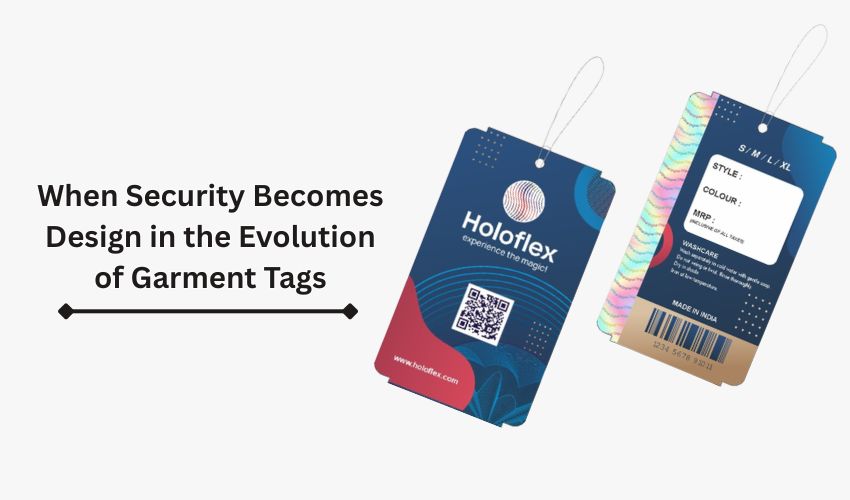
When Security Becomes Design in the Evolution of Garment Tags?
Feb 24, 2026
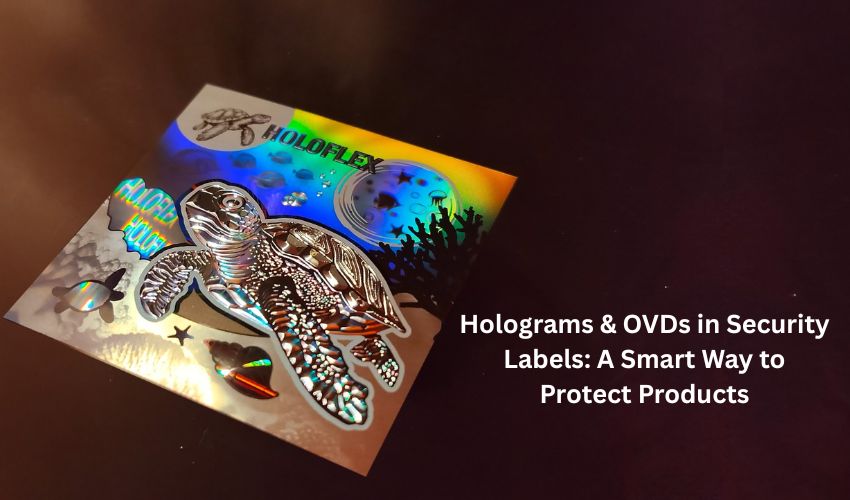
Holograms & OVDs in Security Labels and Stickers: A Smart Way to Protect Products
Mar 17, 2026
Customised Packaging Labels in India: A Complete Guide for Businesses
Mar 24, 2026
How Advanced OVD Technology is Transforming Hologram Security in 2026?
Apr 28, 2026