Smart Labelling Solutions For Food & Beverage Packaging
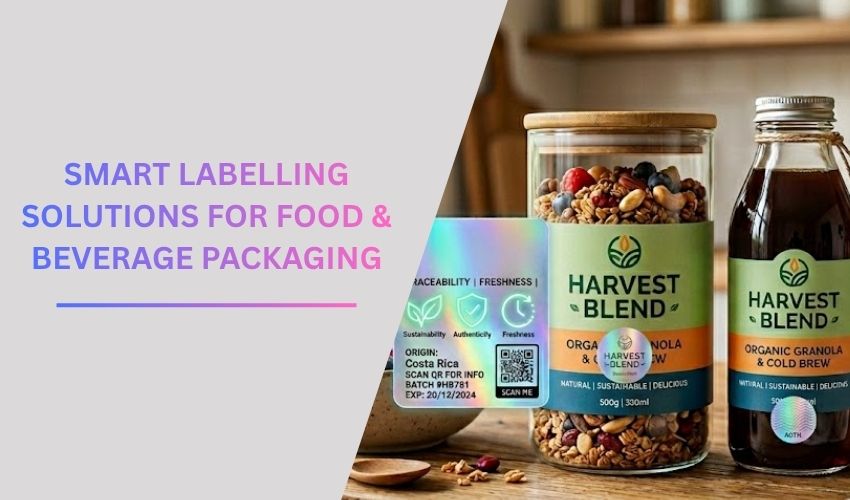
The F&B industry runs on tight margins and tighter timelines. Cold chains have to hold. Shelf lives are measured in days. And the easier a category is to copy, the more "look-alike" products turn up next to the real one. Smart labelling isn't a luxury upgrade in this environment; it's essential for product integrity, compliance, and consumer trust.
What smart labels actually do
A smart label is more than the printed panel of ingredients and nutrition info. It carries variable data — such as unique batch codes, expiry dates, and scannable identifiers — while incorporating tamper-evident features that visibly indicate if the seal has been compromised.
That tamper-evident piece matters more in F&B than in most categories. A broken seal isn't only a sales concern; it's a food safety issue — one consumers can identify instantly when tamper-evident systems are properly designed.
Shelf presence and consumer engagement
Smart labels also contribute significantly to brand presentation and shelf differentiation. Holographic finishes, embossing, foil treatments, and premium print quality help products achieve stronger shelf visibility and visual differentiation.
The digital side adds another layer. A scan can take a buyer to a recipe, a sourcing story for the ingredient, a freshness check, or a loyalty signup. Consumer interaction rates may vary depending on the category, packaging format, and value proposition, but the option is there, and Brands leveraging these interactions effectively are also gaining valuable first-party consumer insights.
Spoilage and recall control
When something does go wrong, batch-level traceability is the difference between a national recall and a targeted one. Smart labels integrated with AIDC (Automatic Identification and Data Capture) systems log each unit's path from production to retail. If a contamination issue arises, the affected batches can usually be isolated to specific production runs, lots, or regions, rather than initiating large-scale product withdrawals.
FAQs
What materials are used for F&B smart labels?
Specialised paper, plastic, or foil, depending on storage, handling, and environmental conditions. Refrigerated and frozen products need substrates that hold up to moisture and temperature swings; dry goods can use simpler substrates.
How do tamper-evident labels work in food packaging?
They're designed to leave behind visible evidence if opened: a "void" pattern, a torn band, a cap seal that doesn't reseat. The objective is to ensure that any unauthorised opening is immediately visible without detailed inspection.
Can smart labels help with "Best Before" dates?
Yes. Variable data printing lets every label carry its own batch and expiry information, scannable for inventory systems and visible to the consumer.
Are these labels eco-friendly? A growing number are. Recyclable and compostable substrates, water-based adhesives, and lighter-weight materials are all in regular production now, though material selection ultimately depends on the packaging application and supply-chain requirements.
How does holography help in food packaging?
Advanced holographic and OVD features are significantly more difficult to replicate accurately at scale. For brands that get targeted by counterfeiters, especially in oils, dairy, spices, and packaged snacks, a holographic feature is one of the most effective visual authentication deterrents available.
Conclusion
In F&B, labels today play a far more strategic role than conventional packaging identifiers : shelf appeal, safety signal, traceability tag, marketing surface. Getting it right takes a partner who understands the category, not just the printing. Holoflex builds labelling and authentication solutions for FMCG and F&B brands, combining tamper-evident security, variable data printing, and holographic features in formats that hold up across the supply chain.
Latest Blogs
How QR Code Authentication and Hologram Labels Work Together to Combat Counterfeiting?
Oct 17, 2026
Anti-Counterfeit Labels for Packaging: How Indian FMCG Brands Prevent Product Duplication in 2026
Sep 28, 2026
Security Labels vs Hologram Labels: Which Anti-Counterfeit Solution Is Best for Indian Manufacturers?
Sep 18, 2026
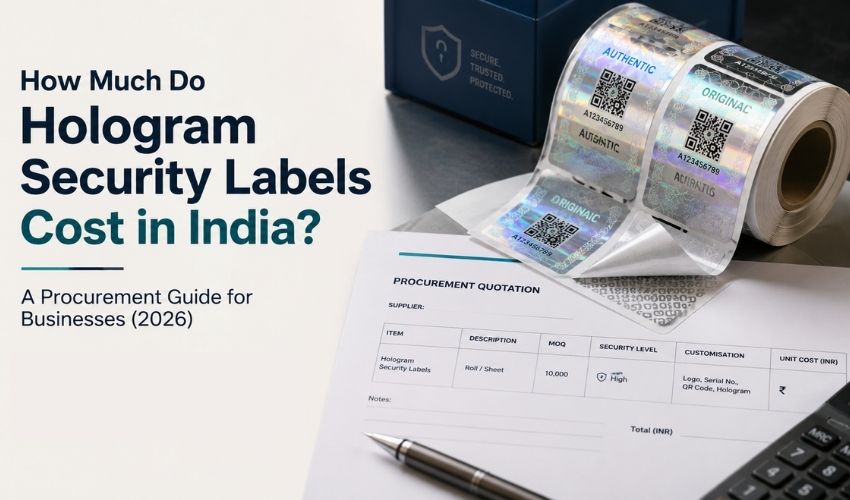
How Much Do Hologram Security Labels Cost in India? A Procurement Guide for Businesses (2026)
Aug 21, 2026
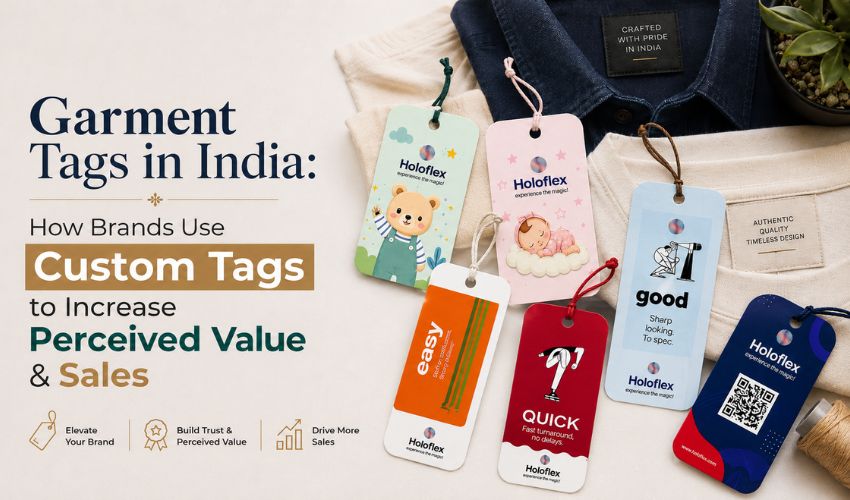
Garment Tags in India: How Brands Use Custom Tags to Increase Perceived Value & Sales
Jul 27, 2026
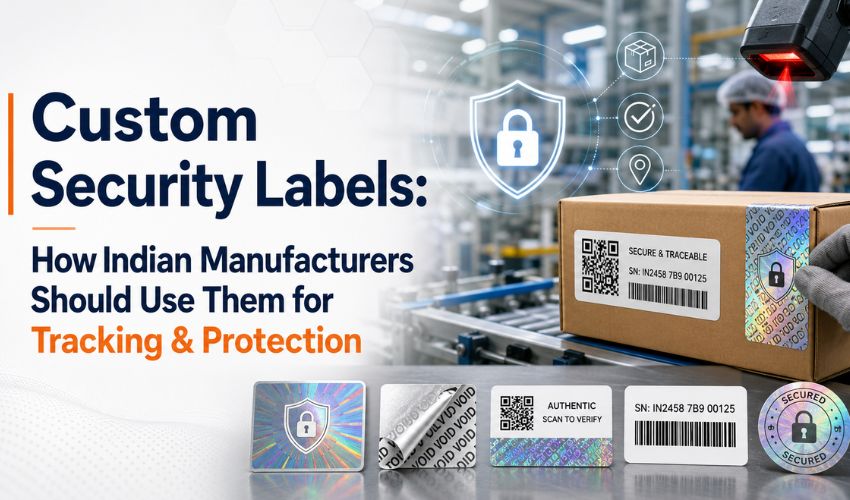
Custom Security Labels: How Indian Manufacturers Should Use Them for Tracking & Protection
Jul 16, 2026
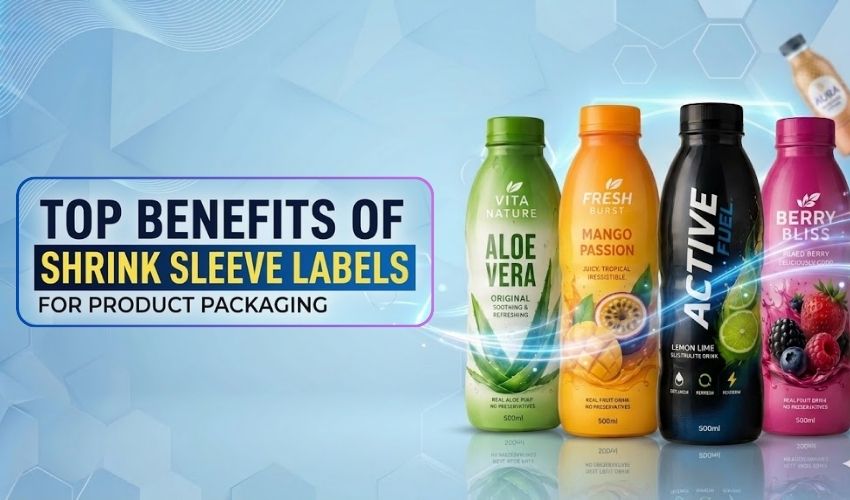
Top Benefits of Shrink Sleeve Labels for Product Packaging
Jun 29, 2026
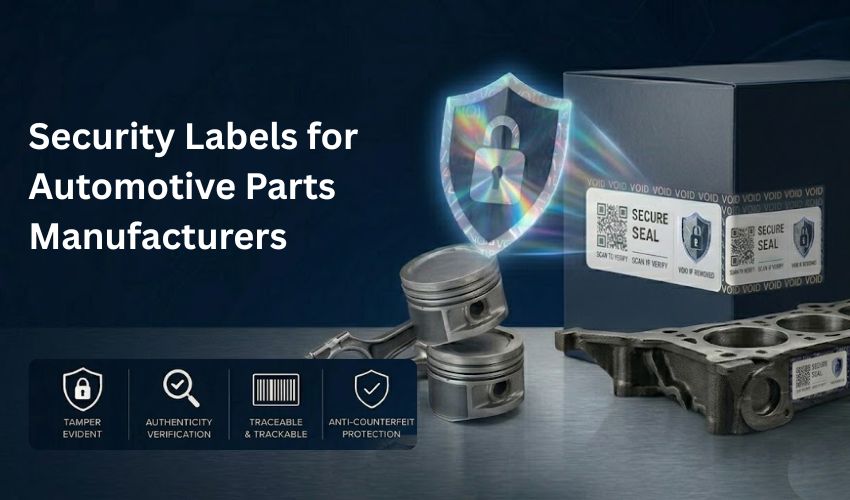
Security Labels for Automotive Parts Manufacturers
Jun 23, 2026

The Evolution of Holographic Technology: From Visual Authentication to Advanced Optical Security
Jun 10, 2026
Smart Labelling Solutions For Food & Beverage Packaging
May 25, 2026
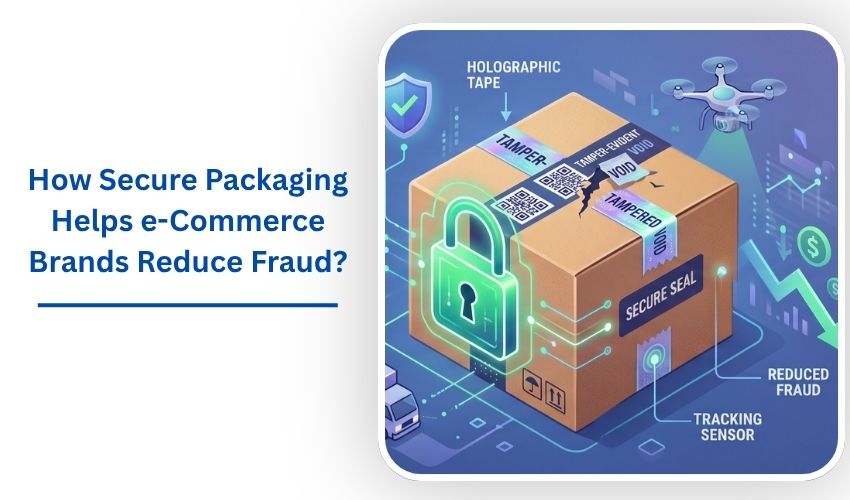
How Secure Packaging Helps E-Commerce Brands Reduce Fraud?
May 21, 2026
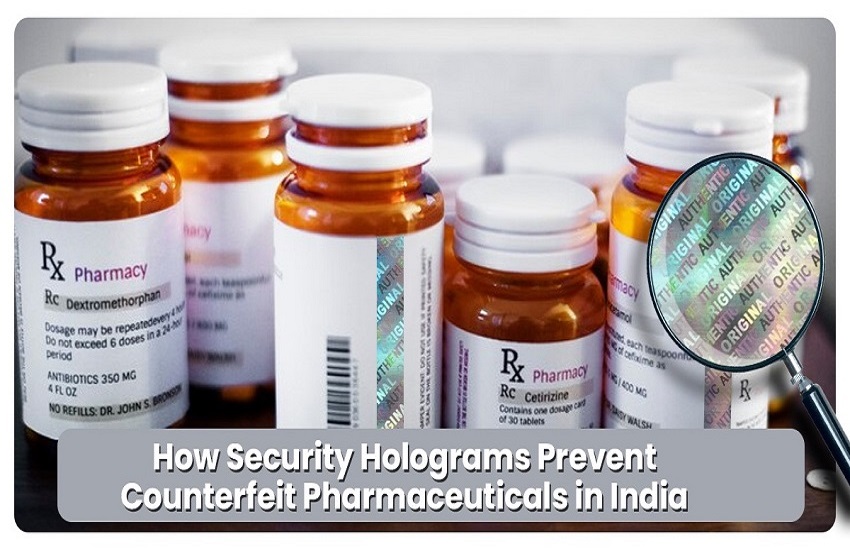
How Security Holograms Prevent Counterfeit Pharmaceuticals in India
Jul 16, 2025
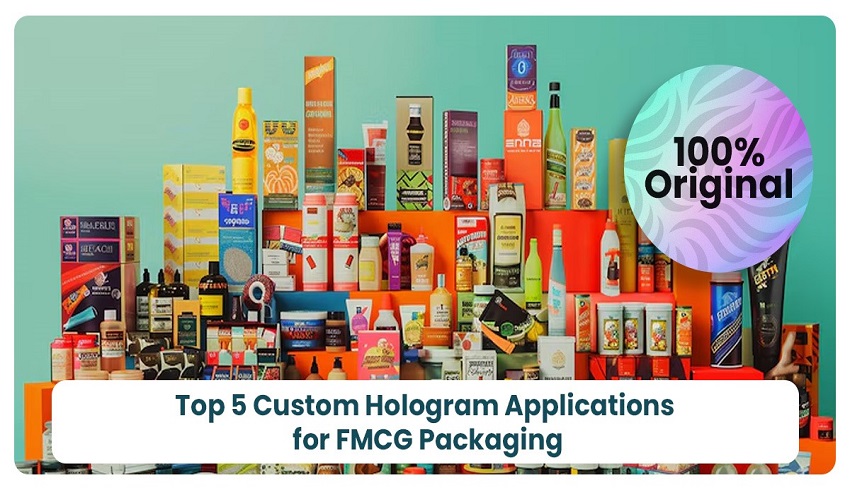
Top 5 Custom Hologram Applications for FMCG Packaging
Jul 24, 2025
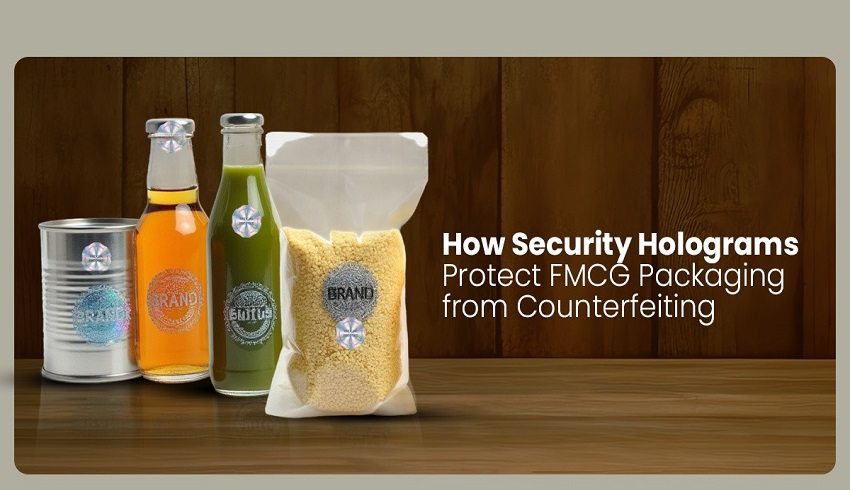
How Security Holograms Shield FMCG Packaging from the Rising Counterfeit Menace
Aug 16, 2025
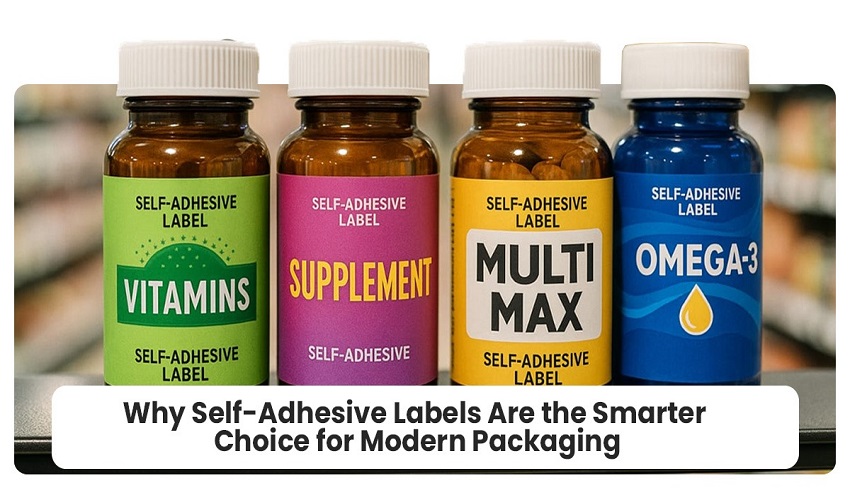
Why Self-Adhesive Labels Are the Smarter Choice for Modern Packaging
Aug 21, 2025
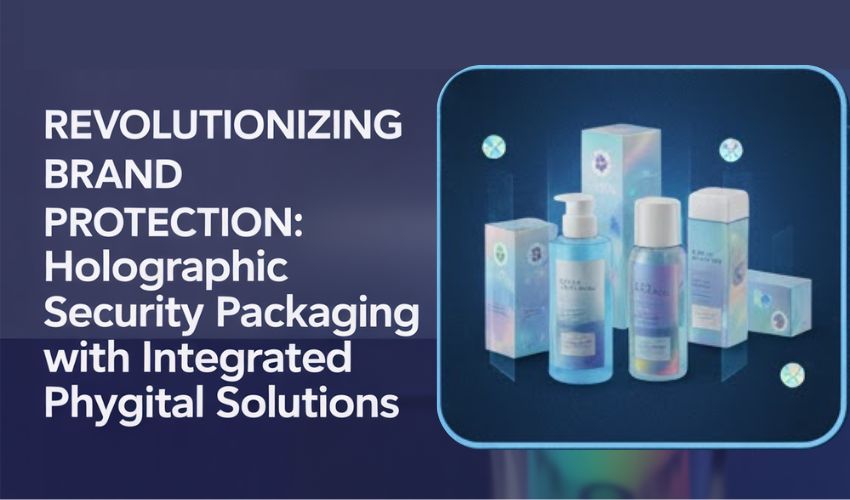
Revolutionizing Brand Protection: Holographic Security Packaging with Integrated Phygital Solutions
Oct 23, 2025
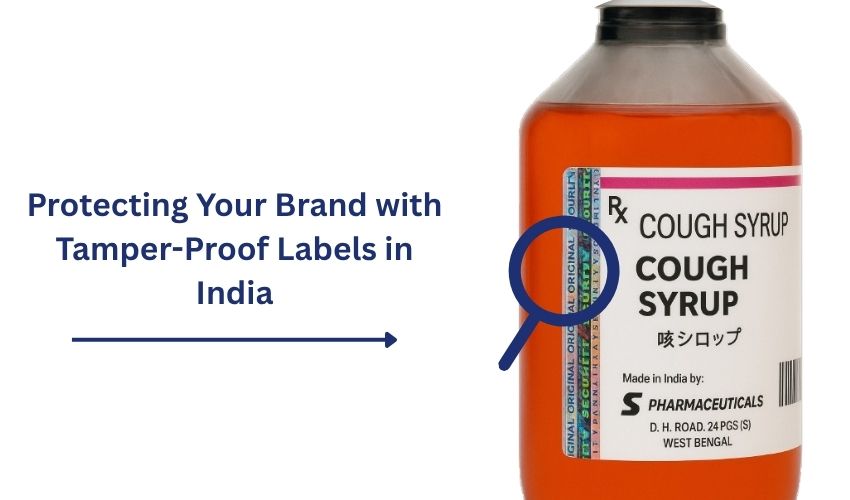
Protecting Your Brand with Tamper-Evident Labels in India
Oct 30, 2025
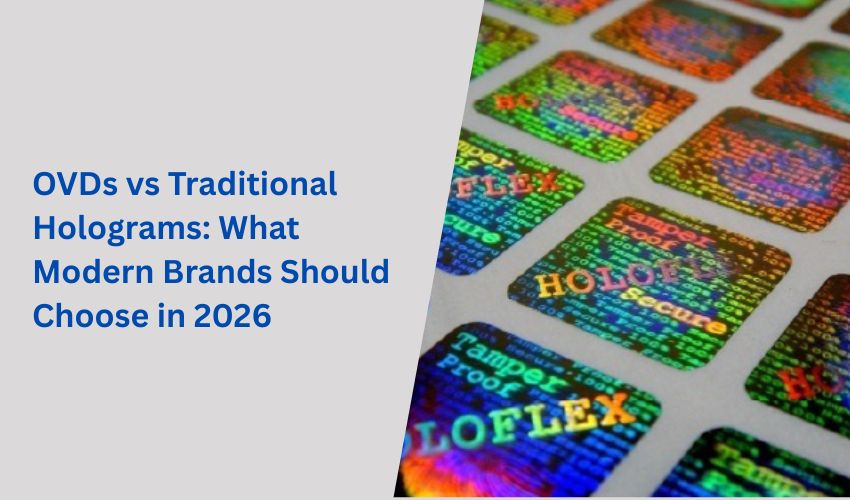
OVDs vs Traditional Holograms: What Modern Brands Should Choose in 2026
Dec 19, 2025
Eco-Friendly Label Materials: How Brands Can Reduce Packaging Waste Without Losing Security
Jan 06, 2026
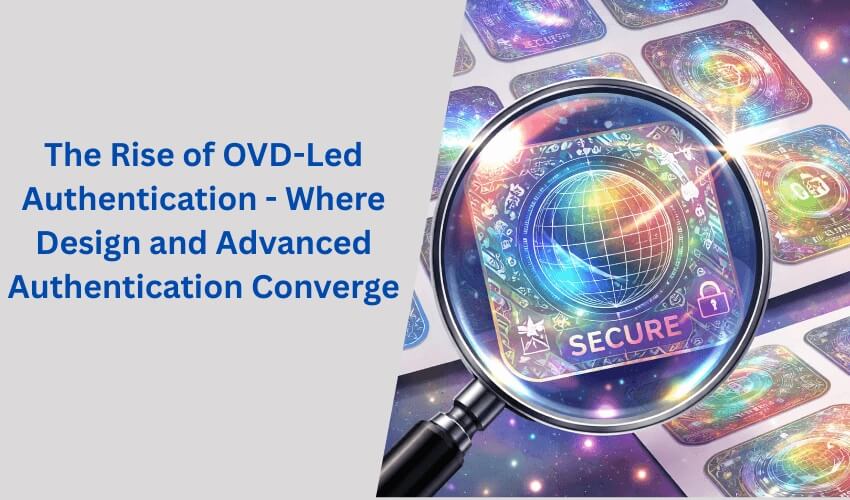
The Rise of OVD-Led Authentication - Where Design and Advanced Authentication Converge
Feb 12, 2026
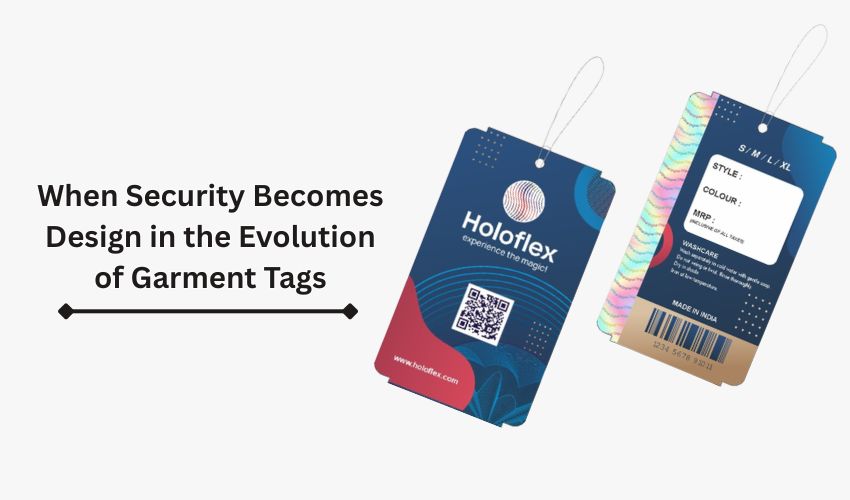
When Security Becomes Design in the Evolution of Garment Tags?
Feb 24, 2026
Holograms & OVDs in Security Labels and Stickers: A Smart Way to Protect Products
Mar 17, 2026
Customised Packaging Labels in India: A Complete Guide for Businesses
Mar 24, 2026
How Advanced OVD Technology is Transforming Hologram Security in 2026?
Apr 28, 2026