Top Benefits of Shrink Sleeve Labels for Product Packaging
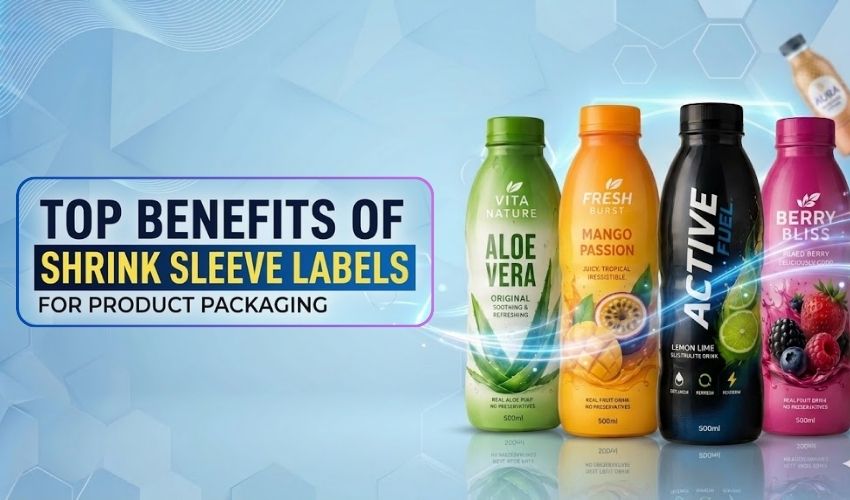
Walk down any beverage or personal care aisle, and the bottles that catch your eye are usually wrapped in colour from top to bottom. No gaps, no bare plastic peeking through, just one continuous design wrapping the whole container. That is almost always a shrink sleeve label, and it has quietly become one of the most widely adopted packaging solutions across the food & beverage, pharmaceutical, cosmetics, personal care, and household products industries.
If you are weighing up shrink sleeves against a standard pressure-sensitive label for your own product, this guide walks through what they actually are, why brands keep choosing them, and what they bring to the table beyond looking good on a shelf.
What Are Shrink Sleeve Labels and How Do They Work?
A shrink sleeve begins as a printed plastic film that is formed into a tube and slipped over a bottle, jar, or other container before the product is sealed and shipped out for sale. Once it is in place, the container passes through a short burst of heat, either from a steam tunnel or a hot air system, and the film tightens around the container until it hugs every contour.
Most shrink sleeves are made from PVC, PET-G, or specialised polyolefin films, typically around 40 microns thick. PET-G has become especially popular because it shrinks cleanly around complex shapes and tends to be viewed more favourably from a recycling standpoint than PVC.
One important feature of shrink sleeve printing is that the artwork is typically reverse printed on the inner surface of the film. Instead of printing on the outer surface, the way you might with a normal label, the design is printed on the inside of the film. That means the printed graphics sit underneath a layer of protective plastic rather than being exposed directly to handling, friction, and weather during transport and storage. It is a small technical choice with a noticeable practical payoff.
Why Do Brands Prefer Shrink Sleeve Labels for 360-Degree Product Decoration?
One of the key functional advantages of a shrink sleeve lies in its ability to provide near 360-degree decoration. A standard label sits on the front of a bottle and leaves the back, sides, and shoulders bare or covered in plain plastic. A shrink sleeve wraps the entire surface, turning the whole container into a single canvas.
That extra real estate solves a problem a lot of brand teams quietly struggle with. Nutritional panels, ingredient lists, usage instructions, and regulatory text all have to go somewhere, and on a standard label, they usually compete directly with the logo and the visual identity for space. With a shrink sleeve, the primary branding elements can occupy the front panel while regulatory and product information can be placed around the remaining surface without compromising visual impact.
This is also why shrink sleeves work so well on containers that are not simple cylinders. Curved bottles, tapered containers, ribbed grips, and contoured profiles are all difficult to label cleanly with a flat adhesive label, since flat material does not bend well around tight curves without wrinkling. A shrink film, by contrast, is designed to shrink and conform, so it follows the shape of the container instead of fighting against it. Brands that want a distinctive bottle silhouette are not boxed in by what a flat label can handle.
How Do Shrink Sleeve Labels Improve Product Visibility and Consumer Engagement?
On a crowded shelf, a few seconds of attention is often all a product gets, and a shrink sleeve is built to use that window well. Because the design wraps the full container, colours and graphics read as bold and continuous rather than broken up by a small label panel surrounded by bare plastic.
Beyond product visibility, shrink sleeve labels allow brands to create premium shelf appeal through uninterrupted graphics, metallic effects, holographic enhancements, and high-definition printing. The combination of visual aesthetics and structural decoration helps products stand out while reinforcing perceived brand value
The print quality also tends to hold up. Since the artwork sits under a protective layer of film, the gloss and colour vibrancy that look good on day one tend to still look good after weeks of handling, stacking, and shipping. Brands that have invested in distinctive packaging design do not want that work to fade or scuff before the product even reaches the shopper.
There is also a practical side to engagement that goes beyond looks. With the full container available as a printable surface, brands have room to add things like usage tips, a short brand story, a recipe, or a QR code that leads to more content, without sacrificing the main visual identity up front. Consumers gain access to richer product information and interactive brand experiences without compromising the package's visual hierarchy.
What Are the Sustainability Benefits of Modern Shrink Sleeve Packaging?
Sustainability is probably the area where shrink sleeves have changed the most in recent years, and where a lot of outdated assumptions still linger. PVC sleeves, which were common for a long time, are genuinely difficult to recycle, and many brands have already moved away from them for that reason.
PET-G has become a preferred material for many applications because it offers excellent shrink performance and can better support recycling systems when compatible sleeve designs and recycling practices are adopted. It is not a perfect fit yet. If a PET-G sleeve is not properly separated from a PET bottle during recycling, it can still cause contamination, which is why perforated sleeves designed for easy removal and floatable inks that separate cleanly during the wash stage have become more common.
OPS (Oriented Polystyrene) film is another option some brands lean on for squeezable or softer containers, since it shrinks at lower temperatures and gives a slightly more consistent finish, though it brings its own recycling considerations. None of these materials is flawless, but the direction of travel is clear. Brands today have meaningfully better choices than they did five or ten years ago, and the gap between shrink sleeves and other label formats on sustainability has narrowed considerably.
For brand owners with packaging sustainability targets, the discussion is no longer about whether shrink sleeves can support sustainability, but about selecting the right material and design. It is a more specific conversation about material choice, perforation design, ink selection, and whether local recycling infrastructure can actually handle what is being put into the market.
How Do Shrink Sleeve Labels Provide Tamper Evidence and Product Protection?
Beyond branding, shrink sleeves do a quiet but important job around product security. A sleeve that runs over the cap or closure of a bottle becomes tamper-evident almost as a side effect of how it is applied. Once it has shrunk into place, there is no way to open the container without visibly disturbing or tearing the film, providing consumers with an immediate visual indication if the package has been previously opened.
Many brands take this a step further by adding a holographic stripe incorporating Optical Variable Devices (OVDs), including holographic security features or tape onto the sleeve as a dedicated authentication feature. Combined with QR-based verification or serialization, shrink sleeve packaging can also empower consumers to verify product authenticity instantly using a smartphone. An authentic holographic security feature exhibits distinctive optical effects that are extremely difficult to replicate using conventional printing or imaging technologies, shifting colour and depth as the angle changes, which enables shoppers and retail personnel to quickly verify product authenticity. For categories like pharmaceuticals, nutraceuticals, and premium spirits, this kind of visible reassurance has become close to an expectation rather than a nice extra.
It is also worth remembering that a shrink sleeve, because of how it is reverse printed and bonded around the container, tends to resist the kind of casual tampering or relabeling that than conventional pressure-sensitive labels. For brands dealing with grey market issues or counterfeit risk in certain regions, that structural resistance adds a layer of protection that exists before any additional security feature is even considered.
Shrink sleeve packaging has become particularly popular in beverages, nutraceuticals, personal care, and premium cosmetic products where shelf differentiation directly influences purchase decisions.
Conclusion
Shrink sleeve labels solve a few different problems at once. They give brands a full container worth of space to tell their story, they hold up well through the rough realities of shipping and shelf time, advances in material technology have significantly improved the sustainability profile of shrink sleeve packaging, and they offer a genuine layer of tamper evidence almost for free, with room to add more security on top if the category calls for it.
If you are exploring shrink sleeves for an upcoming product or packaging refresh, Holoflex combines advanced printing, holographic OVD technologies, tamper-evident features, and customized shrink sleeve solutions to help brands achieve the right balance between premium aesthetics, product security, and consumer trust.
Get in touch with Holoflex to talk through the right shrink sleeve solution for your product at https://www.holoflex.com
FAQs
1. What are the main benefits of shrink sleeve labels for product packaging?
Shrink sleeve labels offer 360-degree branding, high-quality graphics, tamper-evident sealing, durability, and compatibility with various container shapes.
2. Why are shrink sleeve labels better than traditional pressure-sensitive labels?
Shrink sleeve labels provide complete container coverage, greater design flexibility, improved shelf visibility, and enhanced branding opportunities compared to traditional labels.
3. Which industries commonly use shrink sleeve labels?
Industries such as food and beverages, pharmaceuticals, cosmetics, personal care, household products, and nutraceuticals widely use shrink sleeve labels.
4. Are shrink sleeve labels environmentally friendly?
Many modern shrink sleeve labels are manufactured using recyclable or sustainable materials and are designed to support circular packaging initiatives.
5. Can shrink sleeve labels be used as tamper-evident seals?
Yes, shrink sleeve labels can function as tamper-evident bands or full-body seals, helping brands improve product security and consumer confidence.
Latest Blogs
Anti-Counterfeit Labels for Packaging: How Indian FMCG Brands Prevent Product Duplication in 2026
Sep 28, 2026
Security Labels vs Hologram Labels: Which Anti-Counterfeit Solution Is Best for Indian Manufacturers?
Sep 18, 2026
How Much Do Hologram Security Labels Cost in India? A Procurement Guide for Businesses (2026)
Aug 21, 2026
Garment Tags in India: How Brands Use Custom Tags to Increase Perceived Value & Sales
Jul 27, 2026
Custom Security Labels: How Indian Manufacturers Should Use Them for Tracking & Protection
Jul 16, 2026
Top Benefits of Shrink Sleeve Labels for Product Packaging
Jun 29, 2026
Security Labels for Automotive Parts Manufacturers
Jun 23, 2026

The Evolution of Holographic Technology: From Visual Authentication to Advanced Optical Security
Jun 10, 2026
Smart Labelling Solutions For Food & Beverage Packaging
May 25, 2026
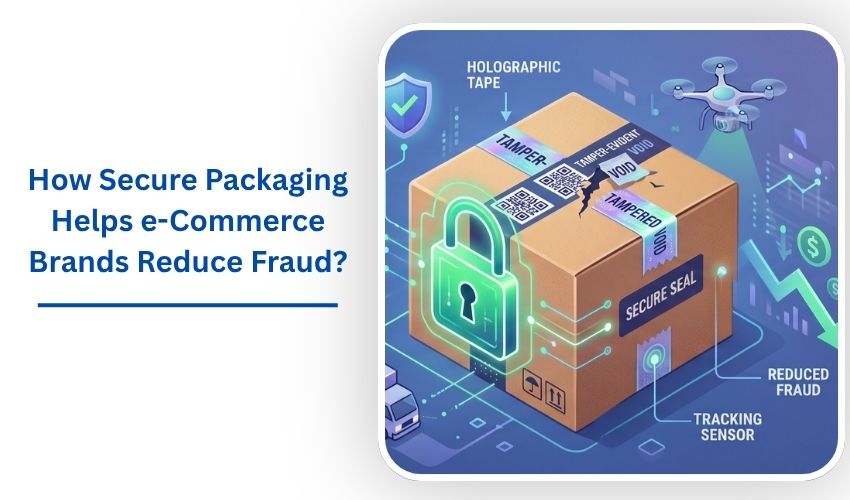
How Secure Packaging Helps E-Commerce Brands Reduce Fraud?
May 21, 2026
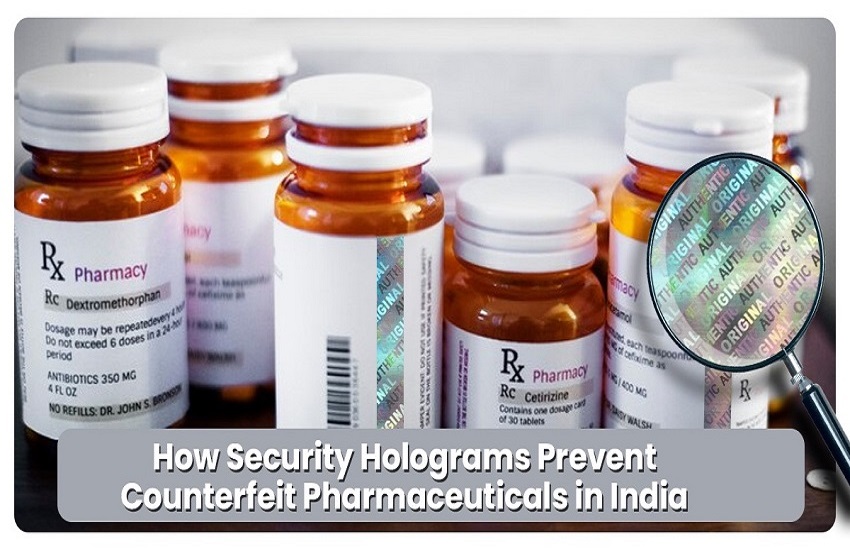
How Security Holograms Prevent Counterfeit Pharmaceuticals in India
Jul 16, 2025
Top 5 Custom Hologram Applications for FMCG Packaging
Jul 24, 2025
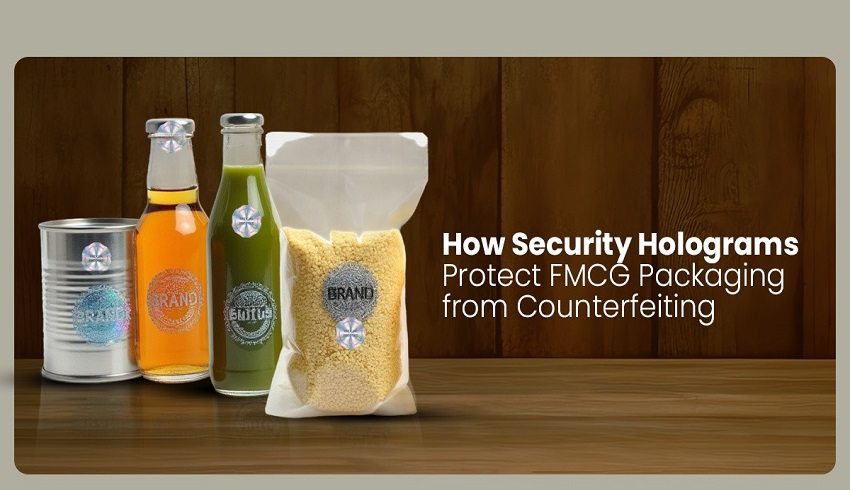
How Security Holograms Shield FMCG Packaging from the Rising Counterfeit Menace
Aug 16, 2025
Why Self-Adhesive Labels Are the Smarter Choice for Modern Packaging
Aug 21, 2025
Revolutionizing Brand Protection: Holographic Security Packaging with Integrated Phygital Solutions
Oct 23, 2025
Protecting Your Brand with Tamper-Evident Labels in India
Oct 30, 2025
OVDs vs Traditional Holograms: What Modern Brands Should Choose in 2026
Dec 19, 2025
Eco-Friendly Label Materials: How Brands Can Reduce Packaging Waste Without Losing Security
Jan 06, 2026
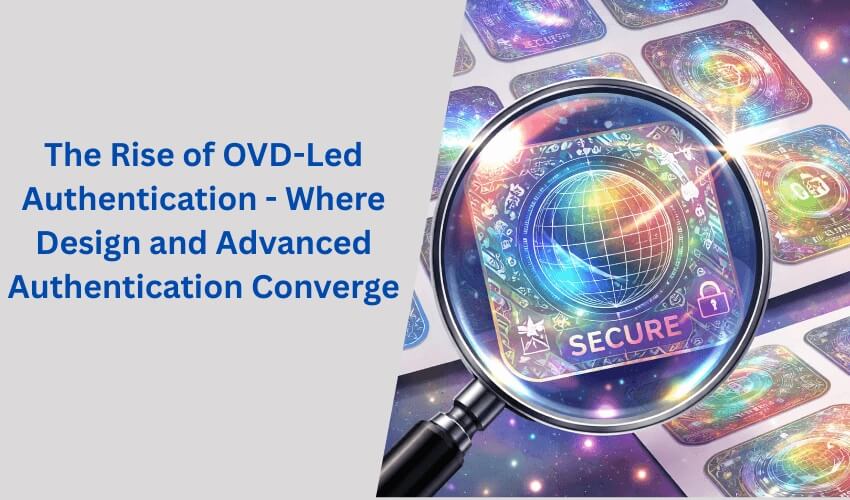
The Rise of OVD-Led Authentication - Where Design and Advanced Authentication Converge
Feb 12, 2026
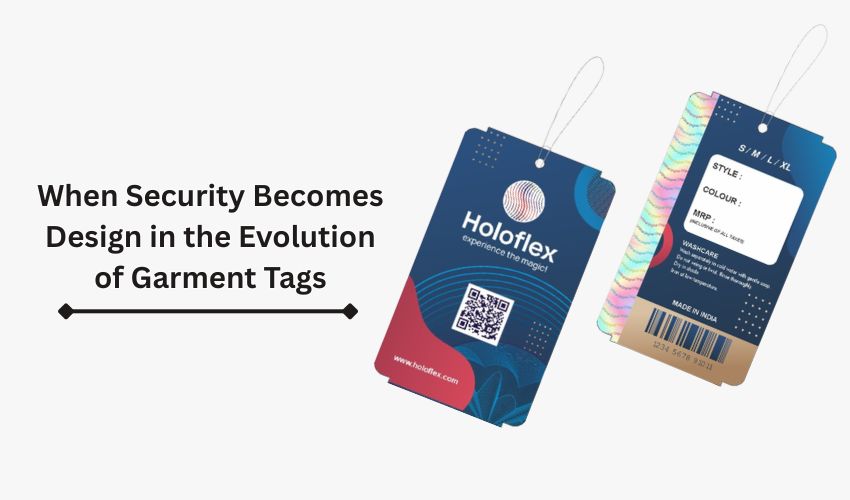
When Security Becomes Design in the Evolution of Garment Tags?
Feb 24, 2026
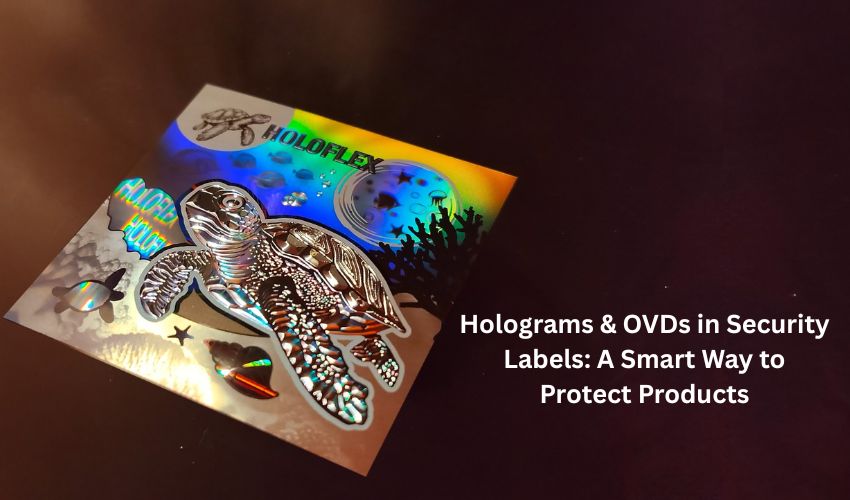
Holograms & OVDs in Security Labels and Stickers: A Smart Way to Protect Products
Mar 17, 2026
Customised Packaging Labels in India: A Complete Guide for Businesses
Mar 24, 2026
How Advanced OVD Technology is Transforming Hologram Security in 2026?
Apr 28, 2026