Security Labels vs Hologram Labels: Which Anti-Counterfeit Solution Is Best for Indian Manufacturers?
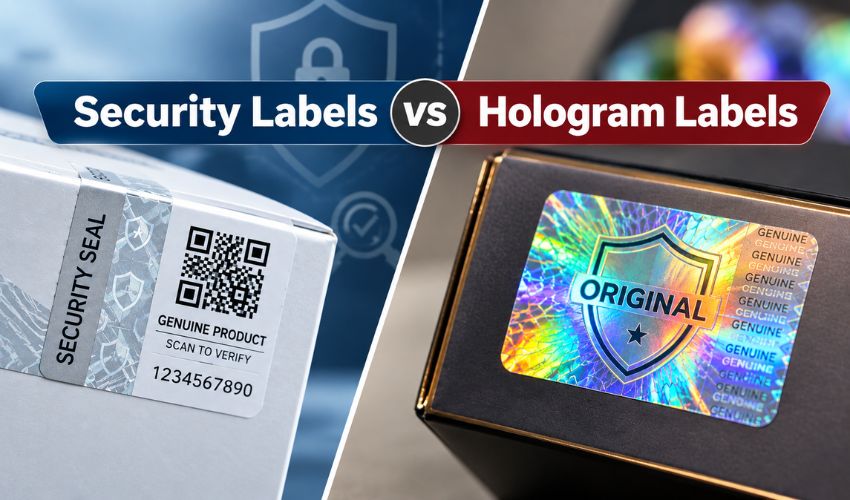
Counterfeit products are no longer limited to luxury goods or expensive electronics. From FMCG and pharmaceuticals to apparel, automotive components and consumer products, counterfeiting is a growing concern for Indian manufacturers.
For manufacturers, the challenge goes beyond simply labelling a product. The right security solution can incorporate features that make unauthorised reproduction more difficult, help customers identify genuine products and, where required, support product tracking and verification.
This is where security labelling and holographic authentication come into the picture.
But which approach is right for your product—or should they work together?
The answer depends on your product, security requirements, budget and how the product needs to be authenticated or tracked.
In this guide, we compare security labelling and hologram-based authentication to help Indian manufacturers choose the right approach for their products.
What Are Security Labels?
Security labels are specially designed labels that combine one or more authentication and anti-counterfeit features to help brands deter unauthorised duplication, detect tampering and verify product authenticity.
Unlike conventional product labels, security labels can incorporate multiple layers of protection, depending on the product, risk level and verification requirement. These may include:
- Tamper-evident & destructible materials
- Unique serialisation and variable data
- QR codes & Data Matrix codes
- Barcodes for identification and tracking
- Holographic & optical security features
- Covert security elements
- Microtext and fine-line security graphics
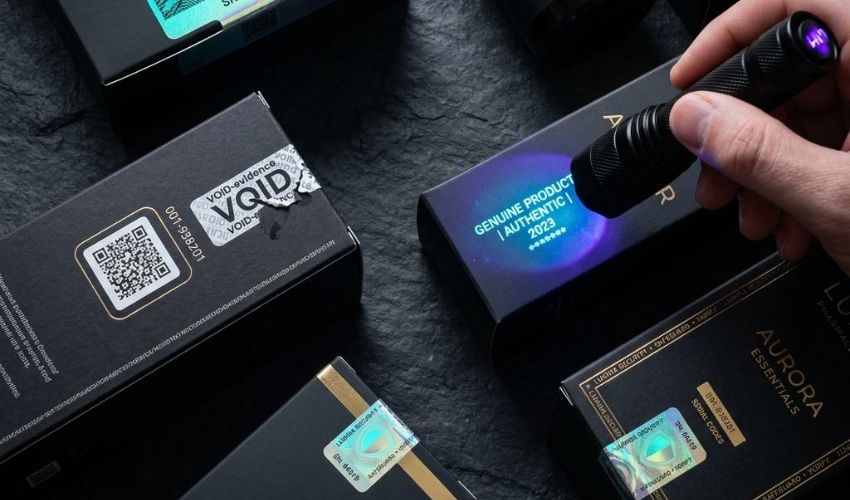
- VOID and other removal-evident features
The key advantage of security labels is customisation. There is no single security feature that works for every product. A manufacturer can combine different technologies to create a solution suited to its specific security, authentication and traceability requirements.
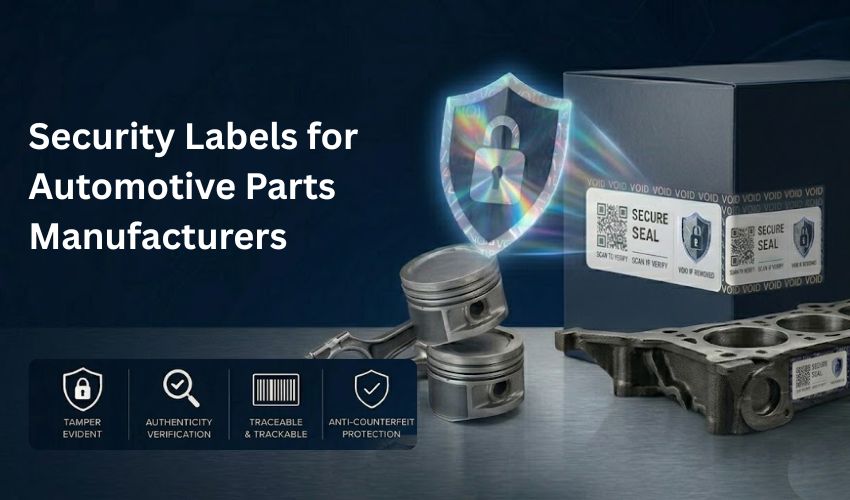
For example, an automotive component manufacturer may use a serialised label with QR-based verification, while a pharmaceutical brand may require a tamper-evident label combined with overt and covert authentication features.
Therefore, security labels are not a single technology—they are a category of customised labelling solutions that can combine physical, visual and digital security features to strengthen product authentication and brand protection.
What Are Hologram Labels?
Hologram labels are security labels that use holographic and optical technologies to create distinctive visual effects that are difficult to reproduce through conventional printing or copying methods.
Their changing appearance—such as shifts in colour, depth and movement as the viewing angle changes—provides an immediate visual authentication cue for consumers, distributors and other stakeholders.
Hologram labels can incorporate a range of customised features, including:
- 2D and 3D holographic effects
- Kinetic and motion effects
- Multiple images and optical elements
- Fine-line security patterns
- Microtext
- Customised logos and designs
- Sequential numbering and variable data
- Hidden or covert authentication features
Beyond authentication, holograms can also contribute to packaging aesthetics and brand perception. Their distinctive optical effects can make a product look more premium, sophisticated and visibly protected.
However, a hologram should not automatically be treated as a complete anti-counterfeit solution. The level of security depends on how the hologram is designed and the features incorporated into it. For products facing higher counterfeit risks, holographic features can be combined with tamper-evident materials, covert features, serialisation, QR-based authentication and other technologies to create a more comprehensive security solution.
Key Differences in Durability, Cost, and Security Level
The biggest mistake manufacturers make is choosing an anti-counterfeit label based only on its appearance or price.
The right solution depends on what you want the label to achieve.
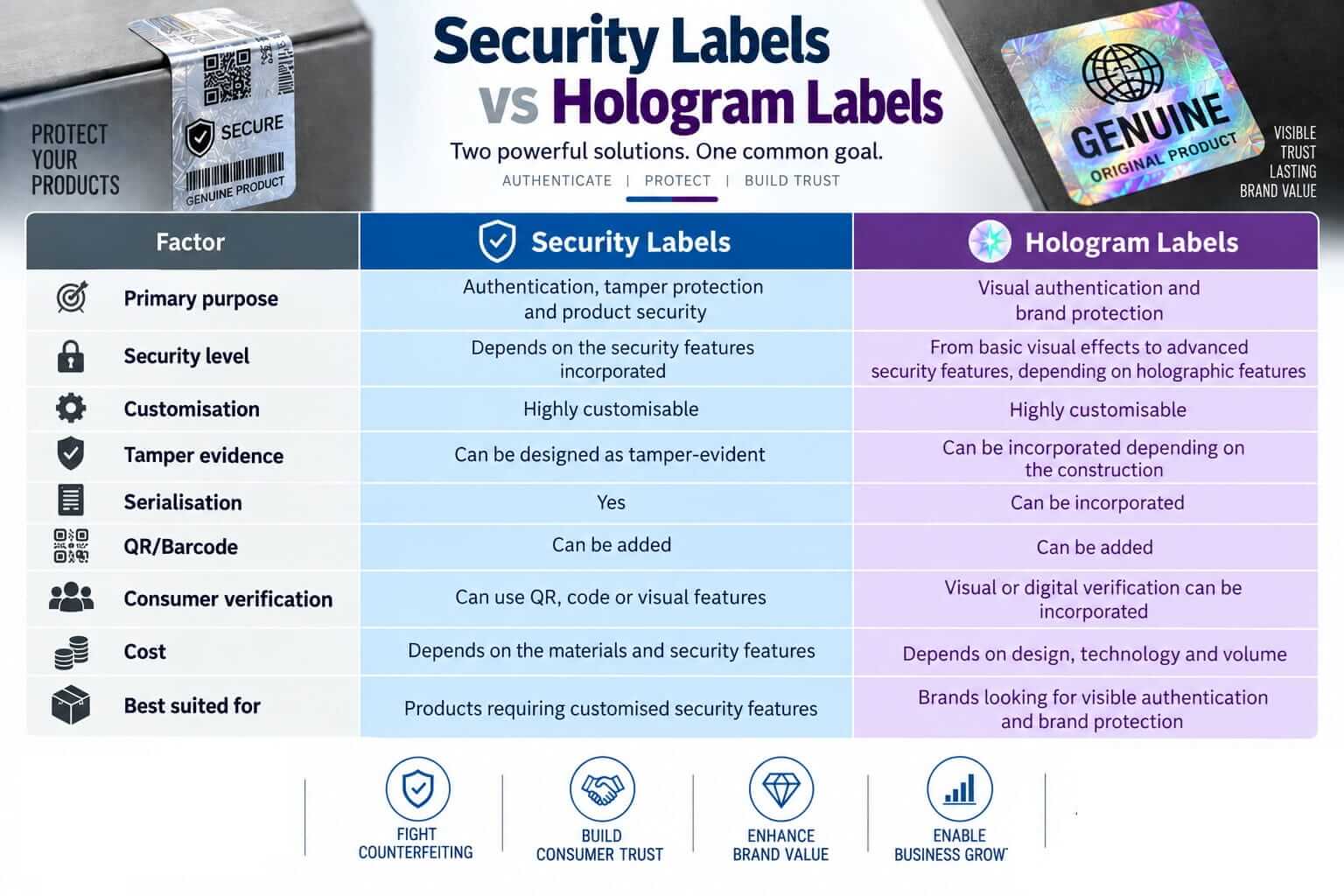
Durability
Durability depends primarily on the label material, adhesive, construction and application environment—not simply on whether it is a security label or a hologram label.
If the product is exposed to moisture, heat, chemicals, friction or outdoor conditions, the label material, adhesive and construction should be selected accordingly.
For example, an automotive component exposed to heat, oils or friction may require a more durable label construction than an FMCG product stored and handled under controlled indoor conditions.
Cost
There is no single fixed price for security labels or hologram labels, because cost depends on the specifications and security features required.
A relatively simple security label may be economical, while a highly customised solution combining multiple authentication, tamper-evident or variable-data features can cost considerably more.
Similarly, hologram labels can range from relatively simple holographic labels to sophisticated customised holographic solutions incorporating advanced optical and security features.
For Indian SMEs, the important question is not:
“Which label is cheaper?”
The better question is:
“What level of security does my product actually need?”
Industry-Wise Recommendations: FMCG, Pharma and Apparel
Different industries face different levels of counterfeiting, tampering and traceability risks. Therefore, the same labelling solution may not work equally well for every manufacturer.
FMCG
FMCG brands typically operate at high volumes, with products moving through distributors, retailers and multiple markets.
Depending on the product and risk profile, manufacturers can consider:
- Hologram labels
- QR-enabled authentication
- Serialised security labels
- Tamper-evident labels
- Brand-specific security designs
For many FMCG products, a hologram combined with a QR-enabled verification system or unique serialisation can provide a balance between visible authentication and digital connectivity.
Pharmaceutical Industry
Pharmaceutical products can require stronger and more layered authentication controls because counterfeit medicines can pose serious risks to consumers.
Depending on the product, regulatory requirements and risk profile, pharma manufacturers may consider combining:
- Unique serial numbers
- QR codes
- Tamper-evident labels
- Hidden or covert security features
- Holographic elements
- Track-and-trace systems
Here, simply adding a standard hologram may not provide sufficient protection on its own.
For pharmaceutical manufacturers, a multi-layer approach can provide stronger authentication than relying on a single visible security feature.
Apparel and Fashion
Counterfeit apparel can dilute brand value, customer trust and revenue by diverting demand away from genuine products.
Hologram labels can be useful in apparel and fashion because they can be:
- Easy to recognise as a visual authentication cue
- Visually attractive
- Customisable with brand elements
- Suitable for tags and packaging
- Intuitive for consumers to recognise and understand
Brands can also integrate QR-enabled verification, allowing customers to access product information or authentication services through their smartphones.
Which One Should Indian SMEs Choose?
For an Indian SME, the decision should start with three practical questions:
1. How valuable or vulnerable is the product?
If the product has relatively low value and low counterfeiting risk, a simpler security solution may be sufficient.
If the product is high-value, frequently counterfeited or vulnerable to diversion, stronger authentication measures should be considered.
2. How easy is it for the intended users to verify the product?
A verification feature is most effective when the intended users—distributors, retailers, field teams or consumers—can use it easily.
A QR code linked to a verification system, a unique serial number or a visually recognisable hologram can make authentication easier, depending on how the solution is implemented.
3. What happens if someone copies your label?
This is an important question that is often overlooked.
If the security features on your label can be easily copied or reproduced, the label may not provide sufficient protection against counterfeiting.
For many SMEs, a practical starting point can be a customised security label combining visible and hidden security features.
For example:
Custom Design + Holographic Element + Unique Serial Number + QR-Enabled Verification
This can provide a more layered approach than relying on a basic label with no additional security features.
Hybrid Solutions: When Both Are Needed
In many cases, the choice does not have to be “security label vs hologram label.”
You can use both.
A hybrid security label can combine holographic elements with other physical, visual and digital security technologies to create multiple layers of protection.
For example:
Hologram + QR Code + Serial Number + Tamper-Evident Material
Each feature can serve a different purpose:
- Hologram: Provides a quick visual authentication cue.
- QR Code: Can direct the user to a verification or product-information page, depending on the system behind it.
- Serial Number: Gives each product or unit a distinct identity and, where supported by a backend system, can enable verification or traceability.
- Tamper-Evident Material: Provides a visible indication if the package or label has been opened, removed or interfered with.
This layered approach can be particularly useful for high-value or frequently counterfeited products, as well as applications such as pharmaceuticals and automotive components where authentication and traceability can be critical.
The key idea is simple:
When the risk of counterfeiting is high, relying on a single security feature may not be enough.
This is a better version for the article because it reinforces the central argument: there isn't a universal “security label vs hologram” winner. The right solution is determined by risk, application, verification method and required security level.
Security Labels vs Hologram Labels: Which Is Better?
There is no universal winner.
The better solution depends on your product, counterfeit risk, application environment and security requirements.
A Simple Decision Guide
Low counterfeiting risk → Basic security label
Moderate risk → Security label + holographic feature
High counterfeiting risk → Hologram + serialisation + QR-enabled verification + tamper-evident features
The important thing is to design the solution around your actual risk and verification requirements, rather than simply choosing the most expensive technology.
Frequently Asked Questions
1. What is the difference between security labels and hologram labels?
Security labels are a broader category of security and anti-counterfeit labelling solutions that can incorporate features such as serialisation, QR-enabled verification, tamper-evident materials, holographic elements and hidden security features.
Hologram labels specifically use holographic and optical technologies to create distinctive visual authentication features.
A hologram can therefore be one of the security features incorporated into a broader security label solution.
2. Which is better for anti-counterfeiting in India?
Neither is automatically better.
For products with relatively low to moderate counterfeiting risk, a customised security label or holographic solution may be sufficient.
For higher-risk products, combining holographic, serialisation, digital verification and tamper-evident features can provide multiple layers of protection.
3. Can security labels and hologram labels be used together?
Yes. In fact, combining them can provide multiple layers of authentication and protection.
A manufacturer can use a hologram for visual authentication and add QR-enabled verification, serialisation, hidden security features or tamper-evident materials for additional layers of security.
4. Which industries use security and hologram labels the most in India?
They are commonly used across industries such as pharmaceuticals, FMCG, apparel, automotive components, electronics, consumer goods and other branded products where authentication, traceability or counterfeit protection is important.
Final Thoughts
Choosing an anti-counterfeit label should not be a simple decision between security labels and hologram labels.
The real questions are:
How much protection does your product need?
What risks are you trying to address?
And how will your customers, distributors or internal teams verify that the product is genuine?
For many Indian manufacturers, a customised solution combining holographic security, unique identification, tamper evidence and digital verification can offer a practical balance between security, usability and cost.
If counterfeiting is already affecting your brand, it is worth evaluating your existing labelling, authentication and verification process before selecting a solution.
The right combination of technologies can make unauthorised reproduction more difficult while making genuine products easier to identify and verify.
Latest Blogs
Anti-Counterfeit Labels for Packaging: How Indian FMCG Brands Prevent Product Duplication in 2026
Sep 28, 2026
Security Labels vs Hologram Labels: Which Anti-Counterfeit Solution Is Best for Indian Manufacturers?
Sep 18, 2026
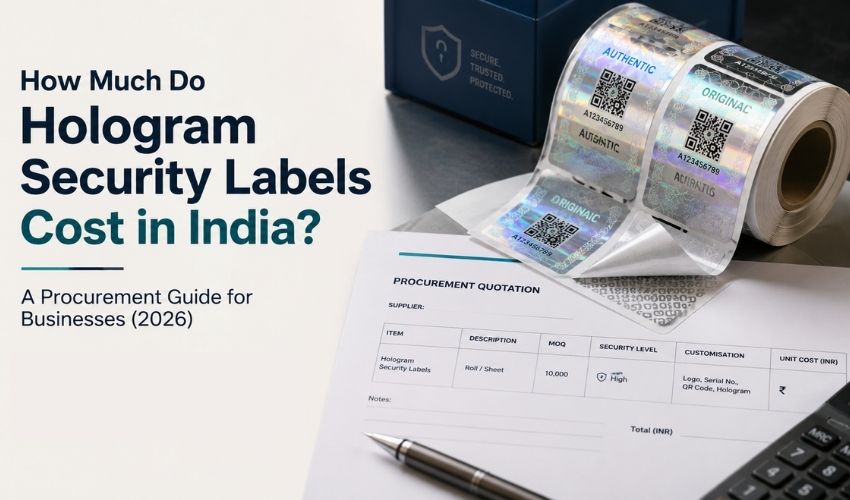
How Much Do Hologram Security Labels Cost in India? A Procurement Guide for Businesses (2026)
Aug 21, 2026
Garment Tags in India: How Brands Use Custom Tags to Increase Perceived Value & Sales
Jul 27, 2026
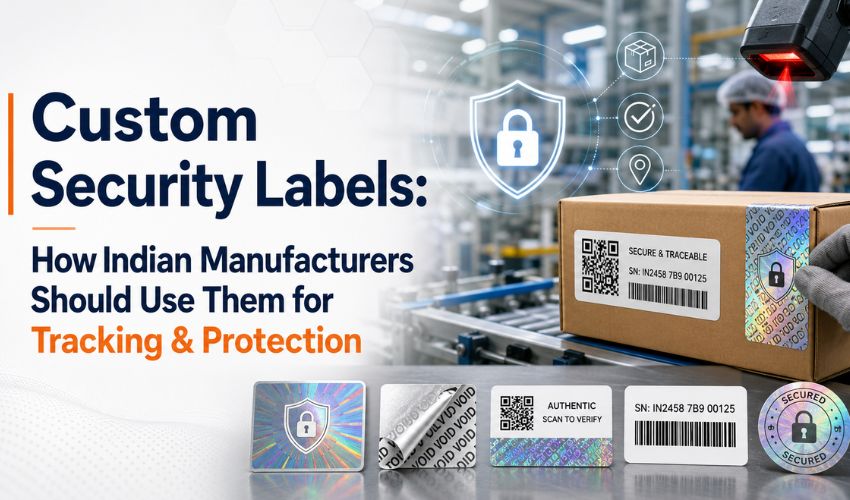
Custom Security Labels: How Indian Manufacturers Should Use Them for Tracking & Protection
Jul 16, 2026
Top Benefits of Shrink Sleeve Labels for Product Packaging
Jun 29, 2026
Security Labels for Automotive Parts Manufacturers
Jun 23, 2026

The Evolution of Holographic Technology: From Visual Authentication to Advanced Optical Security
Jun 10, 2026
Smart Labelling Solutions For Food & Beverage Packaging
May 25, 2026
How Secure Packaging Helps E-Commerce Brands Reduce Fraud?
May 21, 2026
How Security Holograms Prevent Counterfeit Pharmaceuticals in India
Jul 16, 2025
Top 5 Custom Hologram Applications for FMCG Packaging
Jul 24, 2025
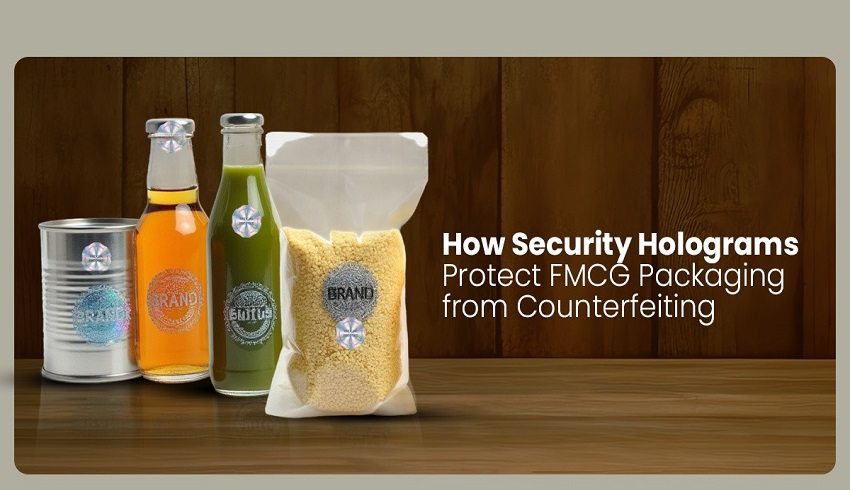
How Security Holograms Shield FMCG Packaging from the Rising Counterfeit Menace
Aug 16, 2025
Why Self-Adhesive Labels Are the Smarter Choice for Modern Packaging
Aug 21, 2025
Revolutionizing Brand Protection: Holographic Security Packaging with Integrated Phygital Solutions
Oct 23, 2025
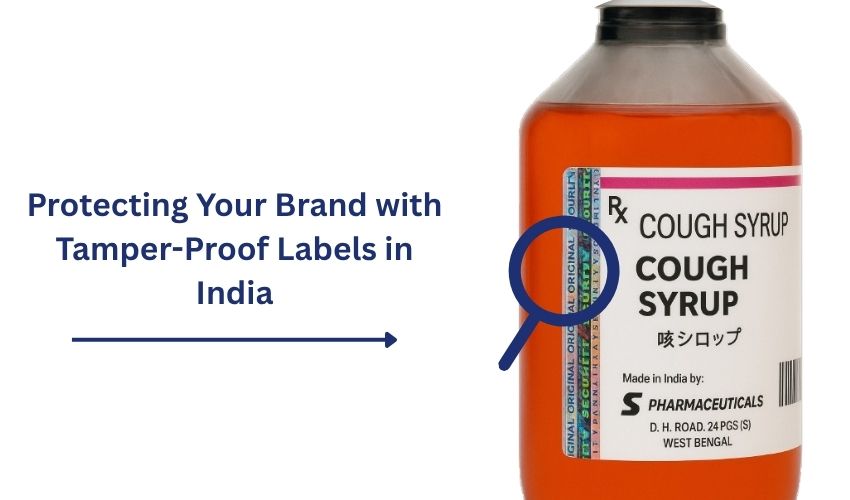
Protecting Your Brand with Tamper-Evident Labels in India
Oct 30, 2025
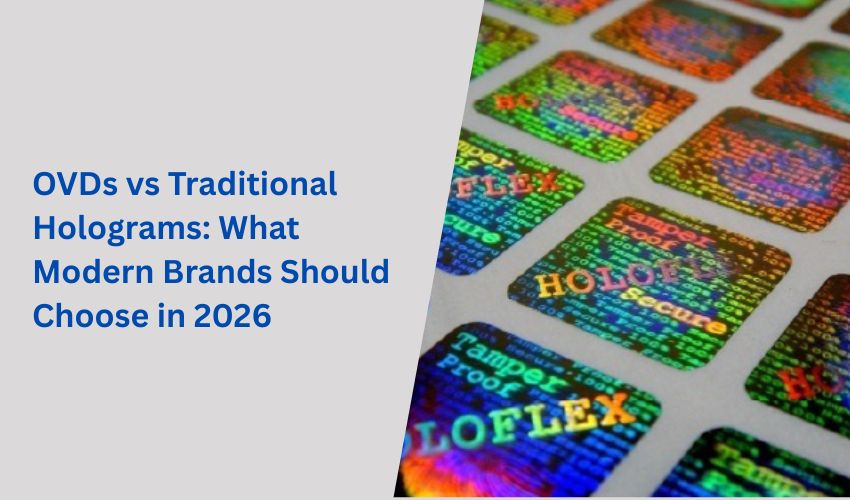
OVDs vs Traditional Holograms: What Modern Brands Should Choose in 2026
Dec 19, 2025
Eco-Friendly Label Materials: How Brands Can Reduce Packaging Waste Without Losing Security
Jan 06, 2026
The Rise of OVD-Led Authentication - Where Design and Advanced Authentication Converge
Feb 12, 2026
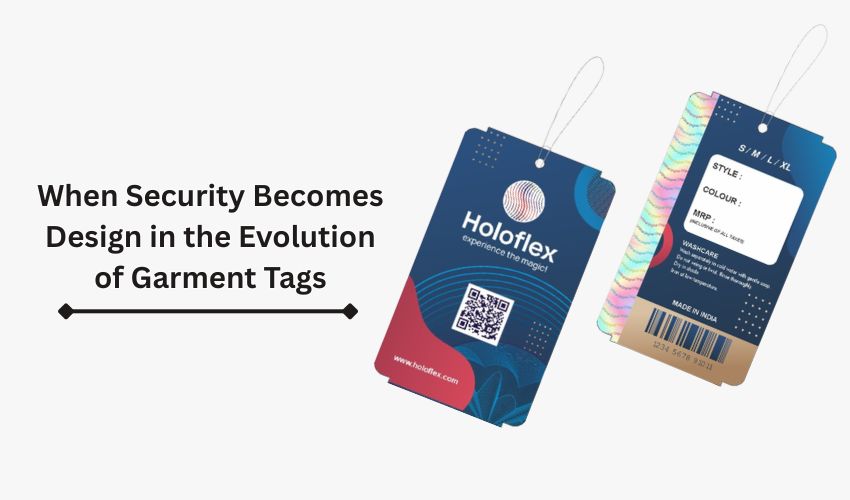
When Security Becomes Design in the Evolution of Garment Tags?
Feb 24, 2026
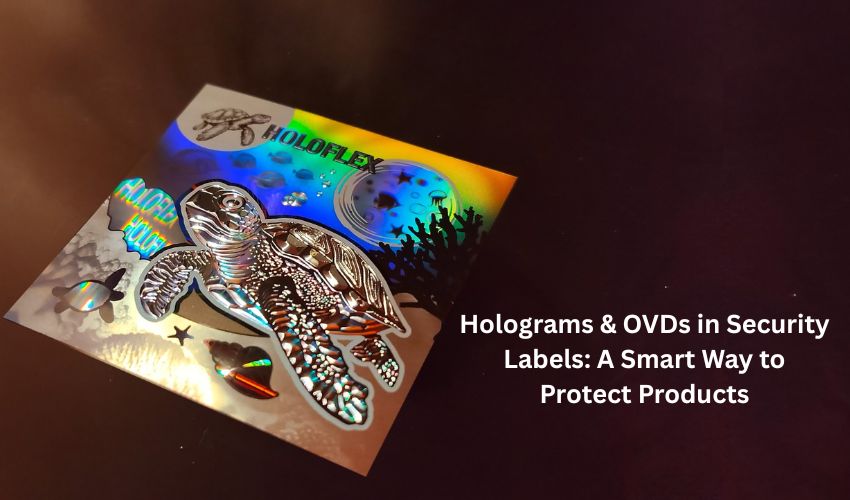
Holograms & OVDs in Security Labels and Stickers: A Smart Way to Protect Products
Mar 17, 2026
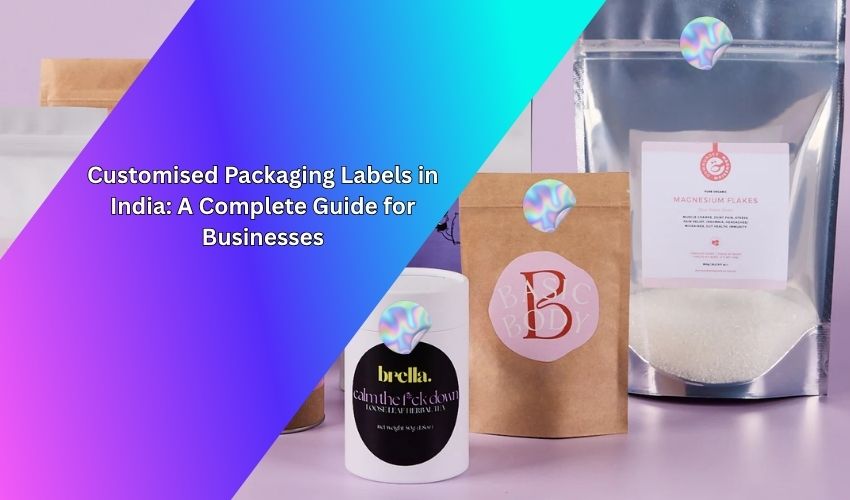
Customised Packaging Labels in India: A Complete Guide for Businesses
Mar 24, 2026
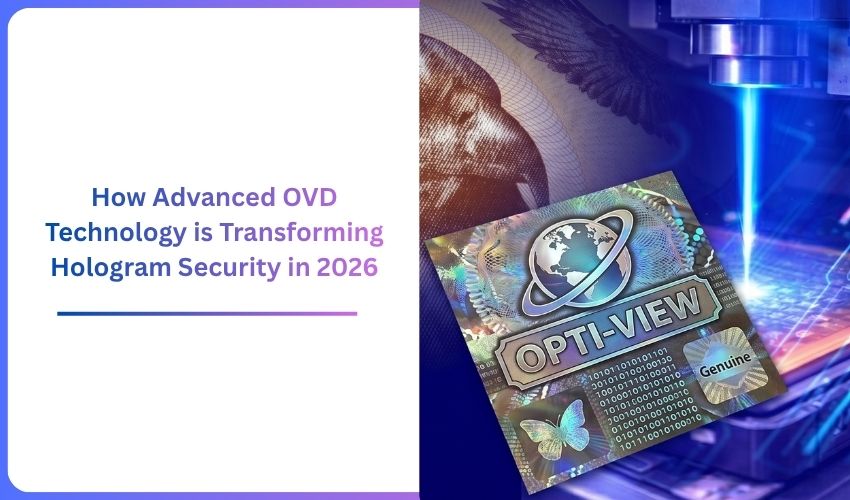
How Advanced OVD Technology is Transforming Hologram Security in 2026?
Apr 28, 2026