Customised Packaging Labels in India: A Complete Guide for Businesses
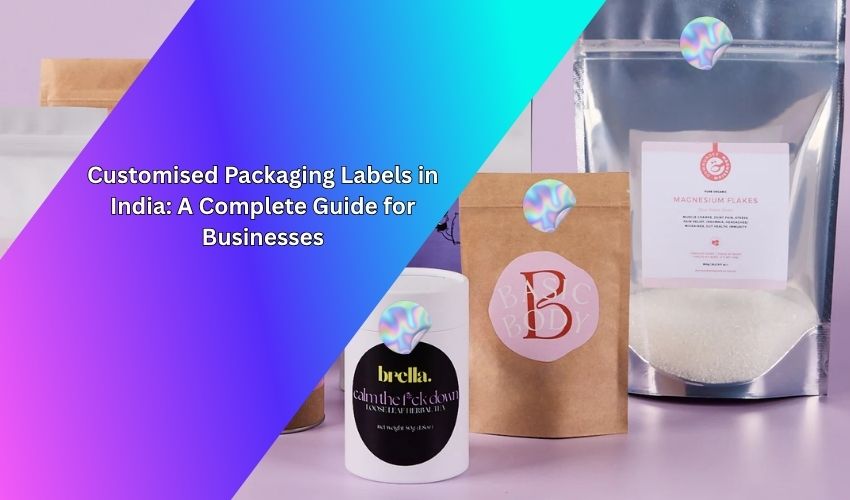
In today’s highly competitive market, packaging has become a critical factor in capturing customer attention and building brand recognition. Customised packaging labels are an important aspect for businesses that want to create brand recognition in the retail or e-commerce industry.
Across Indian industries, including the food, cosmetics, pharmaceutical, FMCG, and other sectors, are using customised packaging labels for their products. This has not only enhanced product presentation for businesses but has also helped them establish brand recognition.
In this comprehensive guide, you will get all the information you need about customised packaging labels for businesses operating in India.
What Are Customised Packaging Labels?
Customised packaging labels are purpose-built labels that incorporate branding, product details, and regulatory information for product packaging. In contrast to regular labels, customised labels are created based on brand-related information, including brand logos, color schemes, and marketing strategies.
Customised labels may include:
● Brand logo and product name
● Product ingredients or specifications
● Manufacturing and expiry dates
● Barcode and QR code
● Regulatory information and safety information
● Special design elements and brand colors
Customised labels are essential for maintaining brand consistency across all touchpoints.
Custom Label Printing in India: What Businesses Should Know
Custom label printing in India allows businesses to create labels based on their product, packaging requirements and brand identity. From food and beverage packaging to cosmetics, pharmaceuticals, FMCG products and consumer goods, businesses can choose different materials, finishes, sizes and printing options according to their requirements.
A professional custom label printing service can help businesses create labels that are not only visually appealing but also durable and suitable for their packaging environment. Depending on the application, labels may include brand information, product details, barcodes, QR codes, variable data, regulatory information and security features.
When choosing a custom label printing company in India, businesses should consider printing quality, material options, finishing capabilities, production capacity, customisation options and the manufacturer's experience with similar products.
Product Label Printing Services in India
Product label printing services in India help brands create labels that combine product information, branding and functional requirements in one packaging solution. The right label depends on the product type, packaging material, storage conditions, expected shelf life and the amount of information that needs to be displayed.
Product labels can be produced in different materials, shapes, sizes and finishes. Businesses may also require features such as waterproof construction, scratch resistance, tamper evidence, QR codes, barcodes, variable data or security elements.
A professional product label printing service should understand both the visual and functional requirements of the product. This helps ensure that the finished label remains readable, attractive and suitable for its intended application.
Product label printing can include:
- Brand and product name
- Product specifications
- Ingredients and usage information
- Barcode and QR code
- Batch and serial numbers
- Manufacturing and expiry information
- Regulatory information
- Promotional elements
- Security and authentication features
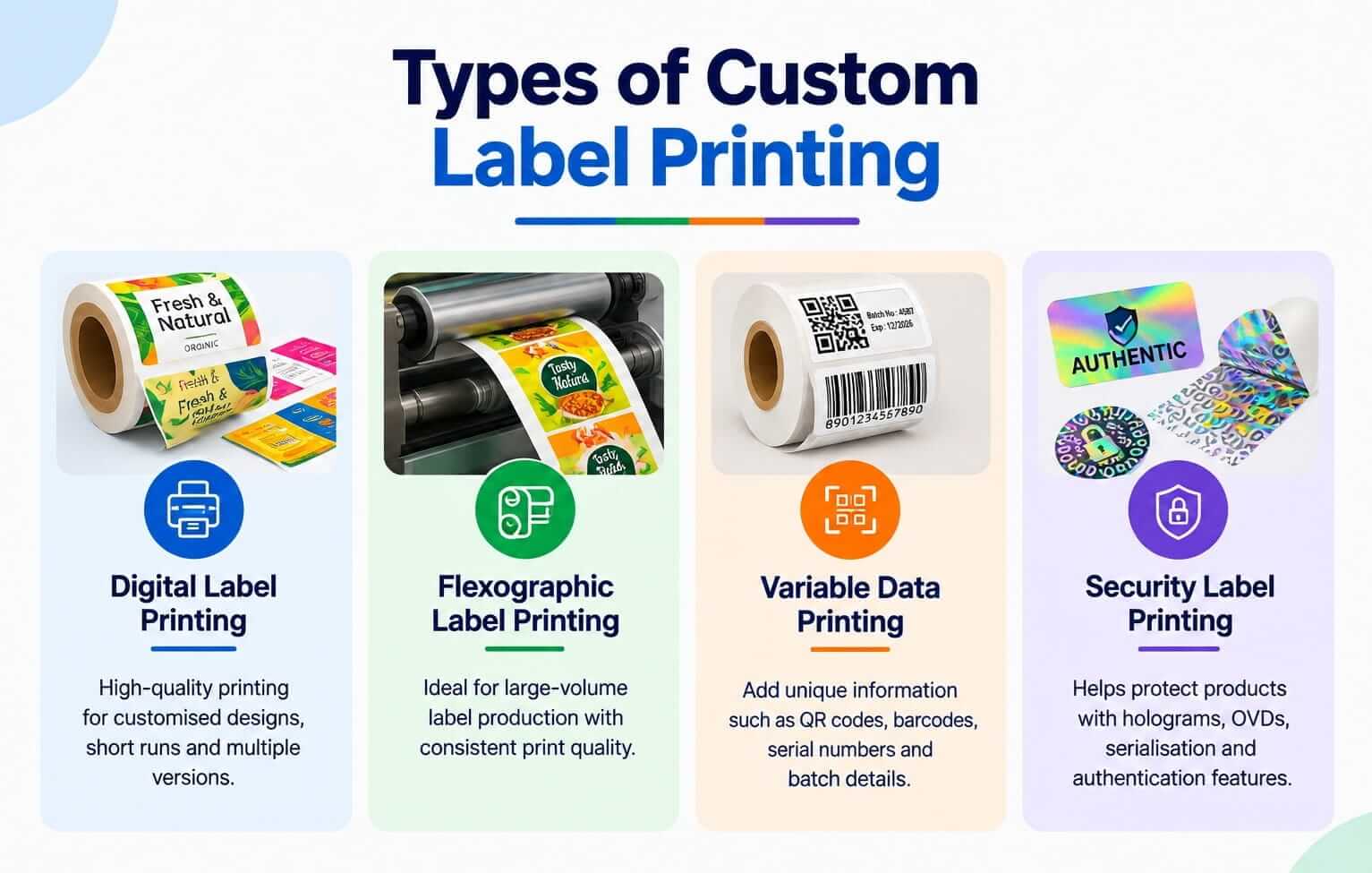
Types of Custom Label Printing
Different Printing Methods. Different Needs. The Right Solution for Your Brand.
Why Are Customised Packaging Labels Important for Businesses?
Customised packaging labels offer multiple benefits for enhancing brand visibility and product appeal. These labels play an essential role for businesses looking to enhance brand recognition and product presentation.
1. Strong Brand Identity
Custom labels enable companies to display their logo, brand colors, and style, enabling customers to recognise the brand on store shelves or on online shopping websites.
2. Professional Presentation of Products
Products bearing attractive and professionally presented custom labels are more likely to attract customers, thereby increasing the likelihood of purchase over competing products.
3. Provision of Crucial Product Information
Labels are used for conveying crucial information such as content, usage, nutritional content, safety, and manufacturing information.
4. Marketing and Promotion
Packaging labels are used as a marketing tool for companies, enabling them to communicate their value proposition.
5. Adherence to Laws and Industry Standards
In India, the packaging of products has to follow various labeling regulations and industry standards. Customised labels are used to ensure that all the required information is displayed on the product packaging.
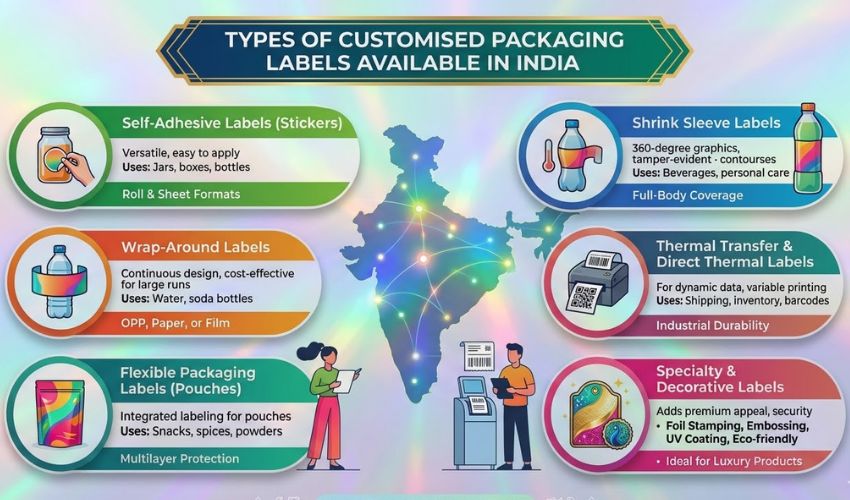
Types of Customised Packaging Labels Available in India
1. Paper Labels
Paper labels are a simple and cost-effective choice for everyday product packaging. They are commonly used for food, beverages, retail products and general consumer goods.
2. PP Labels
PP labels are durable and resistant to moisture, making them suitable for products exposed to humidity or water. They are widely used for FMCG, cosmetics, beverages and personal care products.
3. PE Labels
PE labels are flexible and work well on curved, squeezable or flexible packaging. They are commonly used for cosmetics, personal care and household products.
4. Polyester Labels
Polyester labels offer excellent durability and resistance to moisture, chemicals and abrasion. They are suitable for industrial, automotive, electronics and demanding product applications.
5. Vinyl Labels
Vinyl labels are flexible and resistant to water and regular handling. They are suitable for industrial products, bottles, consumer goods and applications requiring durable labels.
6. Transparent Labels
Transparent labels create a clean look while allowing the packaging design to remain visible. They are commonly used for cosmetics, beverages, premium products and clear containers.
7. Clear Labels
Clear labels provide a minimal and modern appearance without covering much of the packaging surface. They are often used for bottles, jars, cosmetics and premium consumer products.
8. Waterproof Labels
Waterproof labels are designed to remain readable when exposed to moisture or water. They are suitable for beverages, food, cosmetics, personal care and household products.
9. Holographic Labels
Holographic labels add an attractive visual effect while helping products stand out on the shelf. They can also support authentication and are used for premium and branded products.
10. Security Labels
Security labels help businesses protect products against counterfeiting and unauthorised duplication. They are commonly used for pharmaceuticals, electronics, FMCG and other valuable products.
11. Tamper-Evident Labels
Tamper-evident labels show visible signs if someone attempts to open or interfere with a package. They are widely used for pharmaceuticals, food, cosmetics and other packaged products.
12. QR Code Labels
QR code labels connect physical products with digital information such as product details, websites or authentication pages. They are useful for FMCG, retail, pharmaceuticals and consumer products.
13. Barcode Labels
Barcode labels help businesses identify and track products during sales, inventory and supply-chain operations. They are commonly used in retail, manufacturing, logistics and warehousing.
14. Eco-Friendly Labels
Eco-friendly labels use materials designed to support more sustainable packaging choices. They are increasingly used by food, cosmetic, retail and consumer brands with sustainability goals.
15. Smart Labels
Smart labels combine traditional labelling with technologies such as QR codes, NFC or RFID. They can support product tracking, traceability, authentication and customer engagement.
Key Materials Used in Customised Packaging Labels
The choice of appropriate label materials is crucial for ensuring the quality and durability of the label.
Paper
This material is relatively cheap and widely used for packaging.
Polyester
This material is highly durable and resistant to heat, chemicals, and moisture.
Vinyl
This material is relatively flexible and waterproof, used for packaging cosmetics and outdoor applications.
Polypropylene
This material is used for labels that require long-lasting adhesion and durability.
Eco-Friendly Materials
Labels made of biodegradable materials are gaining popularity as companies are looking for green packaging options.
How Does Custom Label Printing Work?
Step 1: Understand the product
The first step is understanding the product, packaging surface, storage environment and labelling requirements.
Step 2: Select the material
The label material is selected based on factors such as moisture, temperature, durability, surface type and expected product life.
Step 3: Prepare the artwork
The artwork should include the brand identity, product information, required regulatory details, barcode or QR code and other relevant elements.
Step 4: Select the printing method
The printing method depends on factors such as quantity, design complexity, colour requirements, variable data and production timelines.
Step 5: Add finishing and special features
Depending on the application, businesses can choose finishes and features such as lamination, special effects, holographic elements, tamper evidence or authentication features.
Step 6: Quality checking
The finished labels should be checked for print quality, colour consistency, readability, adhesion and overall appearance before being supplied.
Which Label Material Should You Choose?
| Label Material | Best For | Key Benefit |
|---|---|---|
| Paper | General packaging | Cost-effective and versatile |
| PP | FMCG and consumer products | Durable and moisture-resistant |
| PE | Flexible packaging | Flexible and durable |
| Polyester | Industrial products | High durability |
| Vinyl | Outdoor/cosmetic applications | Water and scratch resistance |
| Transparent | Premium packaging | Clear "no-label" appearance |
| Holographic | Brand protection | Visual and security appeal |
Custom Packaging and Product Label Solutions for Different Industries
Custom packaging and product labels are used across a wide range of industries, with each sector having different requirements for branding, product information, durability and protection.
- Food & Beverage
- FMCG
- Pharmaceuticals
- Cosmetics & Personal Care
- Electronics
- Automotive
- Retail
- Chemicals
- Household Products
Latest Trends in Customised Packaging Labels in India
Packaging technology and design trends are in a state of evolution. Some of the latest trends in label design in the field of customised label printing are as follows:
Smart Labels and QR Codes
QR codes are being used by various companies on their labels for promoting their products and product authentication purposes.
Sustainable Packaging Labels
Eco-friendly consumers are looking for products with sustainable packaging labels.
Minimalist Label Designs
Simple label designs are the latest trend, especially in the premium segment.
Tamper-Proof Labels
Security labels are used for preventing tampering of products.
Digital Label Printing
Digital label printing has opened doors for businesses to get their customised labels printed.
How Much Does Custom Label Printing Cost in India?
The cost of custom label printing in India depends on several factors, including label material, size, shape, printing method, number of colours, order quantity, finishing requirements, adhesive type and additional security features.
For example, a simple paper label produced in a large quantity may have different pricing from a premium transparent, holographic or security label requiring specialised materials and finishing.
Businesses should therefore compare quotations based on the complete specification rather than looking only at the per-label price.
How to Choose the Right Customised Packaging Labels for Your Business
To choose the right type of customised packaging labels for your business, several things need to be taken into account.
Understand Your Product Requirements
The type of label that is needed for the product depends on the storage conditions, exposure to moisture, etc.
Choose the Right Material
The label material should be suitable for the environment of the product packaging.
Focus on Label Design
An effective label design should clearly reflect and reinforce your brand identity.
Ensure Compliance with Regulations
The label should contain all the legal information as per Indian regulations.
Work with Experienced Label Manufacturers
A reliable label manufacturer is required for delivering quality printing, customisation, and timely delivery.
Benefits of Customised Packaging Labels for Small Businesses
Customised packaging labels are not just meant for large corporations, as they may prove to be of great help for startups as well.
● Enables professional packaging presentation
● Strengthens brand awareness
● Enhances product appeal
● Improves product communication
● Helps in marketing the brand
For startups, customised packaging labels can be a powerful tool to compete with established brands as they may compete with the large corporations in the market.
The Future of Customised Packaging Labels in India
The future of the packaging industry in India is looking very promising as businesses are focusing on creating a brand presence. Technologies like smart labels, augmented reality packaging, etc., may prove to be of great help in the future of customised packaging labels.
Businesses that invest in unique and innovative label design will be better positioned to build a strong brand presence.
Conclusion
Customised packaging labels have become an essential feature of the packaging of products in India. These custom-made packaging labels help businesses create their brand presence, create awareness about the products, etc.
Whether you are an emerging business or a well-established manufacturing company, custom-made packaging labels are sure to help create the visibility of your products.
With the right combination of materials, design, and printing, businesses may create packaging labels that not only improve the packaging of the products but also help create their brand presence in the market.
FAQ:
What are customised packaging labels?
Customised packaging labels are special labels that display the company’s brand and product information.
Why are customised packaging labels considered important for businesses?
Customised packaging labels are considered important for businesses as they can enhance brand identity and visibility, provide information about the product, and make the packaging look more attractive.
What are the materials used in customised packaging labels?
The materials used are paper, vinyl, polyester, polypropylene, and eco-friendly biodegradable materials.
Which businesses or industries are using customised packaging labels in India?
Food and beverages, cosmetics, pharmaceuticals, electronics, e-commerce businesses are using customised packaging labels.
Can customised packaging labels be used with security features?
Yes, customised packaging labels can be used with security features such as OVD and hologram stickers / labels, QR code stickers, serial numbers, etc.
Why Do Businesses Choose Holoflex for Customised Label Solutions?
Holoflex works with businesses looking for customised labelling and authentication solutions for different product and packaging requirements. Its capabilities extend beyond conventional product labels to include security-oriented solutions such as holographic features, OVDs, authentication elements and smart labelling applications.
Depending on the product and business requirements, brands can explore customised label solutions designed for product identification, brand communication, traceability and protection against counterfeiting.
The right label solution depends on the product, packaging material, industry requirements and level of protection required. Businesses can discuss their specific requirements with the Holoflex team to identify a suitable solution.
Latest Blogs
Anti-Counterfeit Labels for Packaging: How Indian FMCG Brands Prevent Product Duplication in 2026
Sep 28, 2026
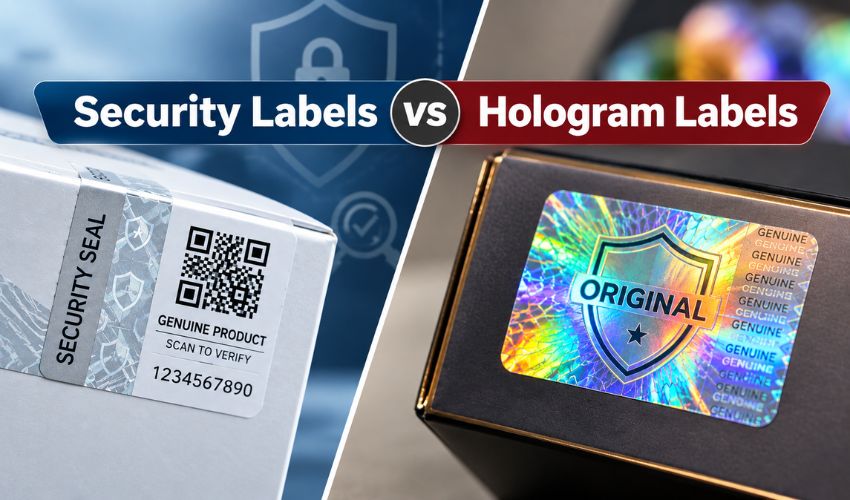
Security Labels vs Hologram Labels: Which Anti-Counterfeit Solution Is Best for Indian Manufacturers?
Sep 18, 2026
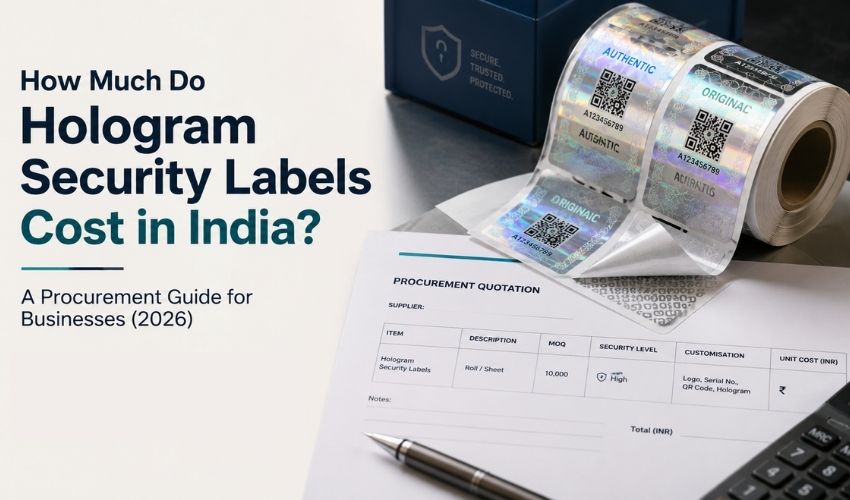
How Much Do Hologram Security Labels Cost in India? A Procurement Guide for Businesses (2026)
Aug 21, 2026
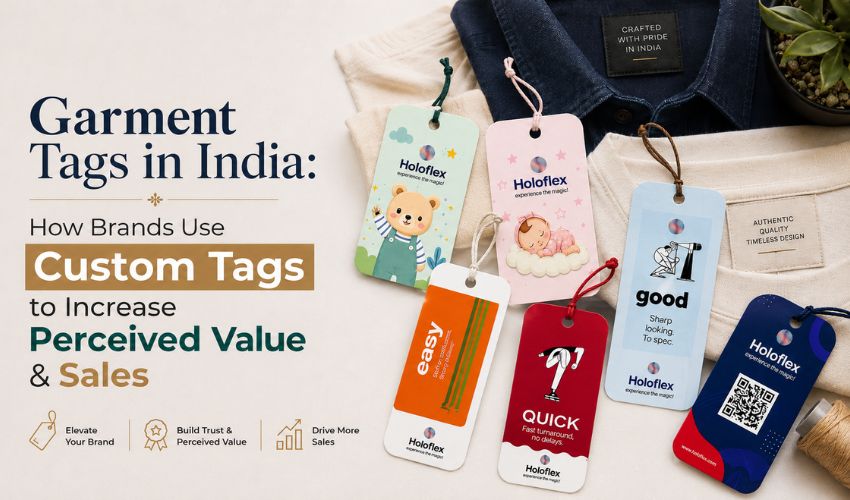
Garment Tags in India: How Brands Use Custom Tags to Increase Perceived Value & Sales
Jul 27, 2026
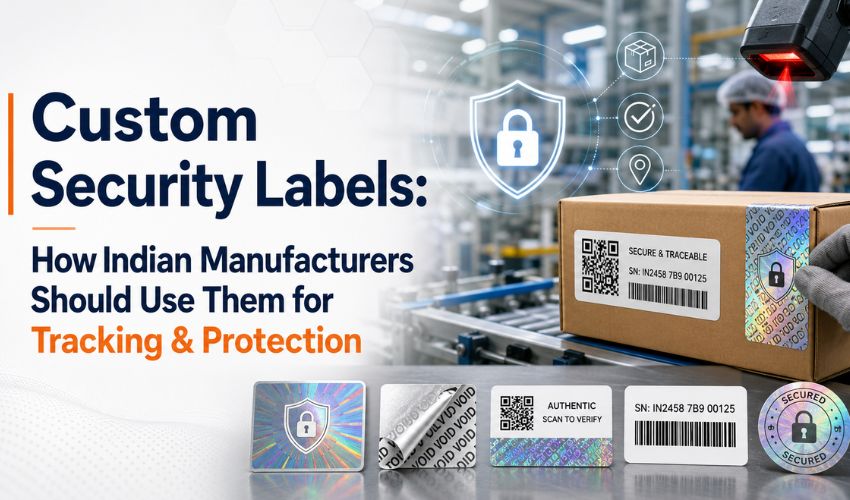
Custom Security Labels: How Indian Manufacturers Should Use Them for Tracking & Protection
Jul 16, 2026
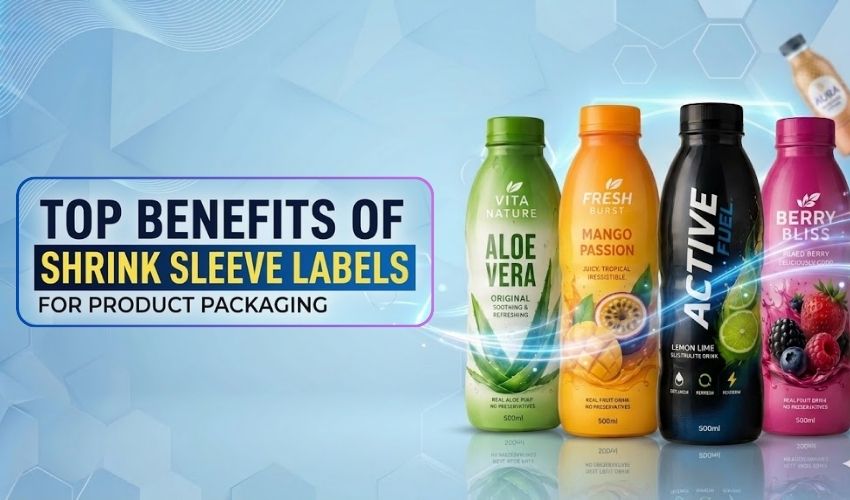
Top Benefits of Shrink Sleeve Labels for Product Packaging
Jun 29, 2026
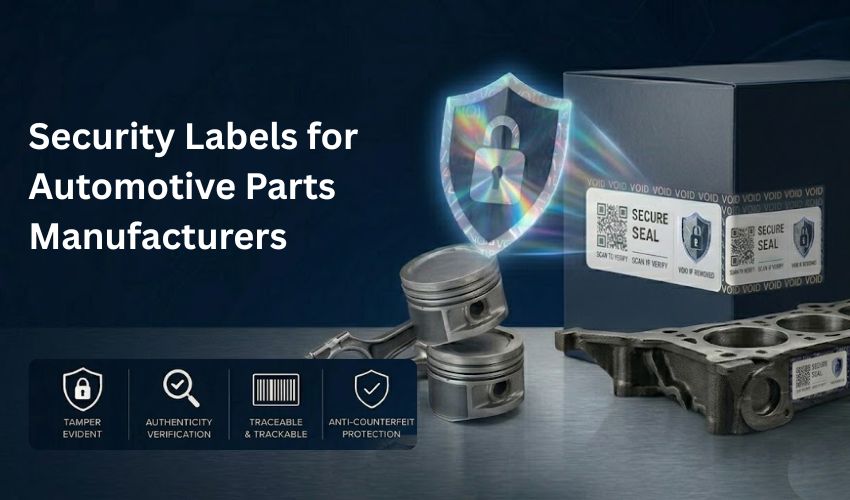
Security Labels for Automotive Parts Manufacturers
Jun 23, 2026

The Evolution of Holographic Technology: From Visual Authentication to Advanced Optical Security
Jun 10, 2026
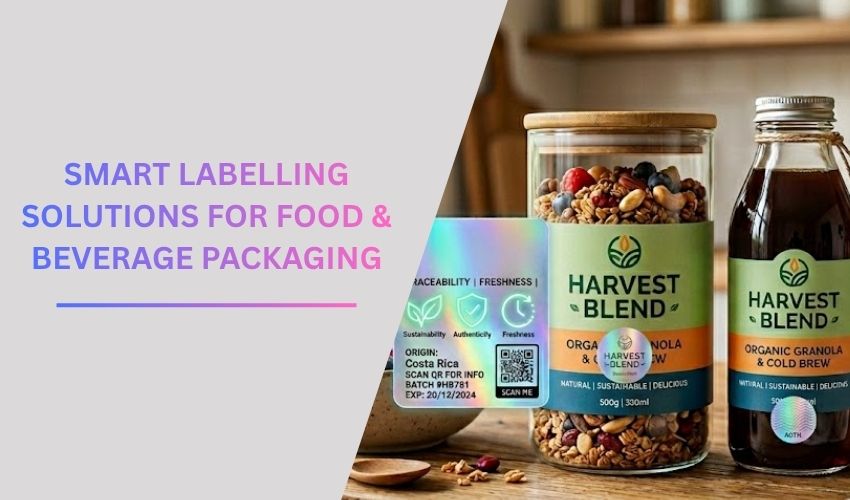
Smart Labelling Solutions For Food & Beverage Packaging
May 25, 2026
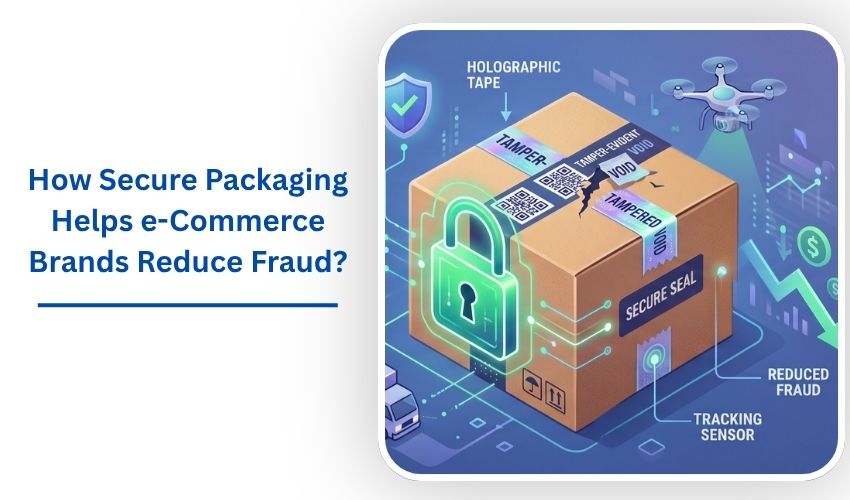
How Secure Packaging Helps E-Commerce Brands Reduce Fraud?
May 21, 2026

How Security Holograms Prevent Counterfeit Pharmaceuticals in India
Jul 16, 2025
Top 5 Custom Hologram Applications for FMCG Packaging
Jul 24, 2025
How Security Holograms Shield FMCG Packaging from the Rising Counterfeit Menace
Aug 16, 2025
Why Self-Adhesive Labels Are the Smarter Choice for Modern Packaging
Aug 21, 2025
Revolutionizing Brand Protection: Holographic Security Packaging with Integrated Phygital Solutions
Oct 23, 2025
Protecting Your Brand with Tamper-Evident Labels in India
Oct 30, 2025
OVDs vs Traditional Holograms: What Modern Brands Should Choose in 2026
Dec 19, 2025
Eco-Friendly Label Materials: How Brands Can Reduce Packaging Waste Without Losing Security
Jan 06, 2026
The Rise of OVD-Led Authentication - Where Design and Advanced Authentication Converge
Feb 12, 2026
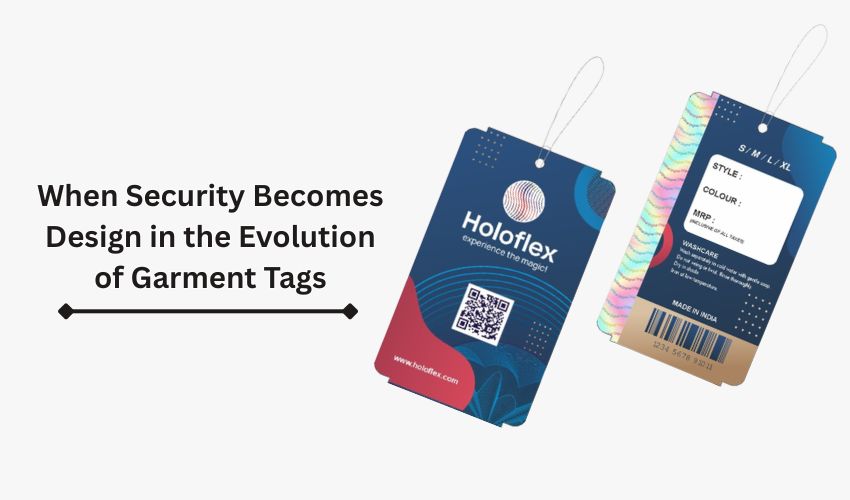
When Security Becomes Design in the Evolution of Garment Tags?
Feb 24, 2026
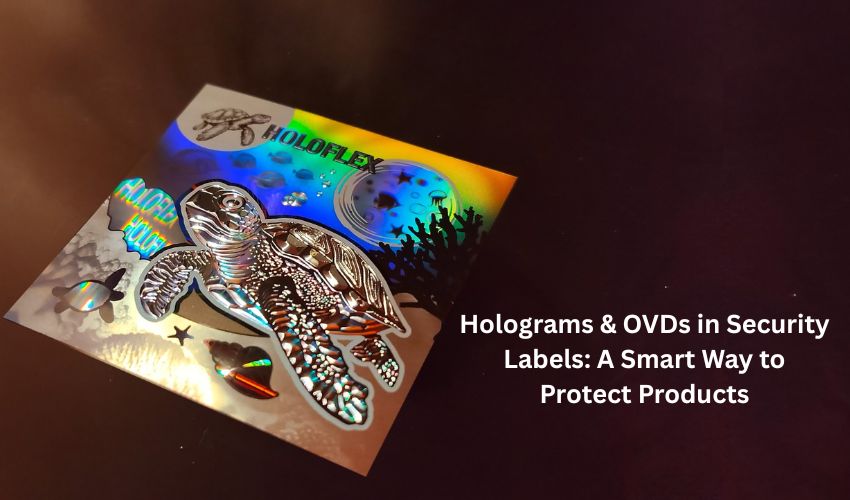
Holograms & OVDs in Security Labels and Stickers: A Smart Way to Protect Products
Mar 17, 2026
Customised Packaging Labels in India: A Complete Guide for Businesses
Mar 24, 2026
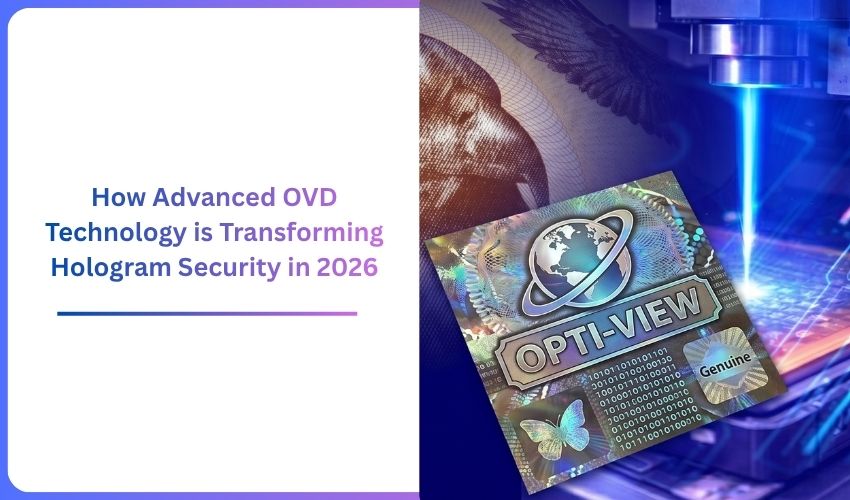
How Advanced OVD Technology is Transforming Hologram Security in 2026?
Apr 28, 2026