Anti-Counterfeit Labels for Seeds & Agricultural Products: A Practical Guide
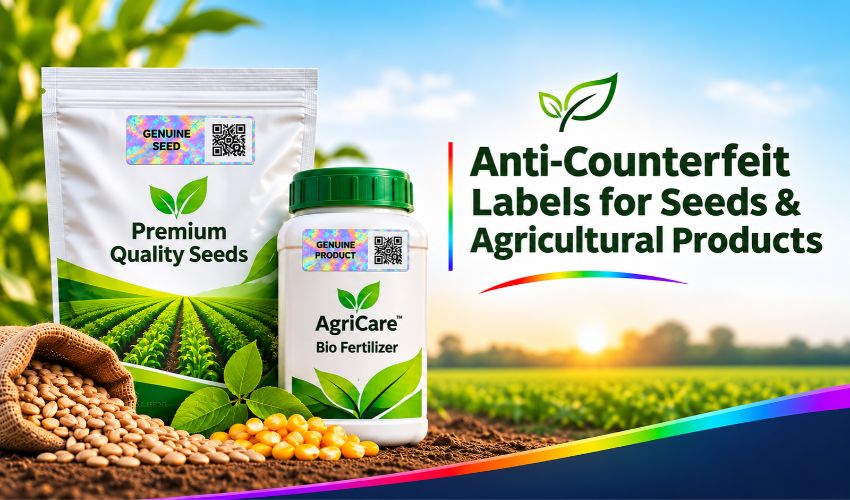
The agricultural industry plays an important role in food production and economic growth. However, counterfeit seeds, fertilisers, pesticides, and other agricultural products have become a serious concern for farmers, manufacturers, and distributors. Fake agricultural products can affect crop yields, cause financial losses, damage brand reputation, and reduce farmers' trust in genuine products.
To address these challenges, agricultural manufacturers are increasingly adopting anti-counterfeit labels for seeds and advanced packaging security solutions. These labels help make unauthorised packaging duplication more difficult and, when supported by suitable verification methods, give farmers a practical way to check product authenticity before use.
From holographic security labels and tamper-evident features to unique serialisation and QR-based digital verification, modern anti-counterfeit technologies can offer multiple layers of protection for agricultural products.
What Are Anti-Counterfeit Labels for Seeds?
Anti-counterfeit labels for seeds are specially designed security labels applied to seed packets, pouches, bags, and containers to help distinguish genuine products from counterfeit ones.
Unlike ordinary packaging stickers, these labels can incorporate specialised features designed to make unauthorised reproduction more difficult. They may include holographic elements, tamper-evident materials, unique serial numbers, QR codes, and other authentication technologies.
For seed manufacturers, these labels provide an additional layer of brand protection. For farmers, they provide visible identification features and, where digital verification is available, an additional way to check product authenticity.
Seed authentication labels are particularly useful for high-value hybrid seeds, vegetable seeds, commercial crop seeds, and other agricultural products where quality and authenticity are essential.
Why Is Counterfeit Seed Packaging a Serious Problem?
Counterfeit agricultural products can create problems throughout the agricultural supply chain. Farmers often purchase seeds based on the manufacturer's reputation, expected germination performance, and product quality. When counterfeit products enter the market, these expectations may not be met.
Fake seed packets may contain poor-quality seeds, incorrect varieties, or seeds that do not meet the standards claimed on the packaging.
Some common consequences include:
- Reduced crop germination and inconsistent plant growth.
- Financial losses caused by poor agricultural productivity.
- Damage to the reputation of genuine seed manufacturers.
- Loss of customer confidence in established agricultural brands.
- Difficulty identifying unauthorised products within distribution networks.
By introducing anti-counterfeit seed packaging alongside suitable verification systems, manufacturers can make product duplication more difficult and support authentication across the supply chain.
How Do Hologram Labels Protect Agricultural Products?
Hologram labels can serve as visible security features for seed packaging by incorporating distinctive optical effects and customised designs that are difficult to reproduce using conventional printing methods.
These labels can include customised holographic patterns, brand logos, microtext, and other security elements that help differentiate authentic packaging from unauthorised copies.
When applied to seed packets, hologram labels provide distinctive visual features that farmers and retailers can examine. Familiarity with the genuine design and suitable verification guidance can help them recognise suspicious packaging.
However, a hologram alone should not be considered absolute proof of authenticity. Combining holographic technology with digital verification and tamper-evident features provides stronger protection.
Manufacturers can also customise holographic labels according to their brand identity, packaging materials, and distribution requirements.
For applications requiring advanced optical effects and enhanced visual security, Holoflex's ENGRAVION™ OVD origination technology offers opportunities to develop distinctive holographic designs that combine aesthetics with product authentication.
Key Security Features Used in Seed Packaging
Modern security labels for agricultural products can combine multiple technologies to improve packaging protection.
1. Holographic security labels
Customised holograms feature optical patterns, logos, and visual effects that make unauthorised reproduction more challenging.
2. Tamper-evident labels
Tamper-evident labels are designed to reveal visible signs of attempted removal or interference, depending on their construction and application. Depending on the construction, tamper-evident labels may reveal interference through visible damage, adhesive transfer or other designed indicators.
3. QR code authentication
QR-enabled labels allow farmers, retailers and distributors to scan a code using a smartphone and access product information or a manufacturer's digital authentication system .
4. Unique serialisation
Serialisation assigns a unique identification number to individual product packs. Manufacturers can use these numbers to manage product records and support authenticity checks.
5. Microtext and specialised printing
Very small printed text, customised patterns, and other specialised features add complexity to security labels and help trained personnel inspect packaging.
The right combination depends on the product's value, packaging material, distribution network, and counterfeiting risks.
How Do QR Codes and Serialisation Work for Seed Authentication?
QR codes and serialisation are becoming important tools for agricultural product authentication.
Manufacturers can assign a unique QR code to each seed packet and link it to a suitable product database or digital authentication platform. When a farmer scans the code, the authentication system may display information such as the product name, manufacturer, batch details, and verification status.
Serialisation strengthens this process by assigning a unique identity to each package rather than using the same code across an entire product range.
For example, If the platform records scan activity, repeated scans of the same unique code from unrelated locations may be flagged for further investigation.
When supported by recorded scanning events and suitable data-management systems, this approach can help manufacturers investigate suspicious products and improve product traceability and distribution visibility.
However, QR codes must connect to a properly secured verification system. A basic QR code linking to a public website does not independently prevent counterfeiting.
How Can Farmers Identify Genuine Seed Packets?
Farmers can take several practical steps to reduce the risk of purchasing counterfeit seeds.
First, they should purchase agricultural products from authorised dealers or trusted distributors. They should also inspect the packaging for clear manufacturer details, proper labelling, batch information, and visible security features.
If the packet includes a holographic label, farmers should examine its design and look for signs of damage or tampering.
Where QR-based verification is available, scanning the code through the manufacturer's official authentication service can provide an additional check.
Farmers should also retain purchase receipts and report suspicious products to the manufacturer or relevant authorities.
These steps cannot guarantee authenticity in every situation, but they can help farmers make more informed purchasing decisions.
Benefits of Anti-Counterfeit Security Labels for Agricultural Brands
Investing in security labels for seed packets offers several practical benefits to agricultural manufacturers.
Brand protection: Security labels make unauthorised packaging duplication more difficult and help distinguish genuine products.
Farmer confidence: Clear authentication features give customers greater confidence when purchasing branded agricultural products.
Supply chain visibility: Serialised identification, recorded scanning events and digital verification can help manufacturers monitor product movement and investigate suspicious distribution activity.
Tamper detection: Tamper-evident packaging helps reveal potential interference before products reach customers.
Product differentiation: Customised holographic labels provide a recognizable security feature that supports brand identity.
Together, these benefits help manufacturers build a more secure and transparent agricultural distribution system.
What Is the Best Security Label for Seed Packaging?
There is no single security label suitable for every agricultural product.
For basic packaging protection, customised holographic labels may provide a practical starting point. For products requiring evidence of package interference, tamper-evident labels are an important option.
For high-value hybrid seeds and products distributed across large geographical markets, combining holographic security, serialisation and QR-based verification can provide a more layered approach to product authentication.
Manufacturers should also consider packaging conditions. Seed packets may experience humidity, dust, friction, transportation stress, and extended storage periods. Security labels must therefore be compatible with the packaging substrate and expected environmental conditions.
Working with an experienced security label manufacturer can help agricultural brands select suitable materials, adhesive properties, and authentication technologies.
How Holoflex Supports Agricultural Product Security
For agricultural manufacturers looking to strengthen packaging protection, Holoflex offers customised holographic and security labelling solutions, combining specialised printing and authentication features to support agricultural brands' packaging and brand protection requirements.
Customised holographic labels can incorporate distinctive optical effects and security features suited to different agricultural packaging formats.
By selecting suitable holographic, tamper-evident and authentication solutions, agricultural businesses can strengthen packaging security, support product verification and build customer confidence.
Connect with Holoflex to explore customised holographic and security labelling solutions for your agricultural packaging requirements.
Frequently Asked Questions (FAQs)
1. What are anti-counterfeit labels for seeds?
Anti-counterfeit labels for seeds are specialized security labels designed to help protect seed packaging from unauthorized duplication. They may include holograms, tamper-evident features, QR codes, and unique serial numbers to support product authentication.
2. How can farmers check whether a seed packet is genuine?
Farmers should purchase seeds from authorized sellers, inspect packaging details, check holographic or tamper-evident labels, and use the manufacturer's official QR verification system when available. Suspicious products should be reported to the manufacturer.
3. Are hologram labels effective against counterfeit agricultural products?
Hologram labels make packaging duplication more difficult by incorporating specialized optical security features. Their effectiveness improves when combined with tamper-evident materials, unique serialization, and secure digital authentication.
4. How can QR codes support seed product authentication?
Unique QR codes connected to secure authentication systems can help customers check product information and allow manufacturers to identify suspicious scanning patterns when scan activity is monitored. However, QR codes alone cannot guarantee that a product is genuine.
5. Which security label is best for agricultural seed packaging?
The best option depends on product value, packaging type, distribution requirements and security risks. A combination of customised holographic labels, tamper-evident features and QR-based serialisation may be considered where stronger product authentication is required.
Conclusion
Counterfeit seeds and agricultural products pose serious challenges to farmers, manufacturers, and the wider agricultural industry. Protecting genuine products requires more than attractive packaging; it requires reliable security features and effective authentication processes.
Anti-counterfeit labels for seeds help manufacturers strengthen packaging security, support product verification, and build trust among farmers and distributors.
By combining holographic security labels, tamper-evident features, QR-based verification and serialisation, agricultural brands can develop a stronger, layered approach to combating counterfeit products.
For seed manufacturers seeking dependable packaging security, choosing the right anti-counterfeit labeling solution is an important step toward protecting product integrity and long-term brand reputation.
Latest Blogs
Anti-Counterfeit Labels for Seeds & Agricultural Products: A Practical Guide
Nov 18, 2026
How Security Labels Help Consumer Electronics Brands Combat Counterfeit Products
Nov 12, 2026
Anti-Counterfeit Labeling for Cosmetics: Hologram Labels, QR Authentication & Security Features
Oct 30, 2026
How QR Code Authentication and Hologram Labels Work Together to Combat Counterfeiting?
Oct 17, 2026
Anti-Counterfeit Labels for Packaging: How Indian FMCG Brands Prevent Product Duplication in 2026
Sep 28, 2026
Security Labels vs Hologram Labels: Which Anti-Counterfeit Solution Is Best for Indian Manufacturers?
Sep 18, 2026
How Much Do Hologram Security Labels Cost in India? A Procurement Guide for Businesses (2026)
Aug 21, 2026
Garment Tags in India: How Brands Use Custom Tags to Increase Perceived Value & Sales
Jul 27, 2026
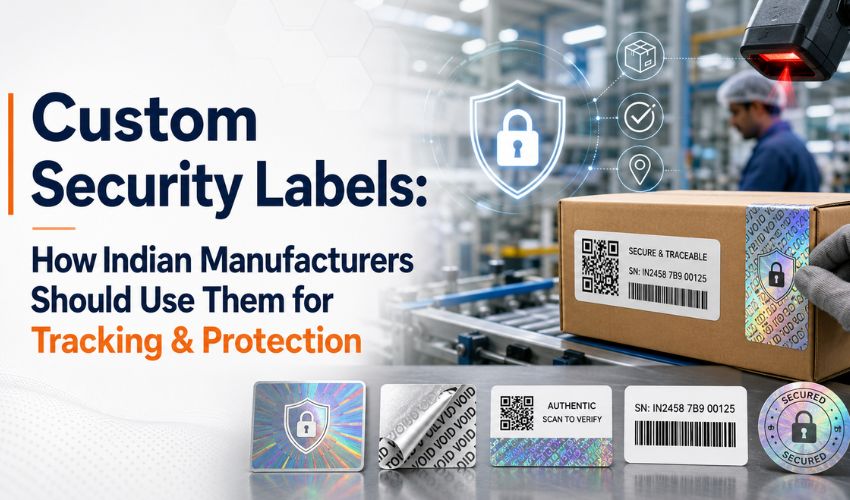
Custom Security Labels: How Indian Manufacturers Should Use Them for Tracking & Protection
Jul 16, 2026
Top Benefits of Shrink Sleeve Labels for Product Packaging
Jun 29, 2026

Security Labels for Automotive Parts Manufacturers
Jun 23, 2026

The Evolution of Holographic Technology: From Visual Authentication to Advanced Optical Security
Jun 10, 2026
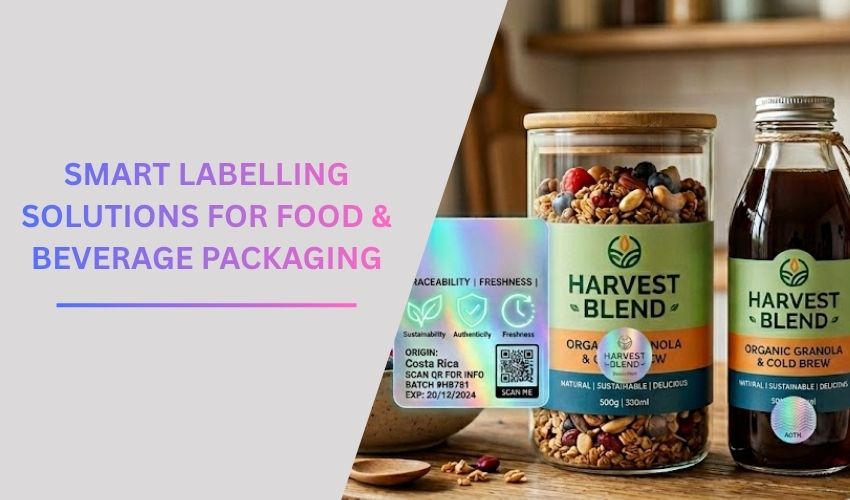
Smart Labelling Solutions For Food & Beverage Packaging
May 25, 2026
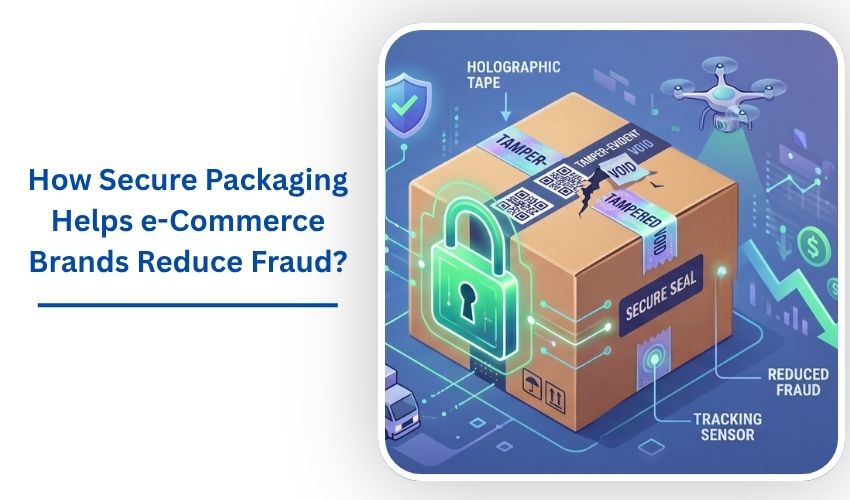
How Secure Packaging Helps E-Commerce Brands Reduce Fraud?
May 21, 2026

How Security Holograms Prevent Counterfeit Pharmaceuticals in India
Jul 16, 2025

Top 5 Custom Hologram Applications for FMCG Packaging
Jul 24, 2025

How Security Holograms Shield FMCG Packaging from the Rising Counterfeit Menace
Aug 16, 2025

Why Self-Adhesive Labels Are the Smarter Choice for Modern Packaging
Aug 21, 2025

Revolutionizing Brand Protection: Holographic Security Packaging with Integrated Phygital Solutions
Oct 23, 2025
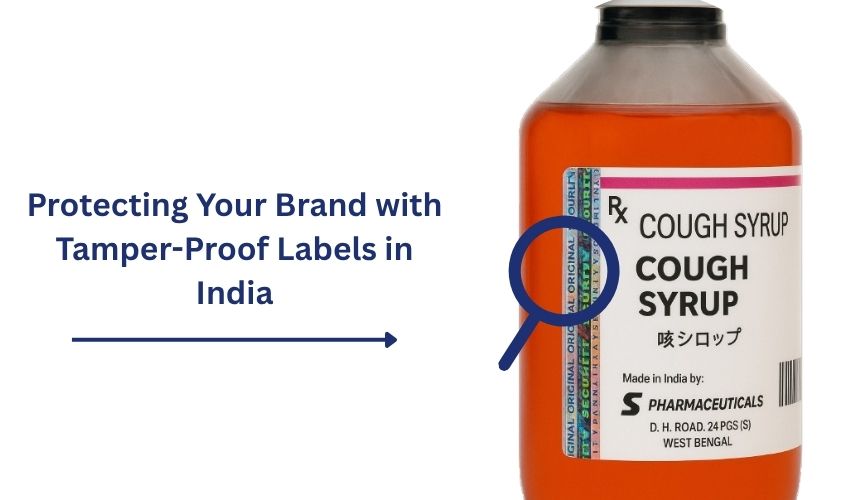
Protecting Your Brand with Tamper-Evident Labels in India
Oct 30, 2025

OVDs vs Traditional Holograms: What Modern Brands Should Choose in 2026
Dec 19, 2025
Eco-Friendly Label Materials: How Brands Can Reduce Packaging Waste Without Losing Security
Jan 06, 2026

The Rise of OVD-Led Authentication - Where Design and Advanced Authentication Converge
Feb 12, 2026
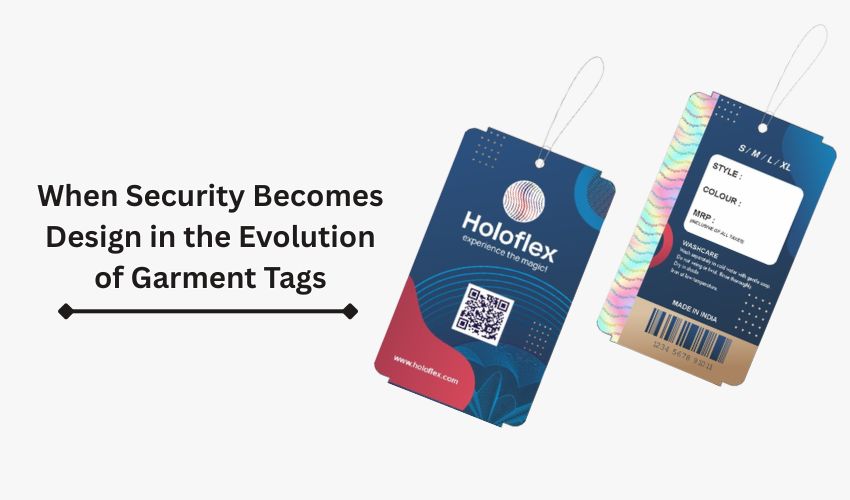
When Security Becomes Design in the Evolution of Garment Tags?
Feb 24, 2026
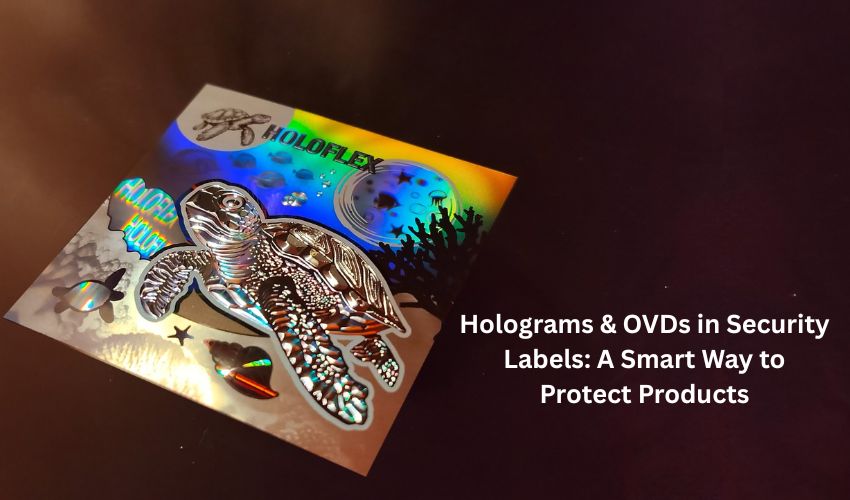
Holograms & OVDs in Security Labels and Stickers: A Smart Way to Protect Products
Mar 17, 2026

Customised Packaging Labels in India: A Complete Guide for Businesses
Mar 24, 2026

How Advanced OVD Technology is Transforming Hologram Security in 2026?
Apr 28, 2026